Burnaway Magazine
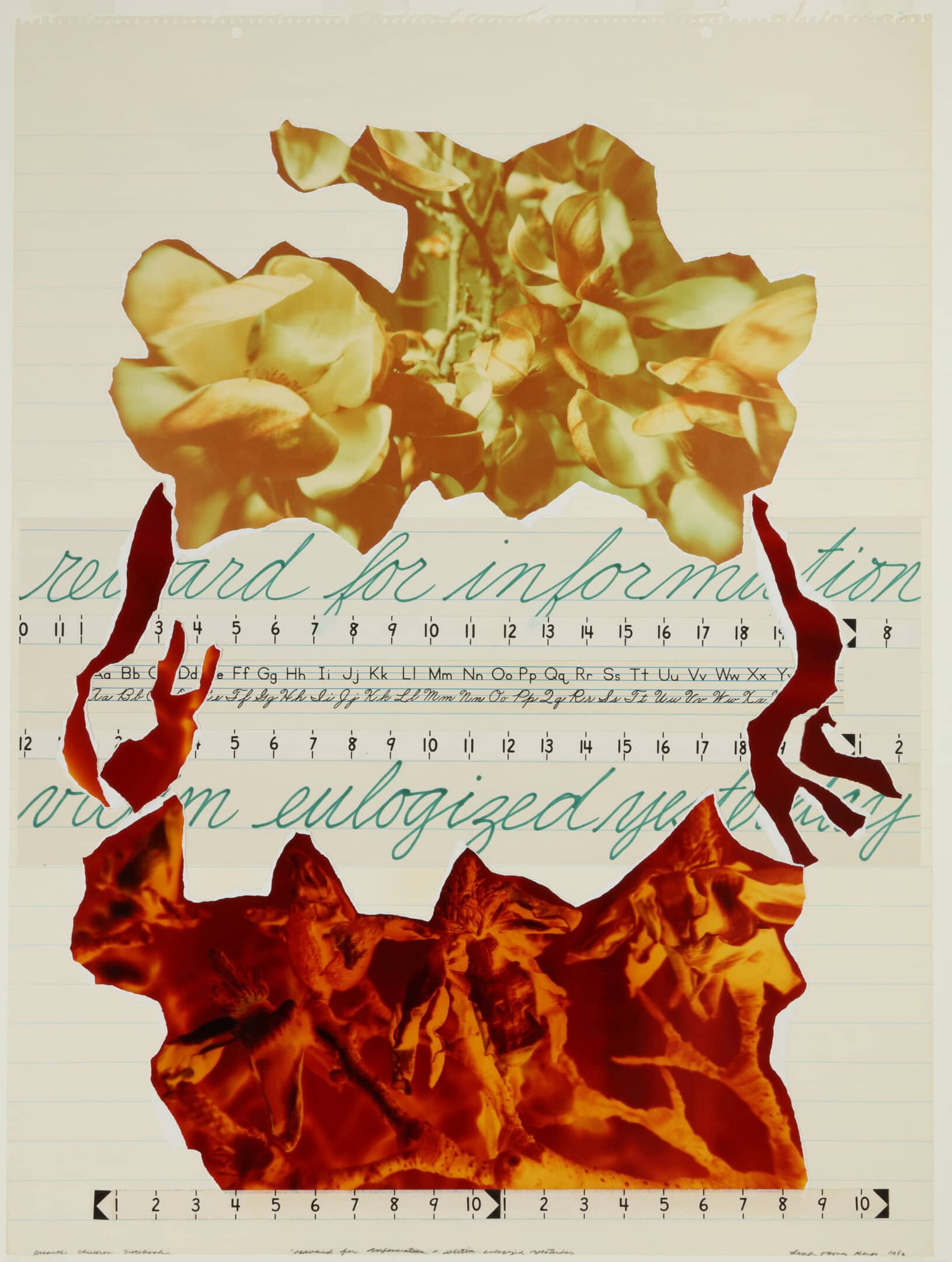
Leah Solomon outlines artist Leah Jaynes Karp's 1982 mixed media series, made in response to the Atlanta Child Murders of 1979-1981, for Burnaway's STORM SIGNAL theme.
Read More
Leah Solomon outlines artist Leah Jaynes Karp's 1982 mixed media series, made in response to the Atlanta Child Murders of 1979-1981, for Burnaway's STORM SIGNAL theme.
Read More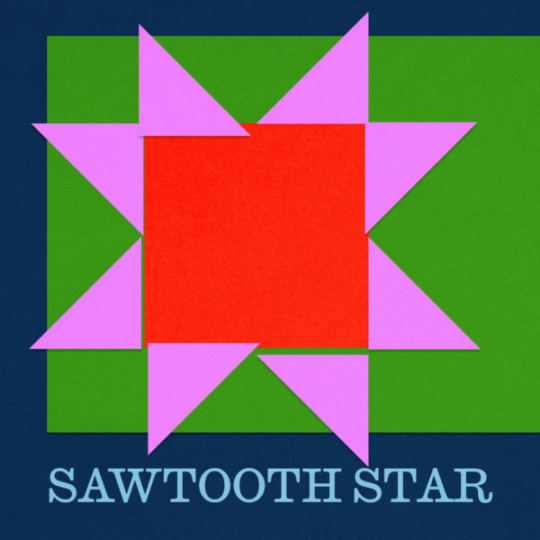
Named for its resemblance to the sharp teeth of a saw, Sawtooth Star is made of eight triangles that come together as a singular star. The pattern is an Indigenous symbol of honor and protection, as well as a marker for the Underground Railroad. Serving as armor, the star is a sacred promise; it represents looking up and moving forward. It invokes iridescence, sparkle, and metallic finishes, as well as the literal usage of stars. Sawtooth Star is celestial from the glimmer of the copper in Nari Ward’s Breathing Panels, to celebrating the immersive puzzle piece assemblage of Betye Saar to Radcliffe Bailey’s sculptures adorned with crushed green glass like Before Cisero (2016). It also speaks to travel and rapid creative or professional ascension: an art star in the making. Sparkling and sharp, the Sawtooth Star in the South and Caribbean is piercing light in all forms.
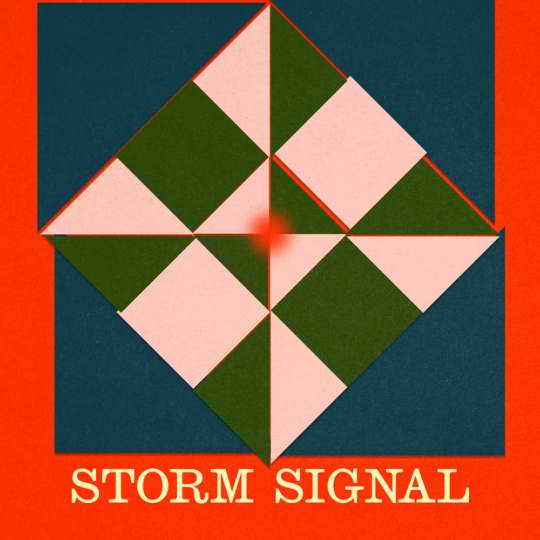
Storm Signal is an alert or sign indicating an approaching disturbance. A diamond, broken down into smaller half-square triangles, the composition captures the eye. It marks conflict and senses tension in the air, signifying a moment in flux, transition, or transformation. In contrast, Storm Signal can encourage unity, becoming a call to action or shelter. It is found in the Taíno folklore of the deity Guabancex or in Ronald Lockett’s assemblages exploring social tumult and unfulfilled promises. It is a beacon, like the Cape Hatteras Lighthouse in Buxton, North Carolina or Student Nonviolent Coordinating Committee (SNCC) “Now” posters but also invokes Allison Janae Hamilton’s hazy Floridawater (2019) photographs. Whispered or encrypted, aural or visual, it materializes as a radio broadcast, rhythmic Morse code, and 3D-printed whistles mobilizing neighbors. Storm Signal is apocalyptic energy, but also a community ready to persist.
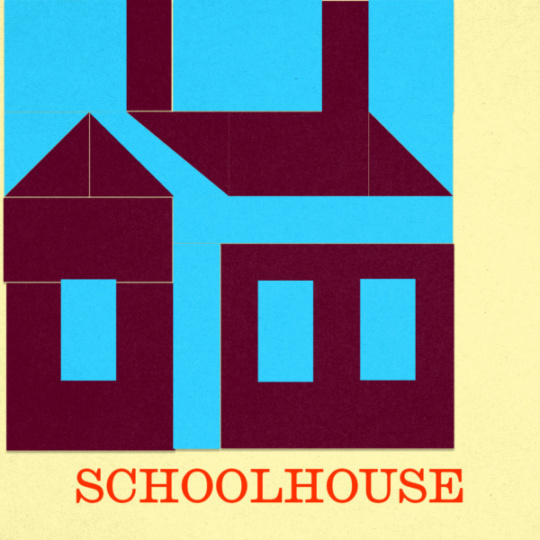
A pattern designed to recall the one-room school, Schoolhouse frames educational practices while stitching together new modes of artistic development. Addressing pedagogy and professionalism, the theme also includes expansive, experiential learning. Consider Black Mountain College, an experimental liberal arts program that brought interdisciplinary Bauhaus philosophy to the American South, or look to contemporary craft schools in Appalachia like Arrowmont School of Arts and Crafts, Penland School of Craft, and John C. Campbell Folk School. Collaborative practice is invoked by Schoolhouse, like alternative teaching structures, skill trading, and DIY production, as in Tania Bruguera’s Cátedra Arte de Conducta (Behavior Art School) in Havana, Cuba. Self-taught art is relevant, as it expands who gets to be called an artist when bias and gatekeeping are prevalent in educational spaces. Schoolhouse is ultimately about artistic lineage and the appraisal of art and education because school is more than a building: it is a mindset, a movement.
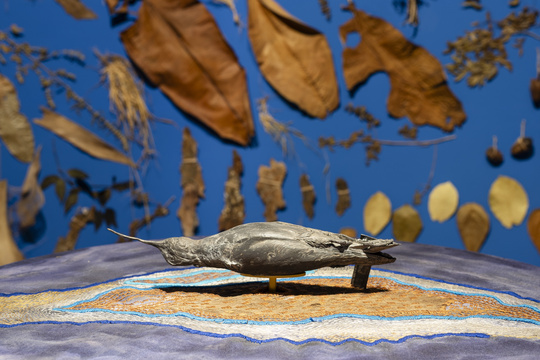
Many people are numb to images of erasure and genocide. So instead, we are met with elements of connection with the land and foraging, and this serious, poetic narrative. While this is playing out, we’re invited to investigate these drawings in the dark.
”Carlos Nuñez and Maria Owen reflect on the 2026 Whitney Biennial, discussing its aesthetics and global-regional connectivity alongside featured works by Southern and Caribbean artists.
Read More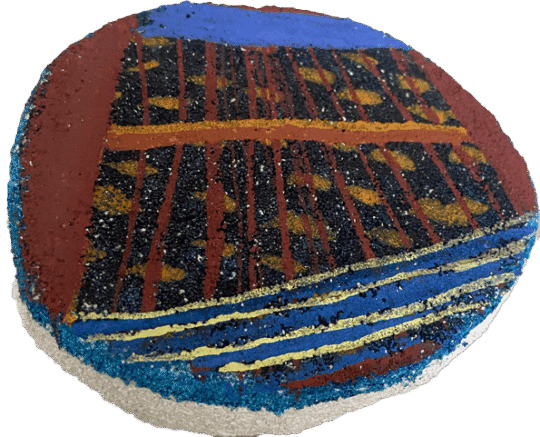
For Burnaway's September Mood Ring, Amanda Lechner presents portal 'n' parcel / partial 'n' portable, an interactive gallery that bridges tangential research with portable buon frescoes.

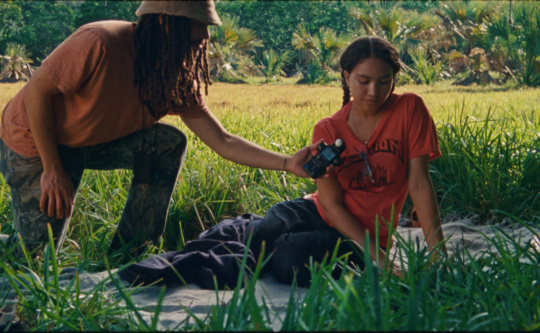
Bryn Evans joins Marguerite (Margy) Adams and Joslyn Gardner—the cofounders of Emory University’s Black Feminist Working Group—to discuss The Ballad of Suzanne Césaire (2024) and the film's engagement with sound and camouflage.
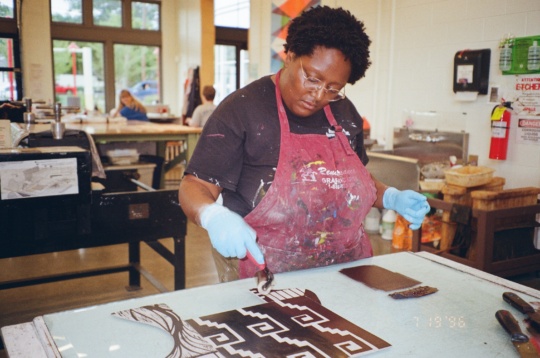
Amina Daugherty visits the Atlanta studio of Jasmine Nicole Wiliams to discuss the printmaker's kinship with Suzanne Césaire and her radical vision for cultural liberation.
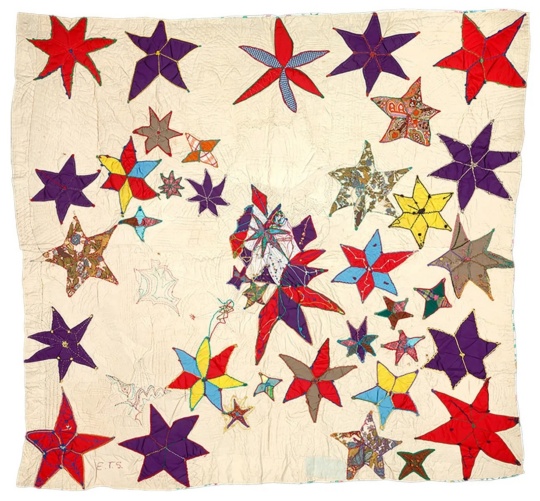
Colony Little discusses the folklore and oral histories behind the Underground Railroad Quilt Code for Burnaway's STORM SIGNAL theme.