Residents of the Kirkwood neighborhood in Atlanta were treated last year to a new addition to the local tour of homes. Many in the area were familiar with the house—for forty-two years it has stood out on its quiet street with a vibrant pink fence adorned with mirrors and a yard jam-packed with over four-hundred handmade, intricately decorated birdhouses. Yvette Gunn, who prefers to be called simply “Yvette,” is the owner and creator of her Birdhouse Paradise. According to Yvette, “I’m not dying to see heaven, so I create my own here to share with others.” She further explained:
“When I moved here in ’84 with Mama, the yard was basically undeveloped. So I had a clean slate to start with. And it’s just something that I enjoy. . . . I could stay out all time during the day, all time at night. . . . It’s just been like a revelation because the yard is like my living room. And I have met most of my neighbors that way. People will pass by. . . . So the yard is basically like a living room because you see, you encounter, you make an attachment . . . and you develop friendships.”
Yvette’s transformation into a visionary environmentalist began in her twenties when she heard about Rachel Carson’s Silent Spring (1962). Carson’s warnings about the overuse of pesticides impacted Yvette and inspired her artist-built environment and nature preserve. During that time around 1990, her neighborhood was in transition, and she noticed many the trees were being cut down to accommodate new residents. Then she realized the devastation of local animal life. Yvette said, “We weren’t even designed to do that. We were designed to live in harmony with nature. And that’s been interrupted. When I tell you the chain of consumption is gone . . . it is frightening. There are no birds.”
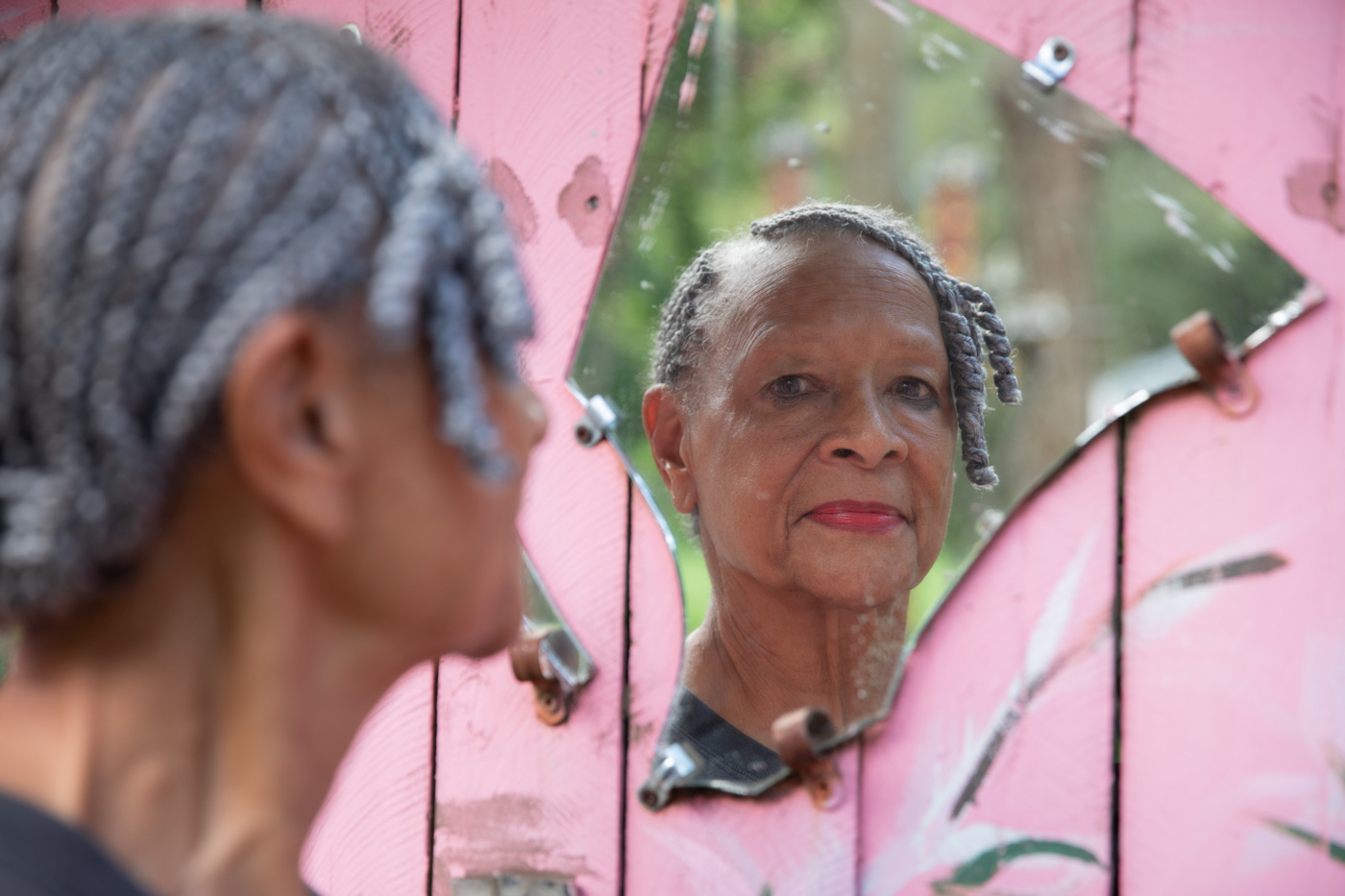
While she calls most “controlled” yards “sterile,” Yvette’s garden and unique birdhouses complement nature; they aid, house, and protect wildlife. The resulting environment is responsive. Laura Bickford, associate curator at the John Michael Kohler Arts Center in Sheboygan, Wisconsin, elaborated, “[Yvette is] responding to the environment that’s already there, and seeking to nurture it and enhance it, and . . . sort of respond to her idea that it’s perfect, but then, beautify it, too.” Birdhouse Paradise presents an alternative world, one that is instead balanced, peaceful, and harmonious.
Though Birdhouse Paradise is not currently open to the public, she welcomes passersby daily. It can be overwhelming to experience her environment—the eye is drawn up, down, sideways, right here, over there, in between those, under that, and above these, all at once. Winding pathways in the front and backyard guide visitors through colorfully decorated, towering birdhouses with baking sheets for roofs; silver statuettes with lids to protect them from acid rain; birdfeeders; wooden bee houses; and of course, flora and fauna covering the landscape.
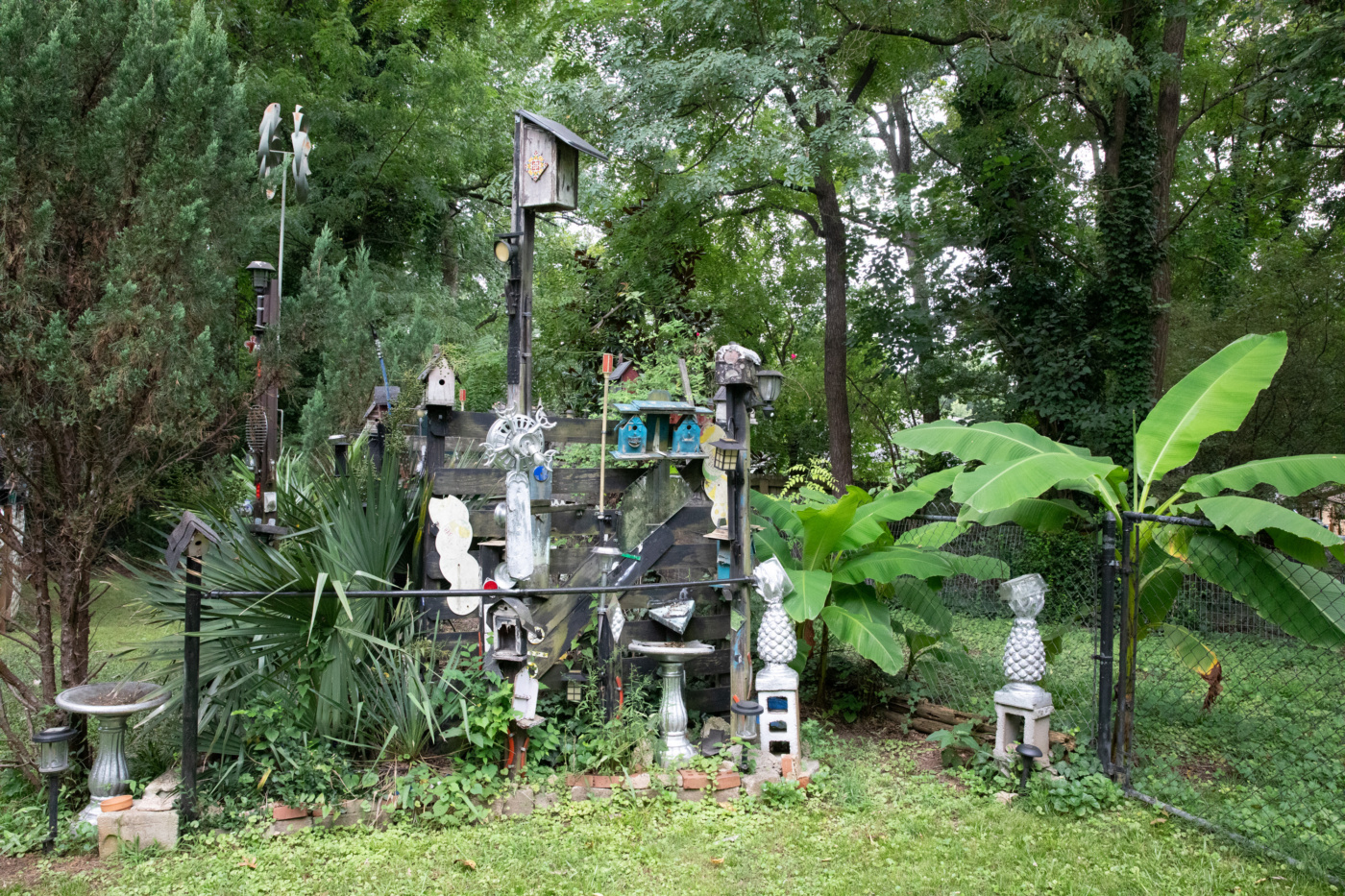
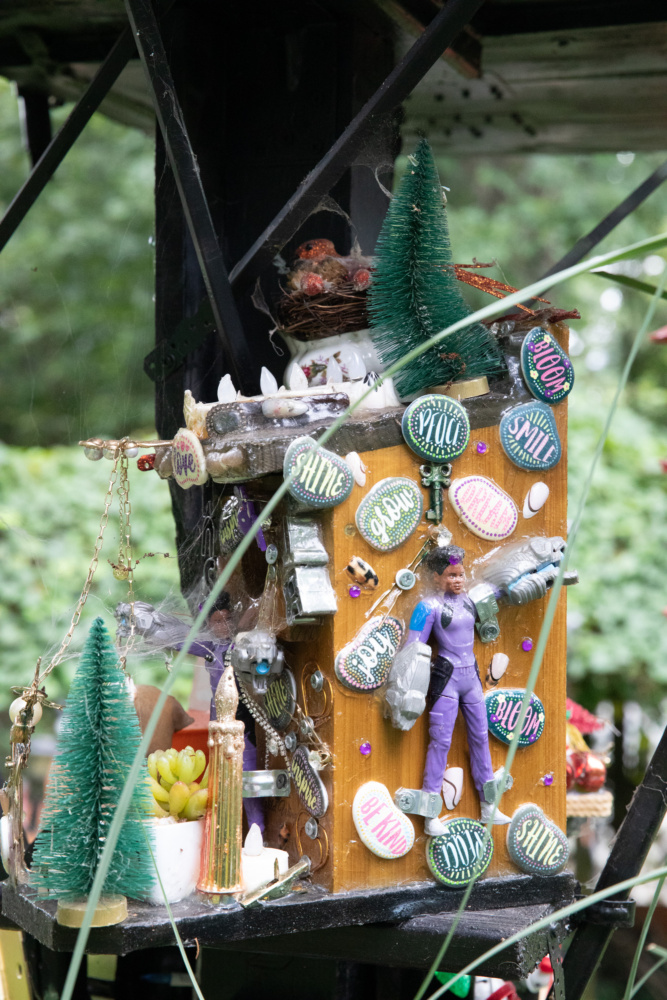
The birdhouses are mostly made from wooden fence pickets she gets from Home Depot, with every inch ornamented by items Yvette finds during shopping sprees and on the side of neighborhood streets during trash pick-up days. A self-proclaimed shopaholic, Yvette frequents antique and thrift stores, as well as big box stores like Kmart and Target to collect materials. She elaborated on her process as a kind of organic or “divine” inspiration, saying, “I always have sense that it will form itself, and I’ll know when it’s finished. No matter what I choose, it’ll come together as an art form that I can appreciate. . . . And it’s not something that you necessarily plan, but it seems to be like a divine coordination.” Yvette’s shopping and opposition to mainstream culture present an interesting duplicity in her work, but ultimately, she celebrates nature and advocates for its survival.
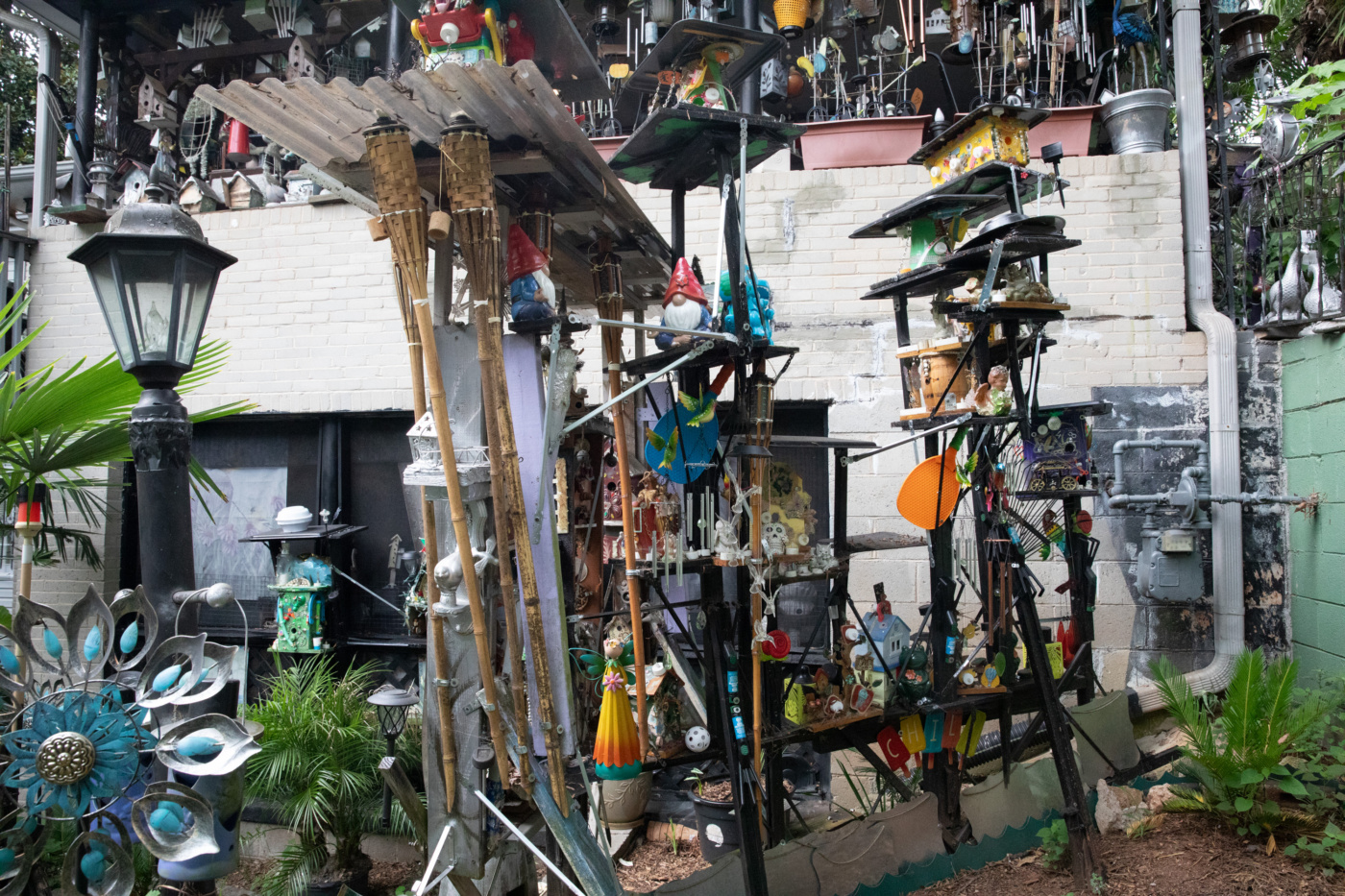
She is not so much cultivating as enabling her environment—a metropolitan nature sanctuary, complete with spreading Musa banana plants, fan and sago palms, kiwi and scuppernong vines, blueberry bushes, and Brown Turkey fig trees. Visitors often compare Yvette’s environment to Howard Finster’s Paradise Garden in Summerville, Georgia. Finster’s biographer Tom Patterson, points to the way nature and art at both environments combine for the ultimate creation. However, Finster wanted to save souls and Yvette wants to save the earth.
Her artistic contributions to her neighborhood, which stretch across three plots of land and even spill into the median of her street, celebrate nature’s proclivity for creating beauty and diversity. Yvette sees nature and humans, or what she terms “hybrid animals” or “humanoids,” as fulfilling their mission in life when they express individuality and uniqueness. She’s extremely concerned with “religious control” and governments that target certain groups that are discriminated against and mistreated. She said, “When you look at the value of a human being, and then you begin to categorize, there’s certain portions of our society that are basically written off. And one of them is the transgender population. I mean, when you look at the way they are talked about, the way that they are characterized . . . this society is wasting so much talent because of [this discrimination]. For example, I have a pride display. I don’t judge people because . . . everybody has value.”
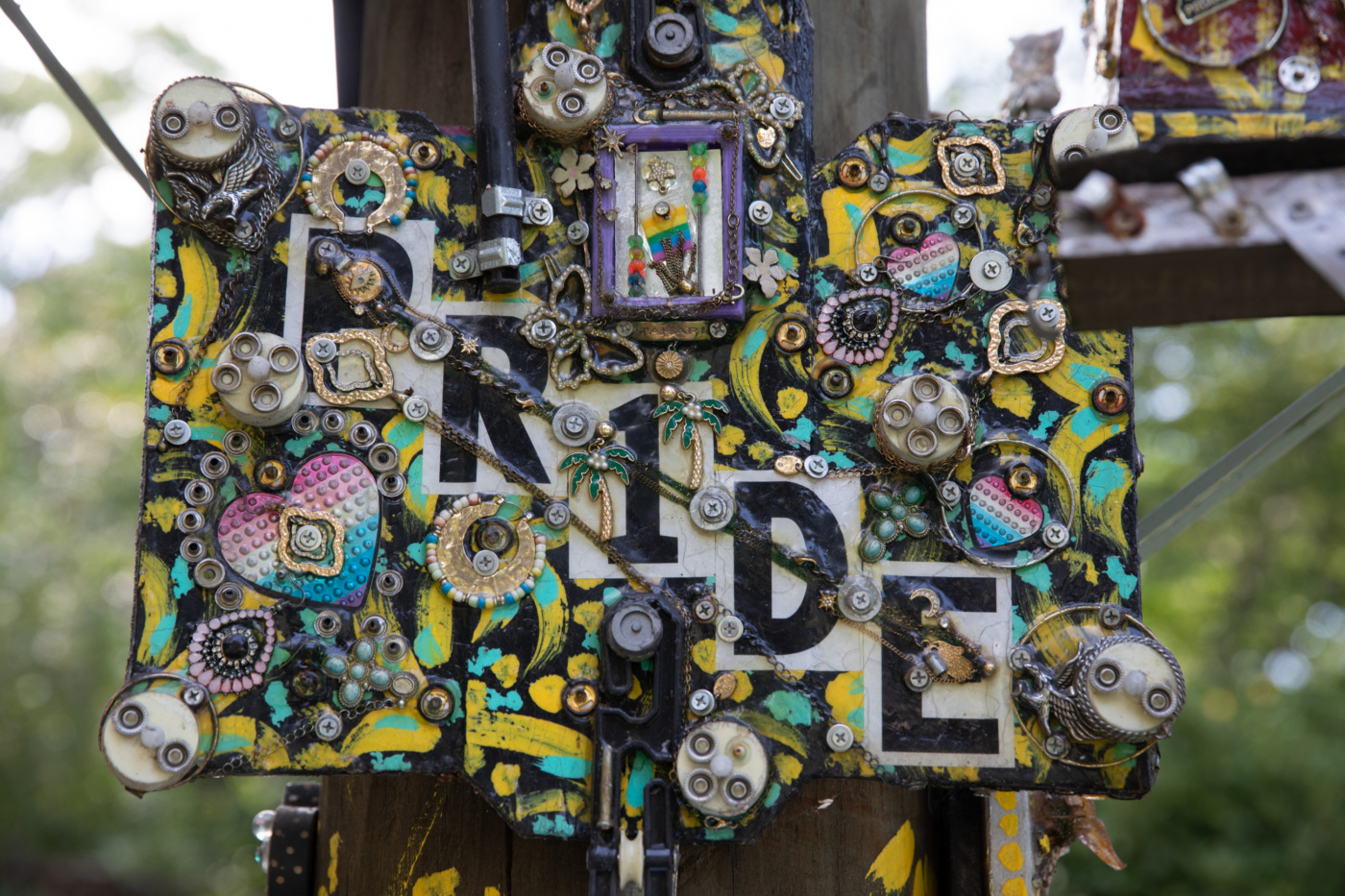
“Nature is one of the best, I’d say, artists and creators ever.”
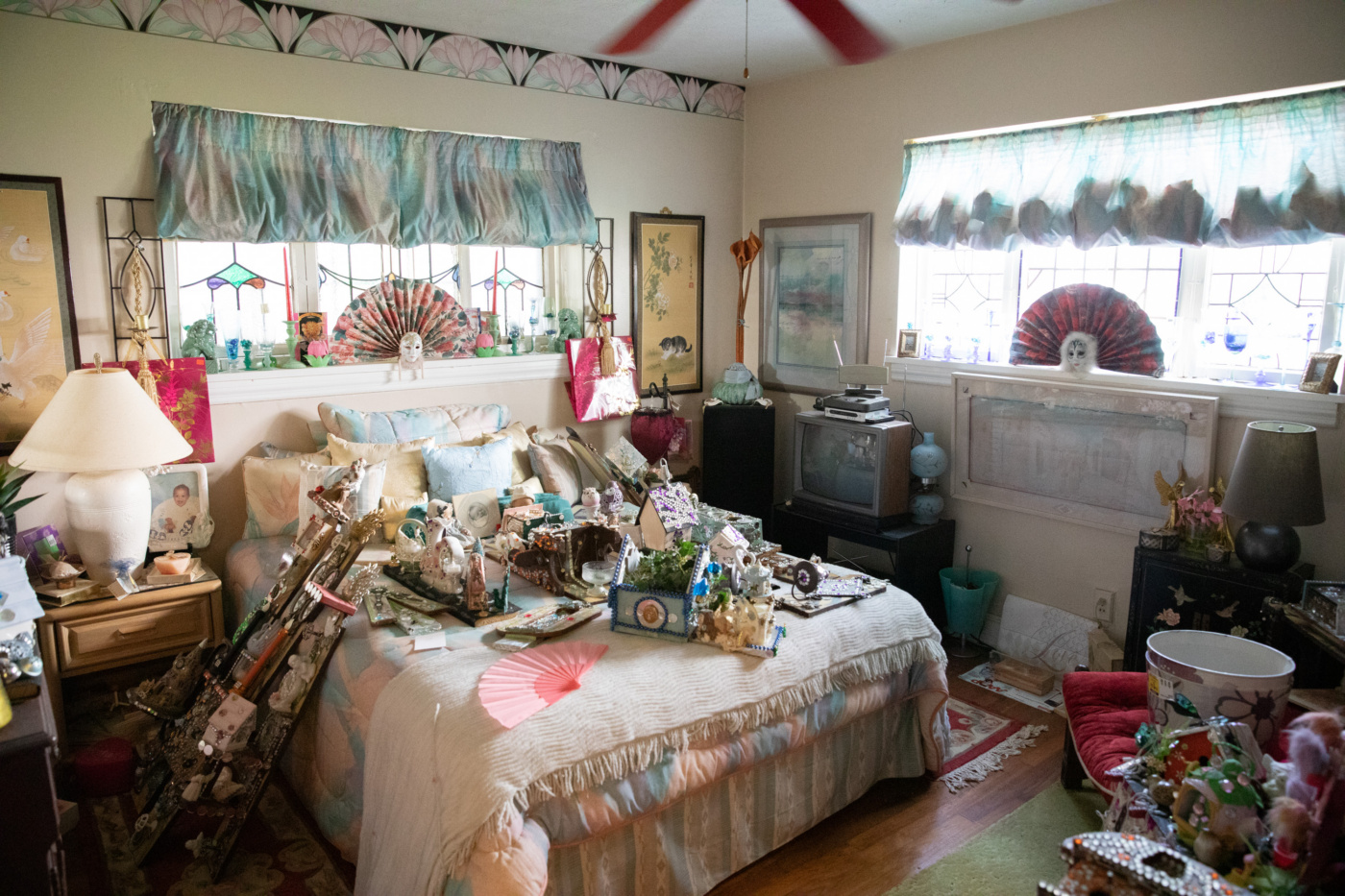
Yvette’s process and resulting work references the African American tradition of “memory jugs,” art forms devoted to deceased loved ones and adorned with relics from their life. Similarly, the birdhouses serve as little shrines, each with a theme and purpose. While Yvette never intended her birdhouses to be memory jugs, there are, indeed, a few that are dedicated to her beloved and monumentally significant mother, who influenced her love of nature, the arts, and thrifting. These pieces and others have trinkets and knickknacks attached that other people might deem of little value. The overall effect is like a beautiful explosion in a thrift store.
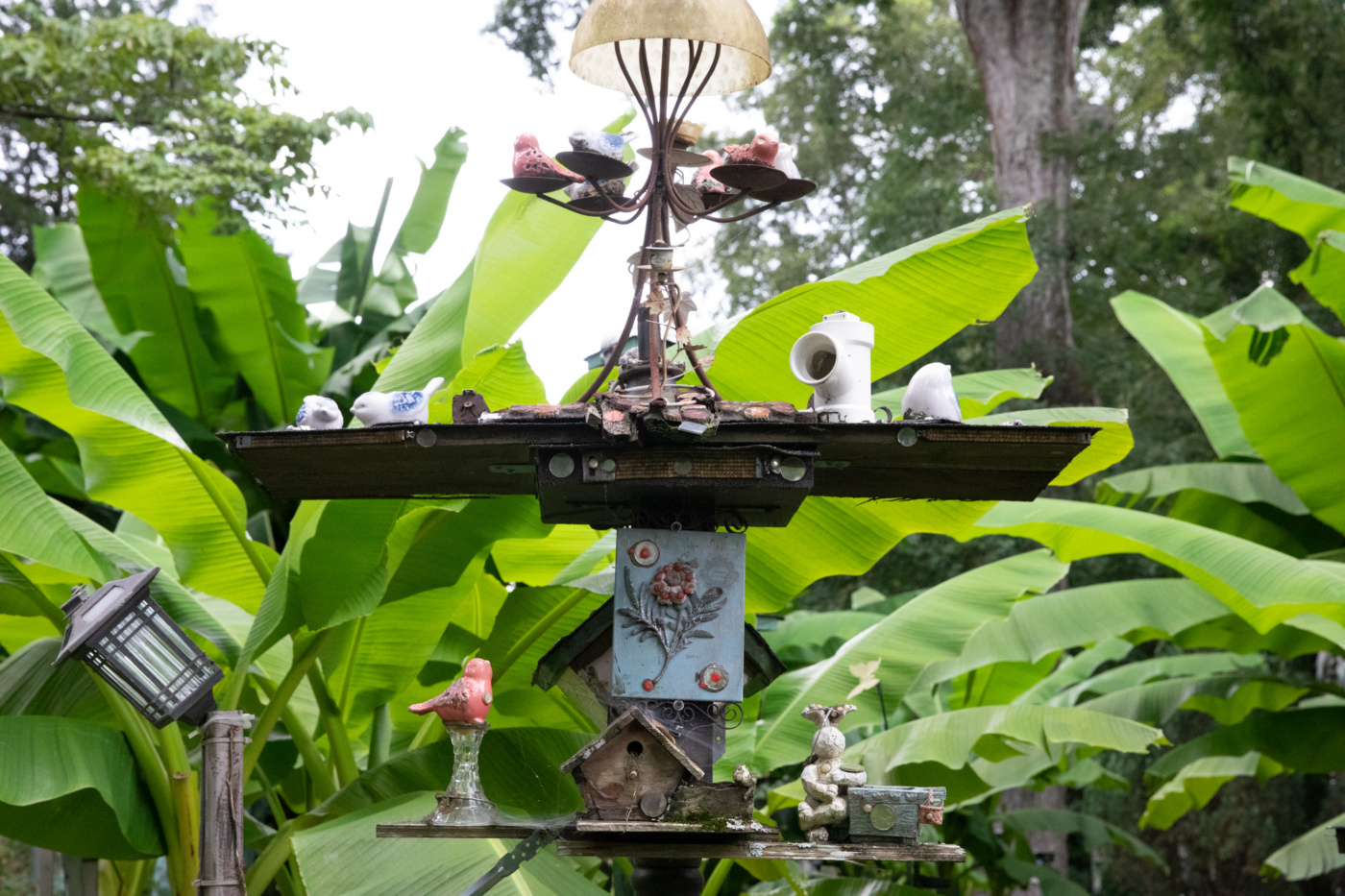
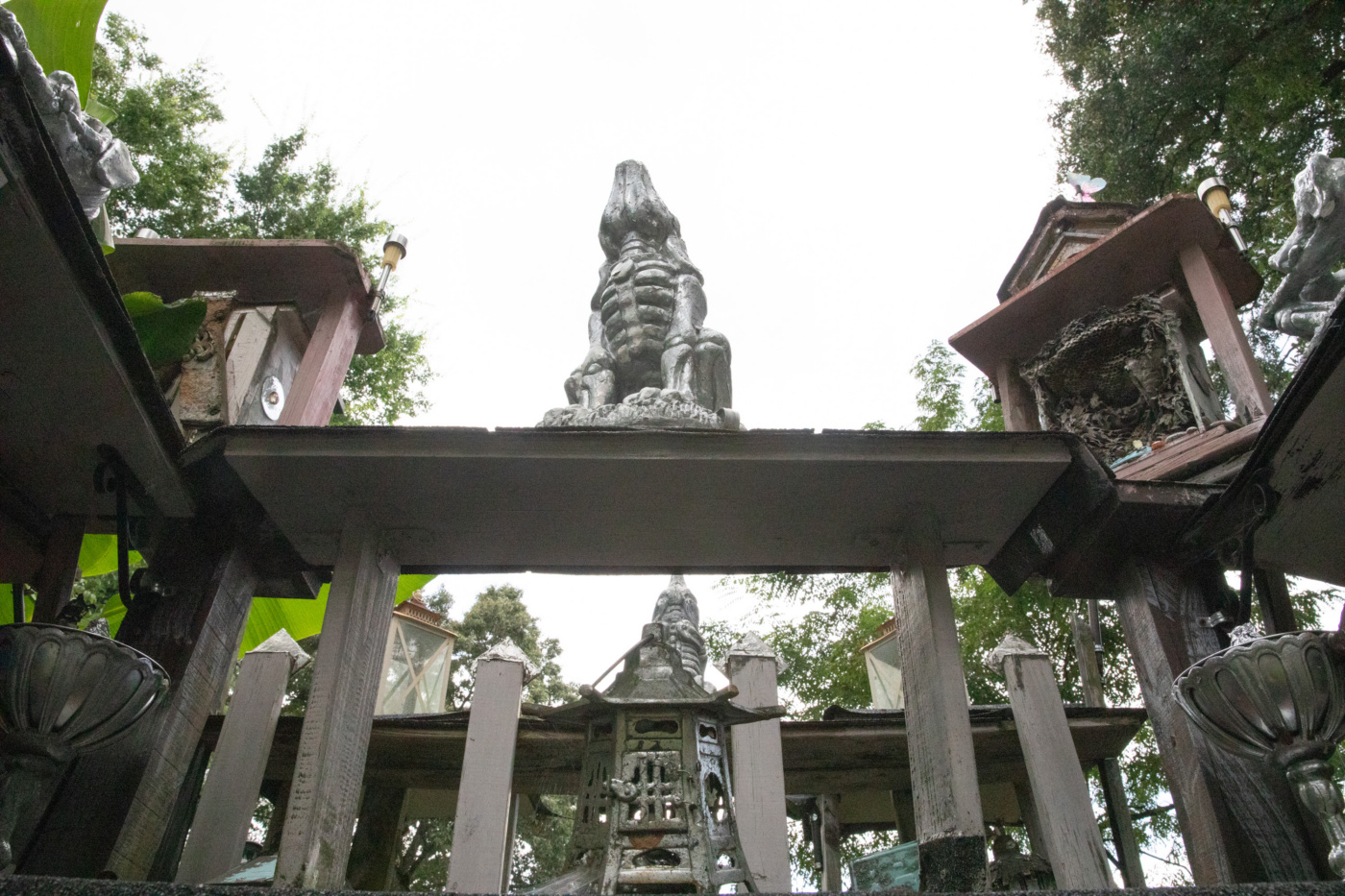
Mildred Elizabeth Rector, Yvette’s mother, encouraged her children to appreciate beauty in all things, and Yvette took that to heart. In fact, her mother’s inspiration for recycling discarded products led to the iconic pink fence in the front yard created with leftover “Oops Paint” from Home Depot. Along with inspiration from her mother, Yvette’s son, Mikel, participates in the creation and maintenance of the birdhouses. When Mikel was nineteen and the birdhouse-making started, he thought it was just a passing phase. Nearly forty years later, he helps to create them. Mikel makes some of the birdhouses himself so that Yvette can decorate them. Their relationship has strengthened through this collaboration over the years. Yvette claims motherhood taught her patience and flexibility as an artist. She said, “It’s really interesting because of the fact that you’re in charge of the development of another human being. And with so many uncertainties, you know what you would like. And it’s usually based on perfection, but that’s not real life because living requires you to be flexible and inquisitive.”
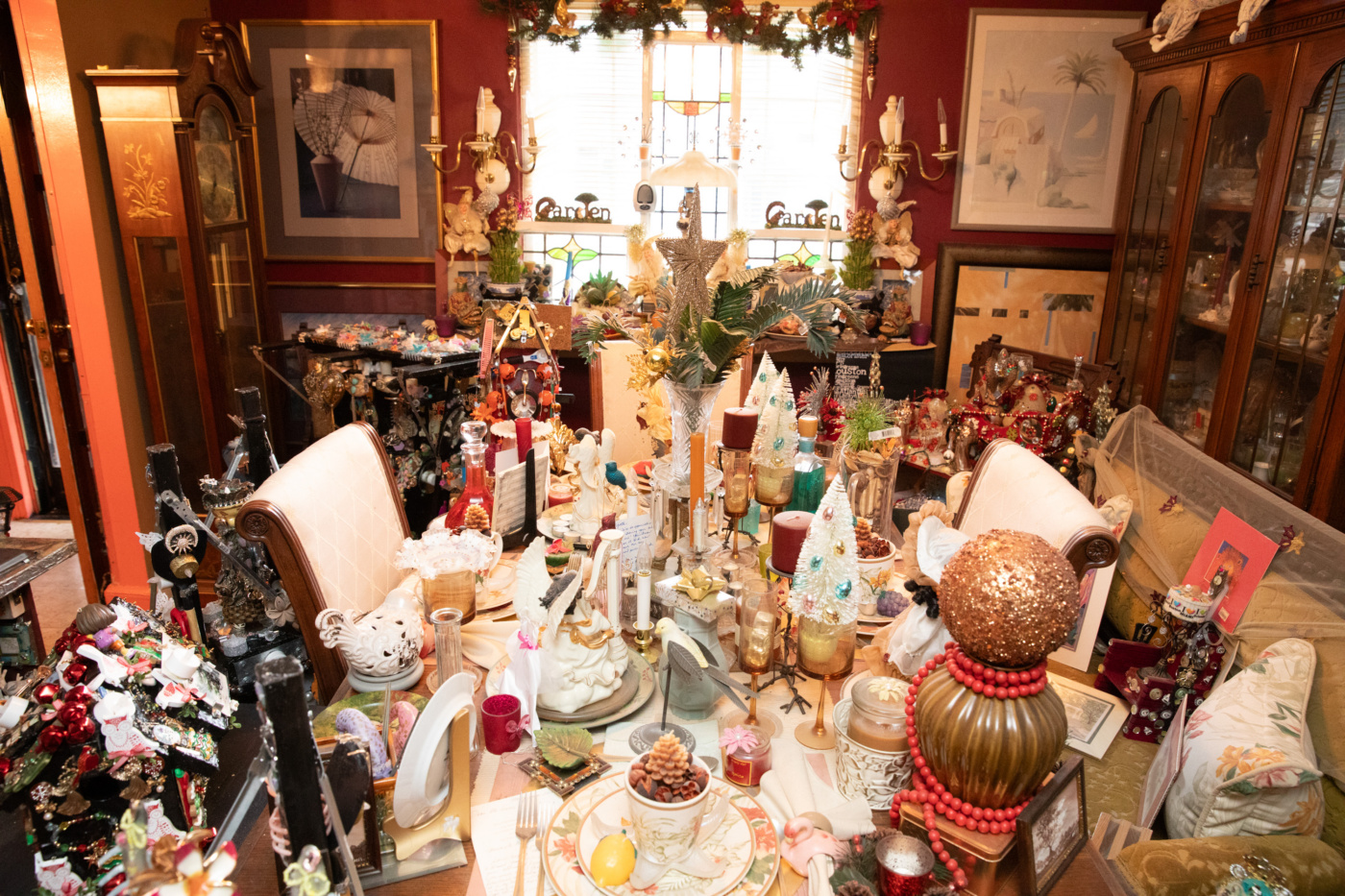
Despite all that Yvette sees as harmful to “humanoids,” she continues to find hope. She said, “The answer is respect. And you have to respect nature. And then everything else will fall into place. But it will take time because so much damage has been done to the earth.” Along with saving the birds, Yvette intends to inspire others to create and to recognize the individuality within themselves. She adds, “Nature is one of the best, I’d say, artists and creators ever.”
This feature was originally published in print for the Atlanta Art Fair 2026 broadsheet publication, taking place from October 1 to 4, 2026.