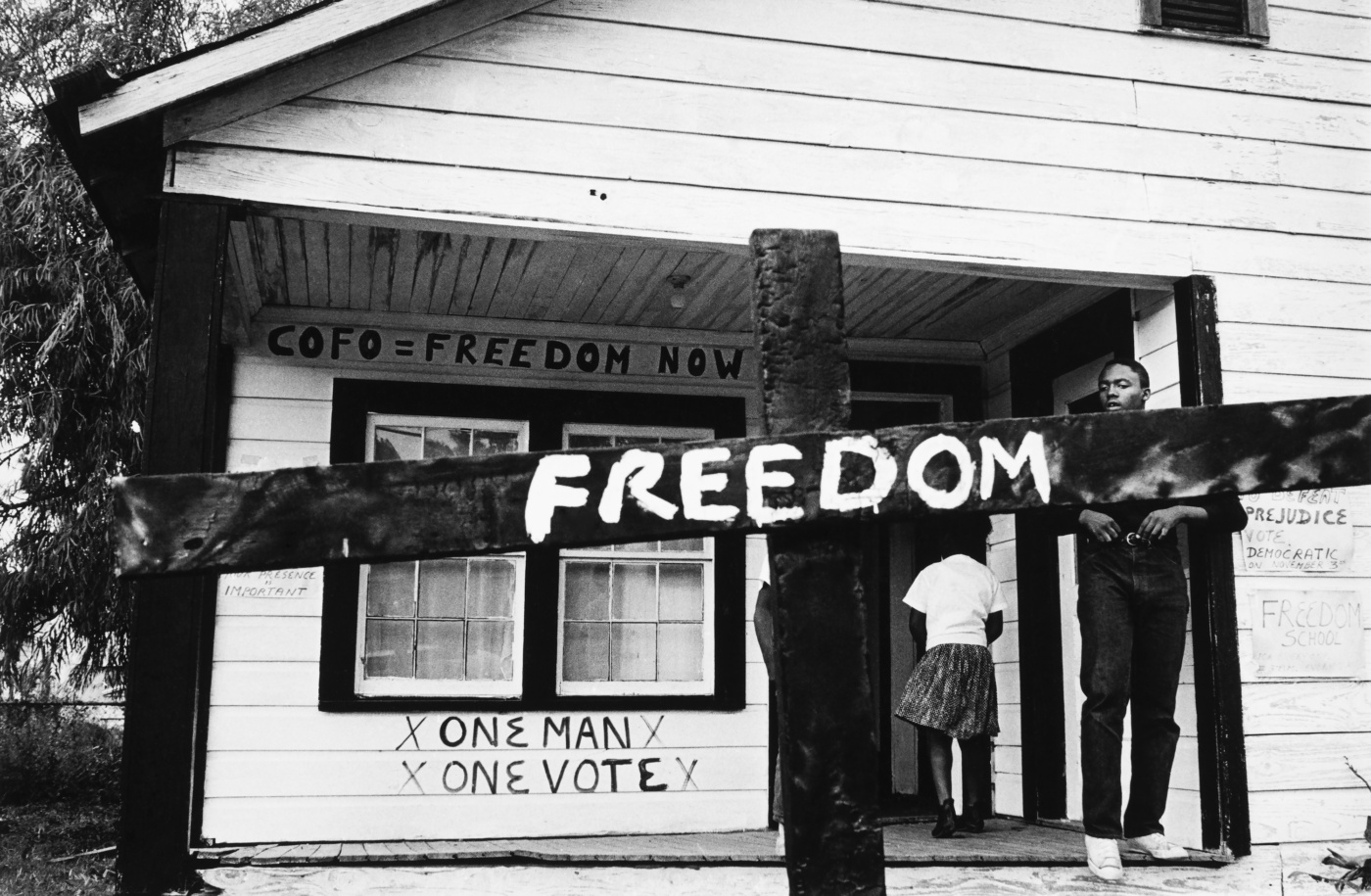
In the Spring of 1964, the Klan across Mississippi set fire to over twenty Black churches and over sixty crosses simultaneously to show their anger at the increased presence of civil rights activists in the state. As a coordinated act of terror supported by the estimated membership of 10,000 plus Klan members in Mississippi alone, a burned cross was unequivocally understood in the twentieth century as an act of racial hatred and intimidation in the name of white Christian nationalism.
The cross burnings were a response to the announcement of the freedom summer project, which would establish schools with culturally specific curriculum to work in conjunction with voter registration to empower young Black Mississippians. The freedom summer of ’64 involved thousands of students from across the country and has been acknowledged as a pivotal step towards the Voting Rights Act of 1965 that directly prohibited the practices of poll taxes and literacy tests that were used to racially discriminate against sharecroppers in Mississippi.[1]
The interracial Student Nonviolent Coordinating Committee (SNCC) efforts to increase voter registration amongst Black citizens were met with intimidation and terrorism. Both locals and students were subjected to beatings and jailings that extended into shootings, bombings, and coordinated murder by white mobs working with sheriff departments.
The photograph of the Pascagoula freedom school was made by twenty-three-year-old Tamio Wakayama, then a Nikkei (a person of Japanese descent) student who still went by the anglicized name of “Tom.” The photograph was taken in the Fall of 1964, after a successful, yet intense summer in Mississippi that included the high-profile disappearance of three SNCC activists, two of whom were white Northerners, and the FBI’s discovery of their bodies along with numerous others who had been long reported missing. Defiantly, the school turned the burnt cross on its side and reclaimed its presence as a marker of freedom left out front for all to see to show that intimidation would never stop them.
Wakayama was born shortly before the bombing of the US military base Pearl Harbor by warplanes of the Japanese Imperial Navy, triggering the suspicion and persecution of hundreds of thousands of people of Japanese descent along the Pacific coast from Brazil to Canada. His family was among the 22,000 Canadians who would be dispossessed of all their private properties, interned in a series of makeshift accommodations for years, and then given the choice to relocate east of the Rockies or self-deport to Japan, a country that most of them had never visited. Wakayama, in his own words, grew up resentful of his differences in a predominantly hostile white society, and was conflicted with the experience of seeing his parents lose everything, but helpless to speak or change across the chasms of language and internalized shame.[2]
The summer prior to taking this photograph in Pascagoula, Wakayama was still living in his mother’s home in the town of Chatham, Ontario, a Canadian town that had its own living history of racial segregation as the final stop of the Underground Railroad. Wakayama found himself deeply moved as he listened to the speech of John Lewis at the March of Washington.[3] After hearing Lewis speak, Wakayama packed a bag and drove south. As a young person new to activism, Wakayama earned his way in the Atlanta office as a live-in janitor, chauffeuring people around in his Volkswagen Bettle, and setting up SNCC’s darkroom.
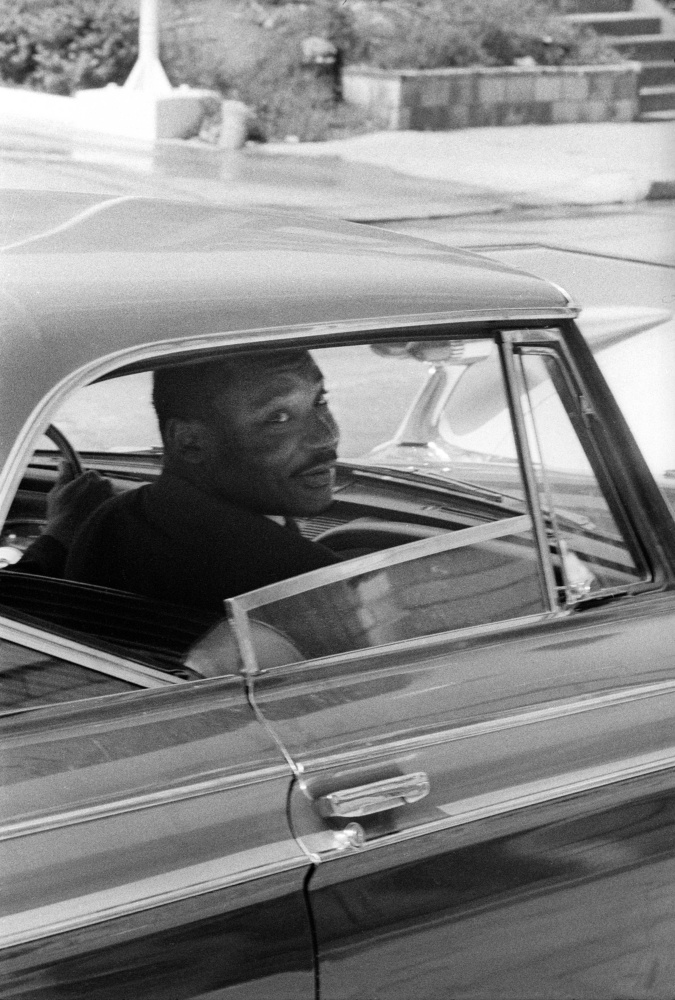
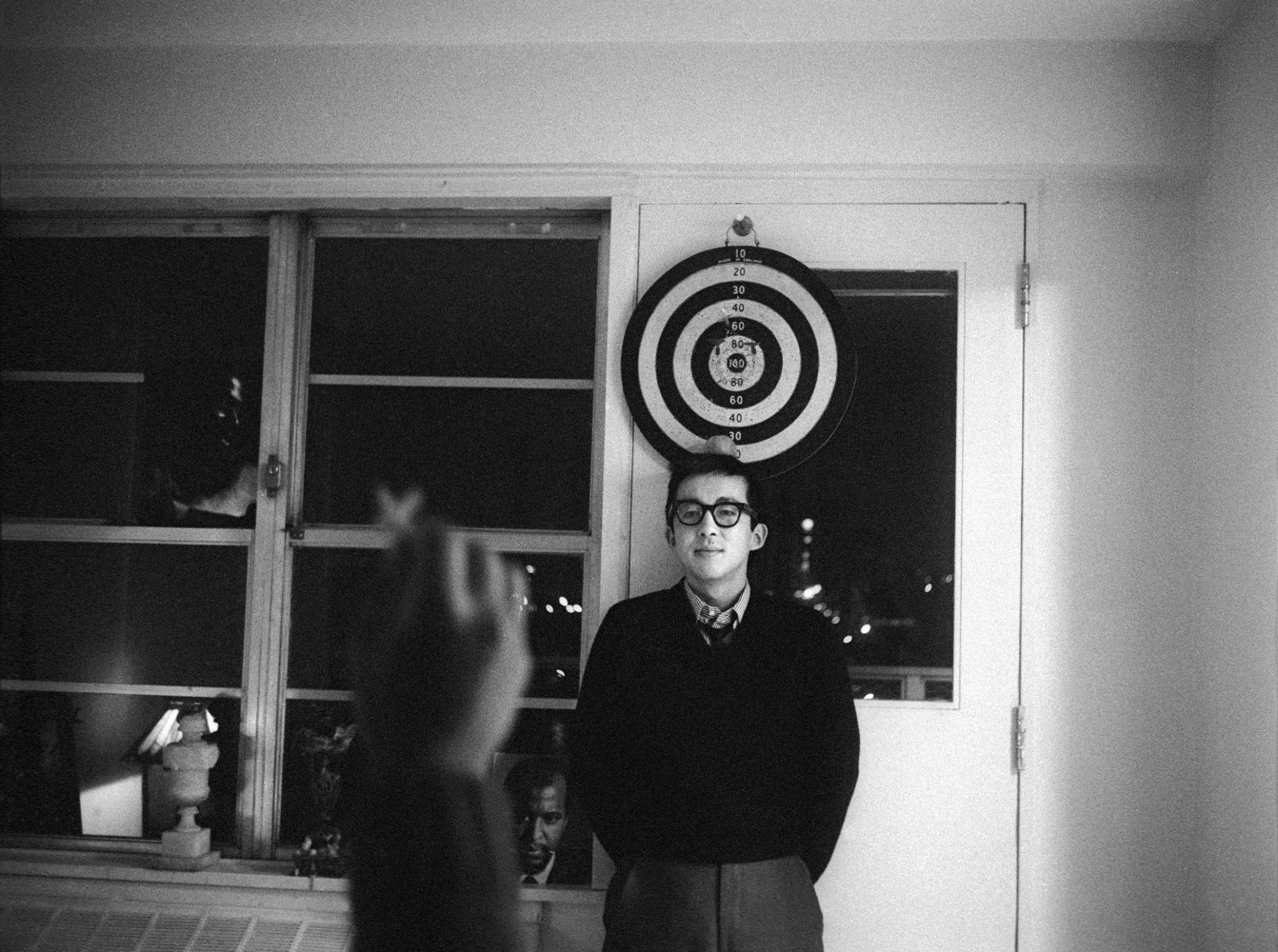
Under the mentorship of civil rights photographer Danny Lyon, Wakayama was given a camera and in the vein of the “new journalism” at the time became an active participant rather than a mere observer. Photography became the framework for Wakayama to tell the stories of the lesser heard. He addressed SNCC’s activities including moments of joy and intimidation. Later his works expanded to protests against the Vietnam War, the Sioux in Saskatchewan, the Doukhobors in the British Columbia interior, to finally, the communities of Japanese Canadians who survived years of dislocation after the Second World War.
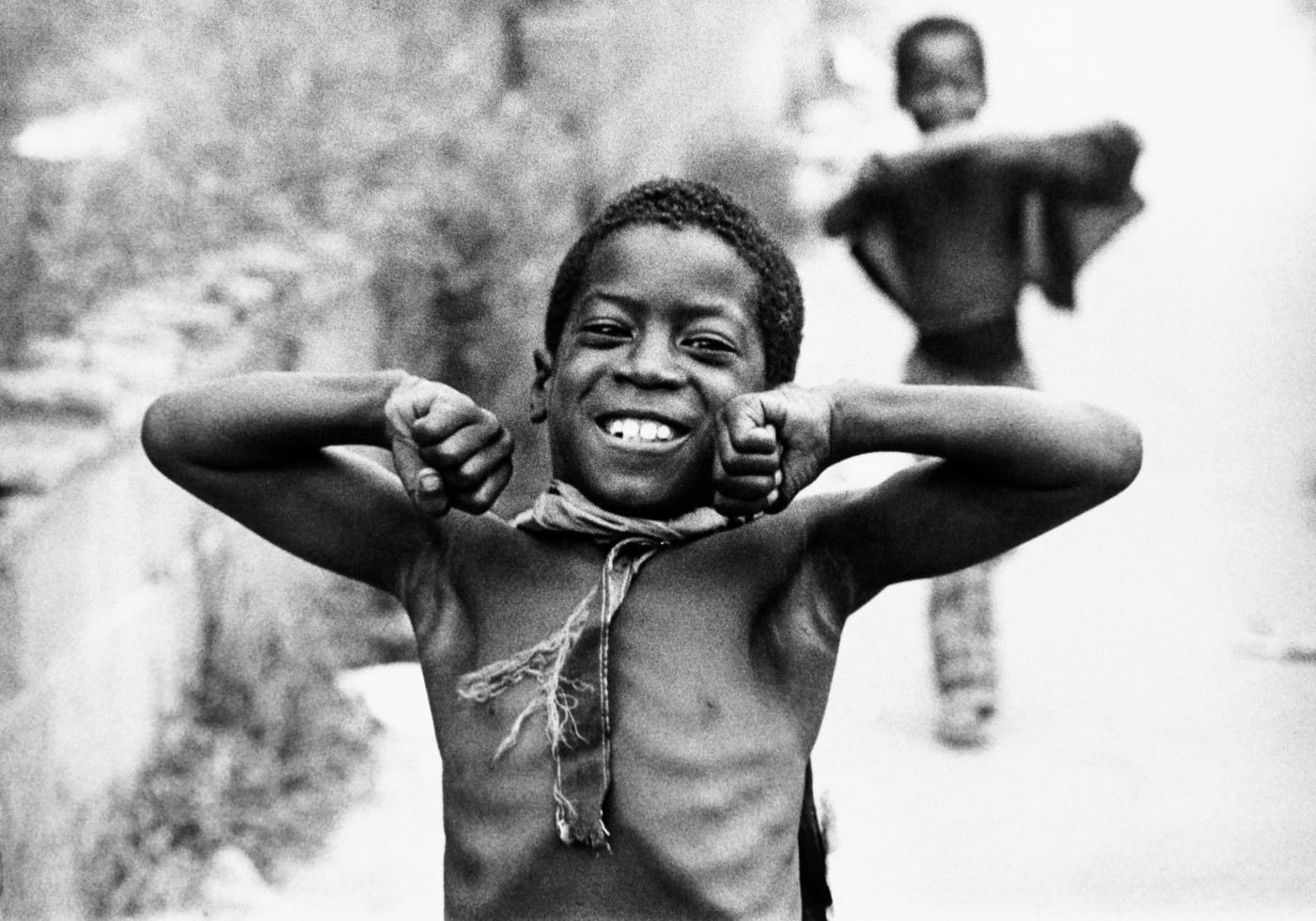
Wakayama continued to refine his craft offering intimate close-ups of faces in repose and scenes of bodies protesting, dancing, or resting from a center-stage vantage point. Only the photographs from his time spent traveling alone in Japan did his framing feel removed, as if the composition reflected his own inner questioning of whether he belonged there.
For survivors of internment following the Second World War, there was but little choice to assimilate and move on after failed appeals to reclaim what was lost. In 1966, sociologist William Peterson coined the term “model minority” after Japanese Americans for what he observed as a hard work ethic and strong family values despite their earlier internment.[4] This idea of overcoming hardship to gain economic self-sufficiency was mirrored by many diasporic Asian communities eager to assimilate despite its inherently anti-Black and anti-Indigenous connotations. The desire to belong to the dominant majority rather than align with other groups who have been oppressed by the state was reflected in Wakayama’s surprise that he did not see more Asian faces at SNCC until Ed Nakawatase joined in the summer of ’64, and even then, they were the only two.
Photography became the framework for Wakayama to tell the stories of the lesser heard.
After moving back to Ontario as SNCC began to shift into its Black Power era under Stokely Carmichael, Wakayama worked as an advisor for the short-lived Student Union for Peace Action (SUPA). He was also a resident at the short-lived Rochdale College project in downtown Toronto, but eventually found himself back on the Canadian West Coast. It was along Powell Street in downtown Vancouver, the pre-war neighborhood for Nikkei businesses, where he connected with intergenerational Japanese Canadians from elders to new Japanese immigrants arriving after 1965. Together this group gathered themselves under the name of the Japanese Canadian Centennial Project to organize a photography exhibition titled A Dream of Riches: The Japanese Canadians 1877 to 1977. Artistically led by Wakayama, the exhibit of photographs collected from archives, state propaganda, and private family albums toured across North America and Japan for years. Meanwhile, a local Nikkei-centered festival, titled the Powell Street Festival, would be established the same year. Wakayama would become the resident festival photographer of his community for decades, ultimately producing a book, Kikyō: Coming Home to Powell Street (1992).
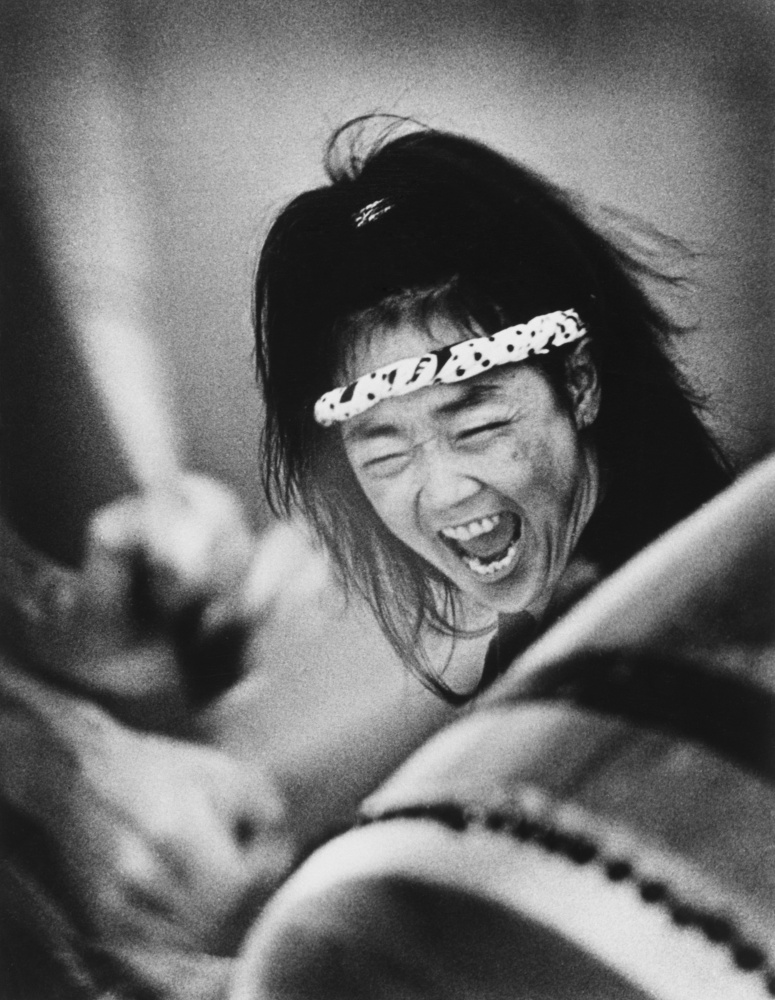
Documenting the history of the festival along with its tightly-woven network of organizers, volunteers, and annual attendees, Wakayama’s photographs captured the dynamic energy of his subjects, from the iconic image of Linda Uyehara Hoffman wailing on the taiko drum to the relaxed, smiling faces of attendees enjoying the crowded company of celebrating each other, a simple act that had struck fear into older generations of Nikkei following their stigmatized designation as “enemy aliens”.
After his time with SNCC, Wakayama would also become an unsung member of the Japanese Canadian redress movement. Along with the organizers of A Dream of Riches including Randy Enomoto and the late Roy Miki, they channeled the photography exhibition’s research into a series of meetings and town halls before submitting their political brief, Democracy Betrayed, which would officially launch the grassroots campaign to seek justice for Japanese Canadians interned during the Second World War.
By the late summer of 1988, President Ronald Reagan had begrudgingly signed the Civil Liberties Act that formally apologized to Japanese Americans for their Second World War internment.[5] The apology included material reparations of $20,000 for each surviving internee, which by the 1980s still included over 80,000 out of the 110,000 people interned, most of whom were American citizens who were never given due legal process. Less than two months later, the Canadian federal government followed suit, signing the Japanese Canadian Redress Agreement that included the first official state apology in Canadian history delivered in the House of Commons along with reparative gestures for each survivor and community funds.[6]
Nearly forty years after these historic state apologies, Enemy Alien: Tamio Wakayama is the first major survey of the Japanese Canadian photographer’s work in his home province of British Columbia. The show and catalogue sit in companion to the 2024 documentary by artist Cindy Mochizuki of Wakayama’s life, and yet, as both the film and exhibition demonstrate: Wakayama is little known outside of a handful of activists belonging to two seemingly disparate communities: the cultural and political organizers of Japanese Canadian redress and the early grassroots activists of SNCC.[7] At the core of the posthumous exhibition organized by artist and curator Paul Wong at the Vancouver Art Gallery is the lesser-known legacy of Wakayama’s expansive artistic output, including at least seventy never before printed negatives from his time with SNCC.
Decades after Tom became Tamio once more, his name and life’s work traversing some of the most significant political and cultural events of the twentieth century are at long last being honored and rightfully remembered for generations to come.
[1] Gianna Baez, “Legacies and Lessons from the Trailblazing Voting Rights Project,” NAAC (n.d.) https://www.naacpldf.org/freedom-summer-ldf-legacy/.
[2] Tamio Wakayama, “Soul on Rice” in Paul Wong, ed. Enemy Alien: Tamio Wakayama (Vancouver: Vancouver Art Gallery), 24 – 277. See also JCCP, A Dream of Riches: Japanese Canadians 1877 – 1977 (Vancouver: Japanese Canadian Centennial Project, 1978).
[3] John Lewis, “Speech at the March on Washington,” Voices of Democracy (August 28, 1963). https://voicesofdemocracy.umd.edu/lewis-speech-at-the-march-on-washington-speech-text/.
[4] The author’s understanding of “model minority” is informed by critical scholarship including Ellen D. Wu, The Color of Success: Asian Americans and the Origins of the Model Minority (Princeton, NJ: Princeton University Press, 2014) and Madeline Y Hsu, The Good Immigrants: How the Yellow Peril Became the Model Minority (Princeton, NJ: Princeton University Press, 2015).
[5] Matt James et al, “Separate National Apologies, Transnational Injustices: Second World War Oppression, Anti-Japanese Persecution, and the Politics of Apology in Five Countries,” Global Studies Quarterly 2, no. 4 (2022), 7.
[6] The author acknowledges it is necessary to critically examine why Japanese Americans and Japanese Canadians were the first minority group to receive a formal apology before any other group while maintaining that an apology was desired and deserved.
[7] Cindy Mochizuki, Between Pictures: The Lens of Tamio Wakayama (Telus, 2024). https://www.cindymochizuki.com/filmography-animation/between-pictures-the-lens-of-tamio-wakayama.
Enemy Alien: Tamio Wakayama is on view at the Vancouver Art Gallery until February 22, 2026.