In the past two decades Sarasota, FL, has developed rapidly, and demographics have likewise changed—the Latin population, according to the last US Census, has grown by 44 percent while the white population has decreased.[1] These changes are impacting local politics and art exhibitions. For example, at the time I visited the group show Nuestro Vaivén (Our Sway) at the Ringling Museum, the institution’s first major exhibition of contemporary Latin art, some Sarasotans—including many students—were protesting the county school board for its reaffirmation to working with ICE.[2]
Organized by the New York–based independent curator Amy Rosenblum-Martín with Sarasota-based community curator and Ringling trustee emeritus Javi Suárez, the regional survey features sixty works by twenty-two artists, representing eleven Latin American nations and eleven Florida counties from the middle-to-south of the state. But most intriguingly, some of the artists featured in Nuestro Vaivén have created commissioned works that celebrate four longtime Latin leaders from the community who had not previously considered themselves part of the art world before—Diana Gonzalez, a Mexican radio personality; Dr. Manuel Gordillo, a Peruvian doctor; Gloria Noemy Lopez Herrera, a Nicaraguan organizer of new immigrant entrepreneurs; and Ada Toledo, a Dominican salon owner. Remarkably, the museum also invited each community leader to have a private party inside the show as their own artwork.
The intergenerational show across seven galleries showcases the vastness and depth of art from the Latin diaspora, breaking many stigmas and stereotypes about Latin American life and art. In Spanish, the word vaivén roughly translates to a back-and-forth movement, like a conversation, which rings true through the exhibition: the project effectively unites the two groups under the shared concern of uplifting Latin communities. Likewise, the specific pairings of artists and leaders reflect mutual interests—from ethnicity and race, to labor and class issues, to forms of social practice art.
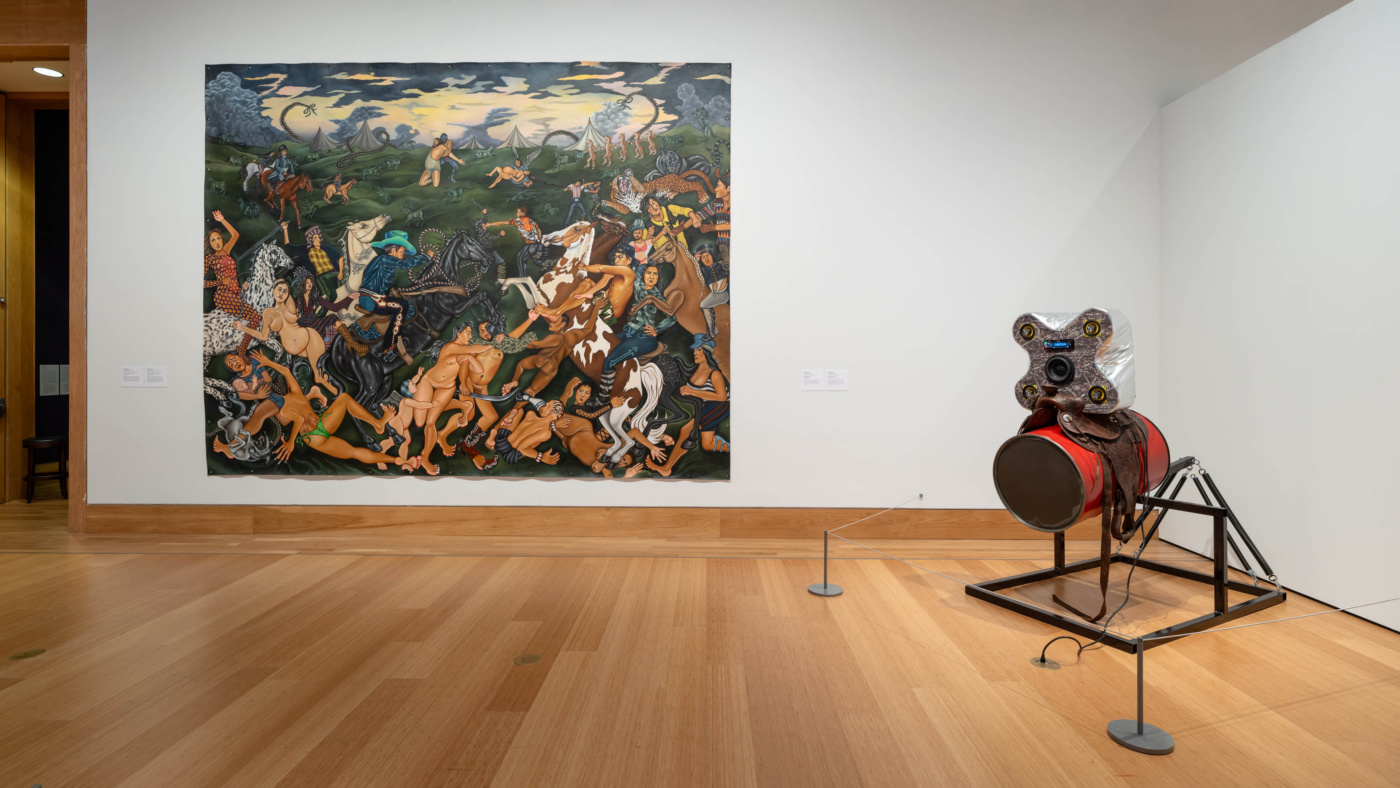
The revelries begin from the start, in the first room where the viewer can hear Gonzalez’s sparkling voice and upbeat music from her station, La Zeta 105.3 FM, emitting from sculptures by Adrián Gómez, including For the Parade (2025). Here, a portable, bespoke speaker sits atop a powder-coated bull riding training device in a nod to an annual independence ceremony in Gómez’s mother’s Mexican hometown that always ends with a bull riding event. The piece echoes themes found in Emily Martinez’s adjacent 12 x 14 foot mural painting The Soft Edge of a Sword (2025), which references Mexican vaquero (cowboy) culture and reclaims it from American Western motifs. Evocative of Hieronymus Bosch, the canvas features a battle at its center between two men riding horses as numerous, with mostly nude bodies fighting and flaunting around them.
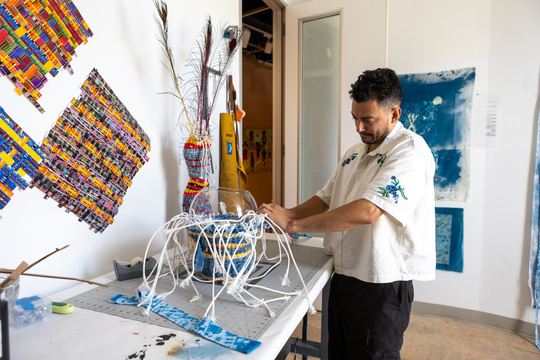
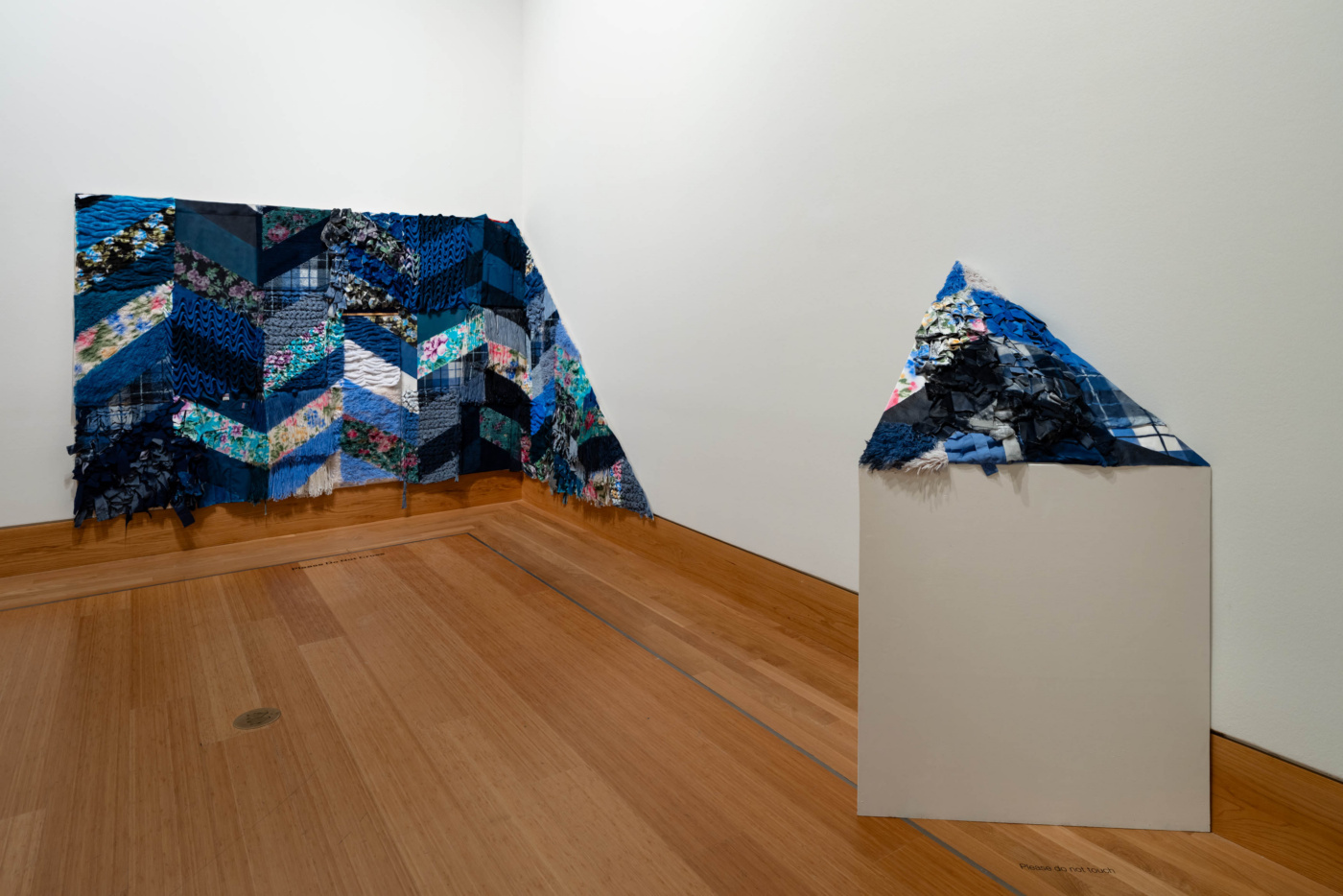
A more abstract approach is found in the final room of the show where subtle, process-oriented works by Yanira Collado and Manuela González focus on themes of collective healing and affective labor—ideas they discussed with Dr. Gordillo, an infectious disease specialist. The works in this room embrace the often overlooked and use of unconventional processes, organic materials, and found objects. Looking closely at González’s site-specific wall-based work Piramidal (2025), one will find dozens of upcycled scrubs donated by Dr. Gordillo alongside everyday household items, such as towels and bathmats.
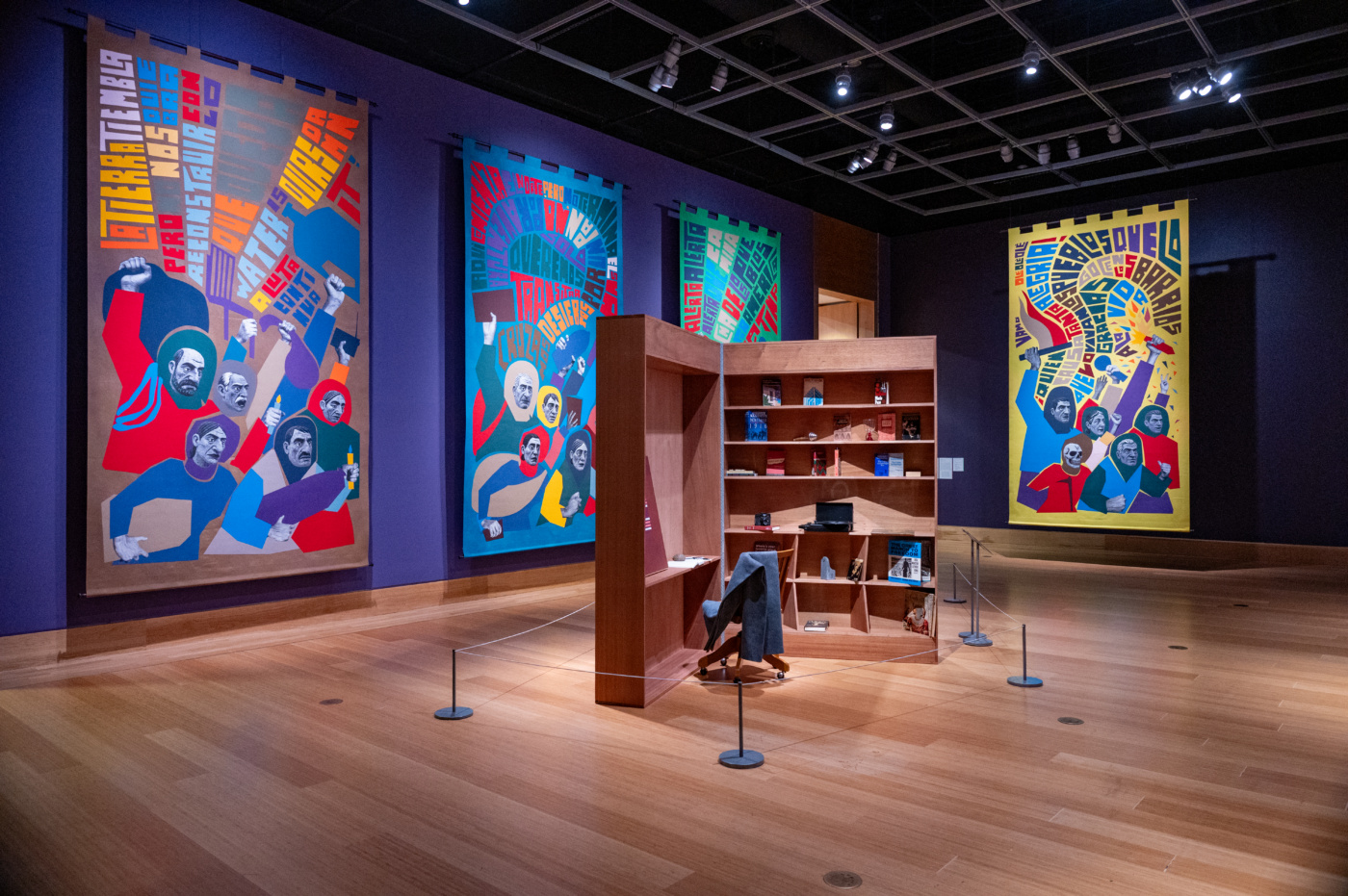
In a middle gallery, the activism of organizer Lopez Herrera is honored by Francisco Masó and Edison Peñafiel. The latter’s textile-based series The Nobodies (2025) draws on the various visual languages of political posters, circus banners, and alfombras de aserrín—the graphic and vibrant sawdust carpets made for religious processions in Central America. Made with fabric and photo transfers of hands and masks, Peñafiel’s alluring hangings conjure conceptual narratives of unrest, struggle, and strength. In the center of this room, Masó’s modernist, modular Workstation (2025) invites viewers to sit down to write or read books, such as Hannah Arendt’s edifying The Origins of Totalitarianism (1951).
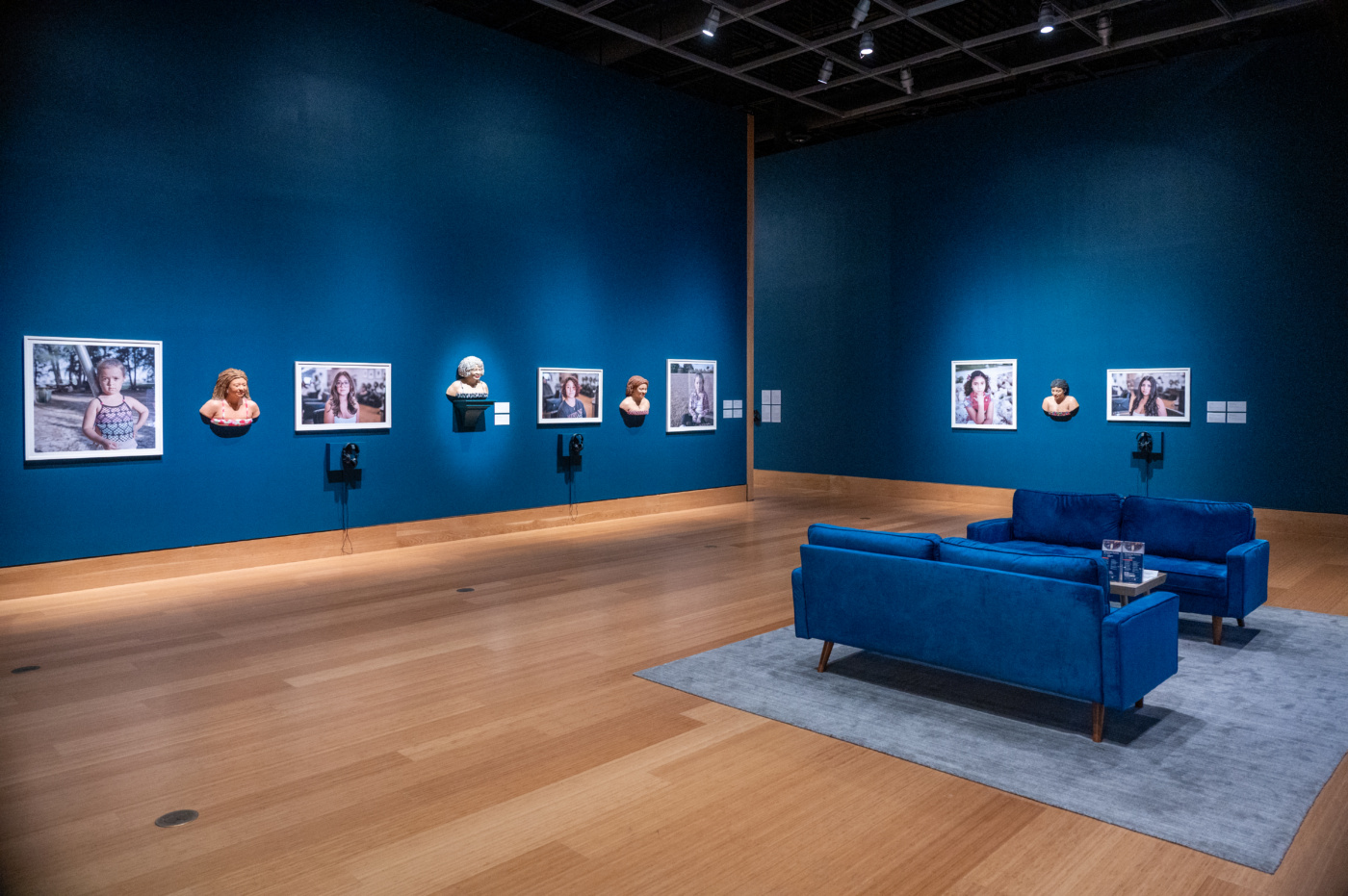
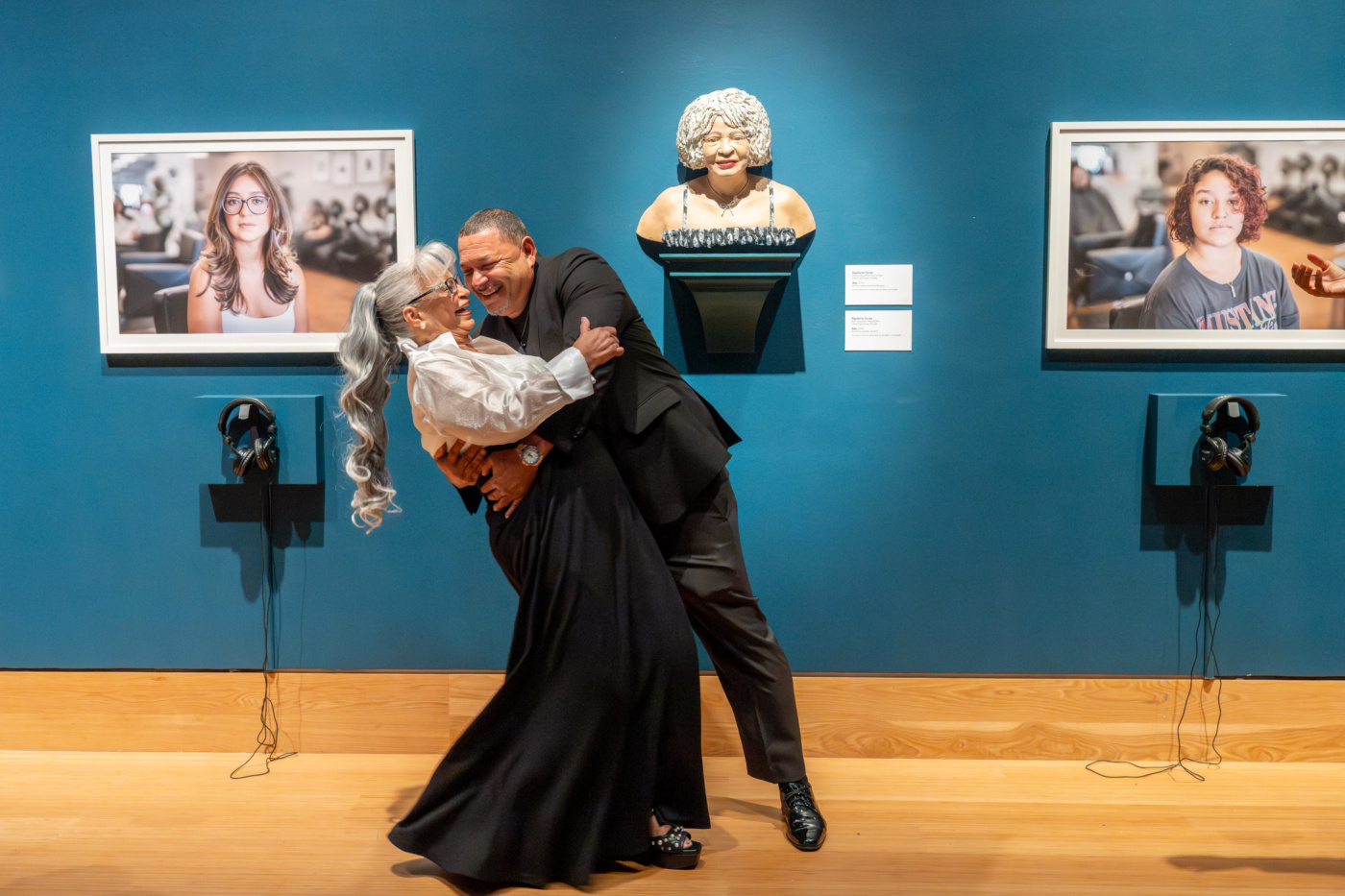
The heart of the show brings together a few social practice artists in an exhibition that also effectively takes community collaboration as a curatorial approach. This gallery served as the site of a retirement party for the community leader it celebrates—Toledo—and works by Karen Arango and Rigoberto Torres honor the stylist and her clients. Torres is internationally recognized for his forty-six-year collaboration with the artist John Ahearn and the plaster and fiberglass public art portraits they made of Bronx residents in the 1980s. On the walls, Arango’s portraits of the salon’s patrons are coupled with poignant photographs she took of the same individuals as children and audio recordings where they openly speak about their heritage. In the audio recording, subject Belén talks about the sizeable Hispanic community in Sarasota and notes that it is why she would never move away, while Aria says that despite the bullying she faced as a child, she is so proud of being Hispanic and argues, “How could anyone ever be ashamed of that?” By pairing artists with community leaders, an intergenerational dialogue unfolds in this show that is rich in both content and form. Nuestro Vaivén offers a novel and timely curatorial approach.
[1] “Census Shows Sarasota and Manatee Counties Growing, Becoming More Diverse,” Sarasota Magazine, August 31, 2021: https://www.sarasotamagazine.com/news-and-profiles/2021/08/census-shows-sarasota-and-manatee-counties-growing-becoming-more-diverse.
[2] FOX 13 Tampa Bay, “ICE resolution approved by Sarasota County School Board,” January 20, 2026: https://www.youtube.com/watch?v=PtgzTb_D5Yg.