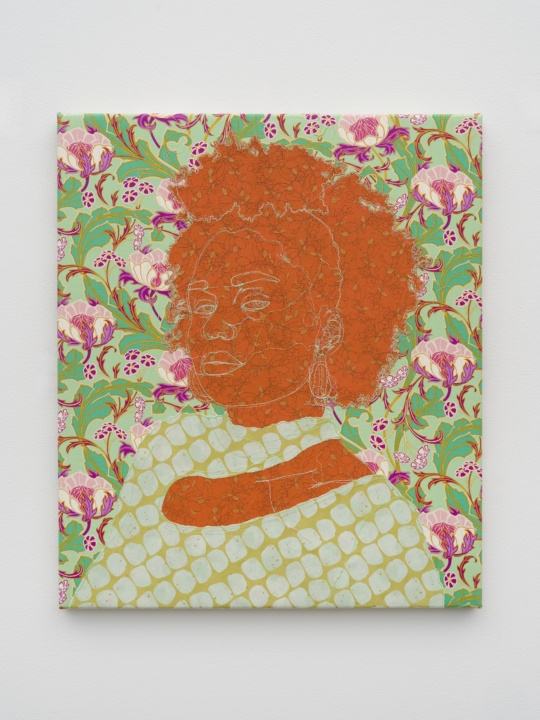
Gio Swaby: Love, Drawn Through The Eye Of A Needle
Natalie Willis Whylly situates diaspora-based textile artist Gio Swaby’s Black feminist portraiture in its original Bahamian context.

Natalie Willis Whylly situates diaspora-based textile artist Gio Swaby’s Black feminist portraiture in its original Bahamian context.
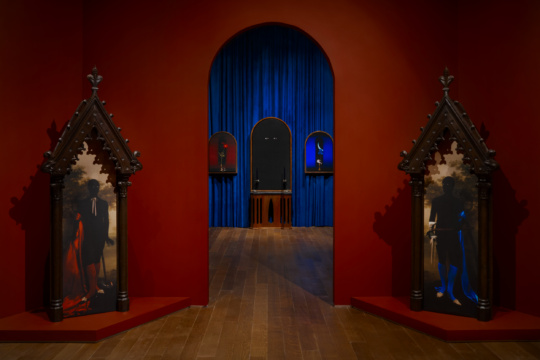
Isabella Marie Garcia analyzes privilege and representation as they relate to depictions of Lucumí and Abakuá spirituality in Cuban art and within Miami museum exhibitions featuring the work of Belkis Ayón and Elliot & Erick Jiménez.

Justin Chance interviews sculptor, writer, and educator Abigail Lucien, who explores language alongside motifs of enclosure and liminal space, in their work.
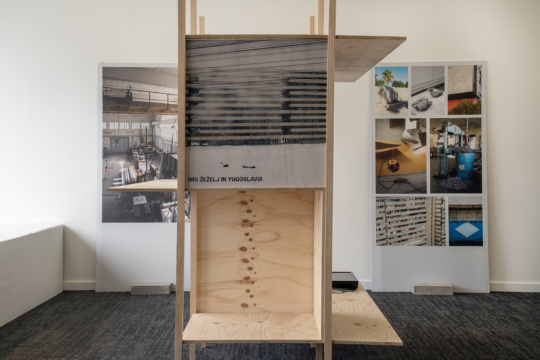
Looking at the work of Carlos Garaicoa, and the architectural exhibition Prefabricating Solidarity at Vanderbilt University’s Engine for Art, Democracy & Justice, Alexandra Martinez traces the lived history of postcolonial Cuban architecture.
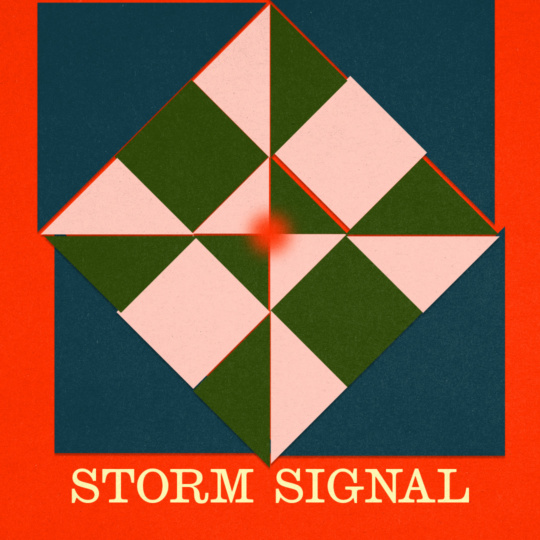
Burnaway announces its 2026 yearly magazine themes: Schoolhouse, Storm Signal, and Sawtooth Star.

For the final release of the Burnaway x CCCADI partnership, Xuxa Rodríguez considers Caribbean diaspora artist responses in the wake of major survey shows highlighting increasing climate precarity in the region.

Luke Urbain reviews the broader reconceptualizations of the ecological found in Caribe Por Venir at El Museo de Arte Contemporáneo de Puerto Rico, San Juan.
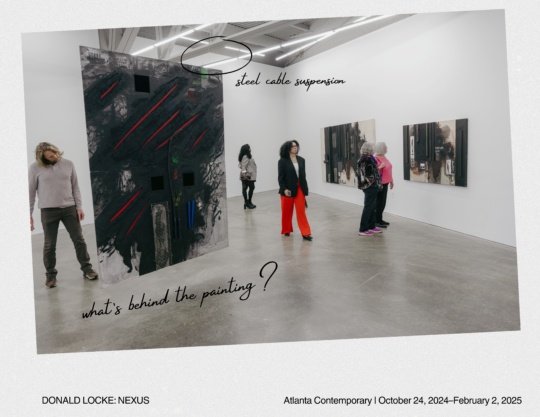
For the next iteration of the Annotations column, Grace Aneiza Ali reflects on her belief about curating as a space of listening through the form of titles, installations, public programs, the artist’s words, and exhibition catalogs.

Mario Andrés Rodriguez writes about Kolektif K2D, a collective of photographers, photojournalists, and filmmakers based in Port-au-Prince, Haiti, for the third installment of Burnaway’s Care In Precarity submissions, a collaborative open call with CCCADI.
