By the time the ink dried on the woodblock print editions that artist Reginald O’Neal produced for Commissioner, the buildings of Rainbow Village seen in the work were partially demolished. O’Neal’s cousin, who models as the young boy shown running toward the structures in the prints, is older now. Even the skyline in the distance morphed into a new landscape of towers and cranes. Translated from a photograph to ink with the help of printmaker Tom Virgin of Extra Virgin Press, O’Neal’s snapshot was already a memory, like the place it captured.
When workers began construction on the Rainbow Village housing project in the 1960s, Miami was less than a third of its current population size, and already paving over its history. The leases for the original 100 units, named for the shades of pastel tones that differentiated each apartment in contrast to the usual antiseptic beige of institutional housing, were offered to a small percentage of the Overtown residents displaced from their homes and properties by the construction of i-95.[1] The Florida government forced the relocation of more than 12,000 Black Miamians living on the west side of the railroad tracks.
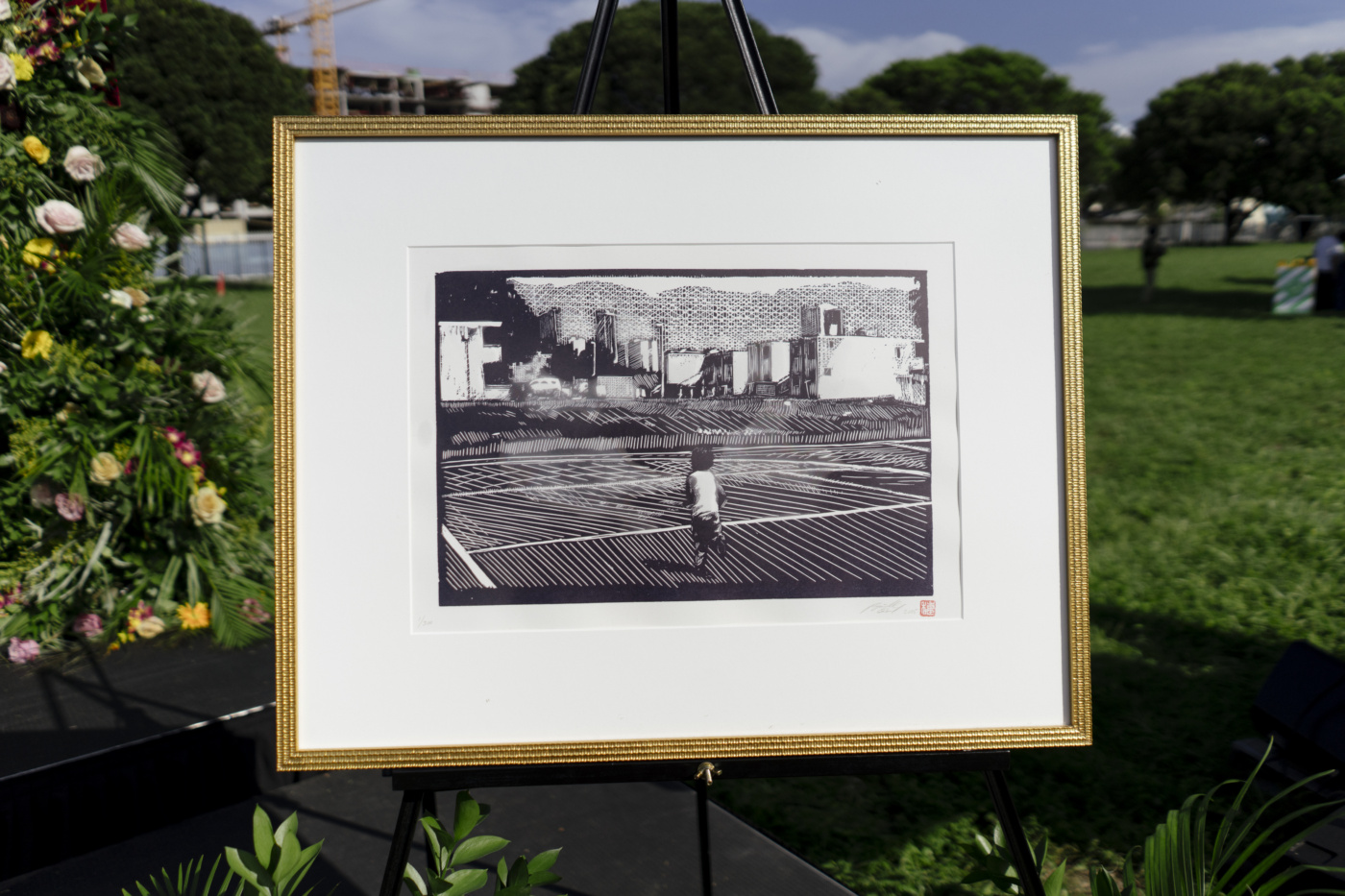
Designed by architect Alfred Browning Parker, who was raised in Florida and focused his architectural practice on residences that were rooted in the local landscape and oriented toward ocean breezes instead of air conditioning, the apartments won a gold medal from National Association of Housing and Redevelopment Officials in 1971. The area around NW Second Avenue that was not destroyed during the construction of the Dolphin Expressway and Midtown Interchange was razed by the urban renewal projects that followed as the population dropped dramatically. Rainbow Village sought to actually keep longtime Overtown residents in the area, offering new residences just a couple of blocks from the highway system that displaced them. The title of O’Neal’s print, 20th Street, is a reference to the cross street near where O’Neal took the image which leads to I-95. “It was emotional for me and many others to see it come down, to see the rooms gutted and open to the air like that,” O’Neal describes.
As residents settled into their new homes at Rainbow Village in the 1970s, it became a site of community and memory for new generations of Miamians like O’Neal, who grew up in Rainbow Village from 1997 to 2021. His parents met and shared their first kiss in the community. “I think being inside of my neighborhood, I was surrounded by art,” O’Neal said, describing how different family members’ and neighbors’ drawing and music backgrounds, and his mother’s photography practice, informed his attraction to painting as a documentary practice.[2]
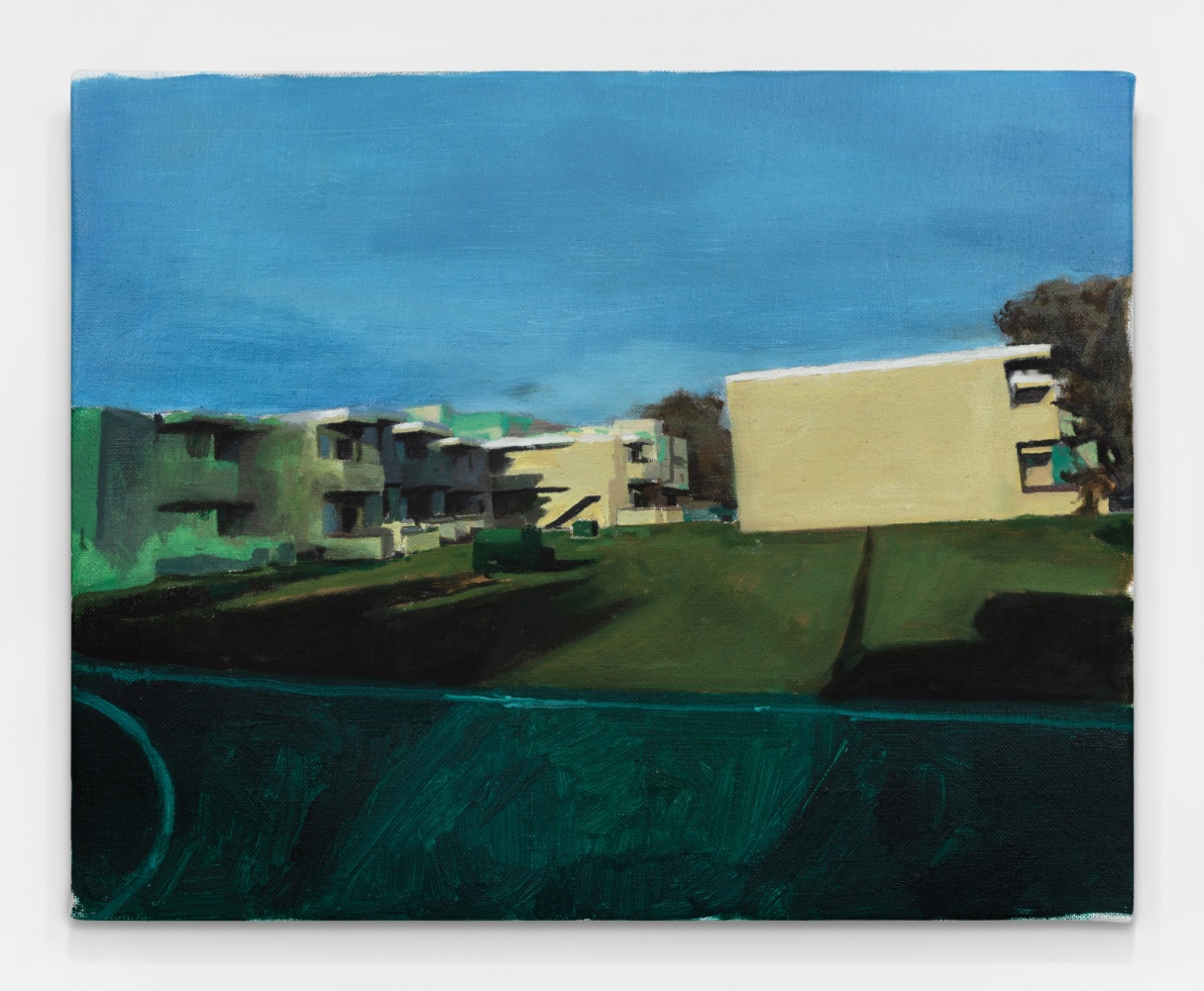
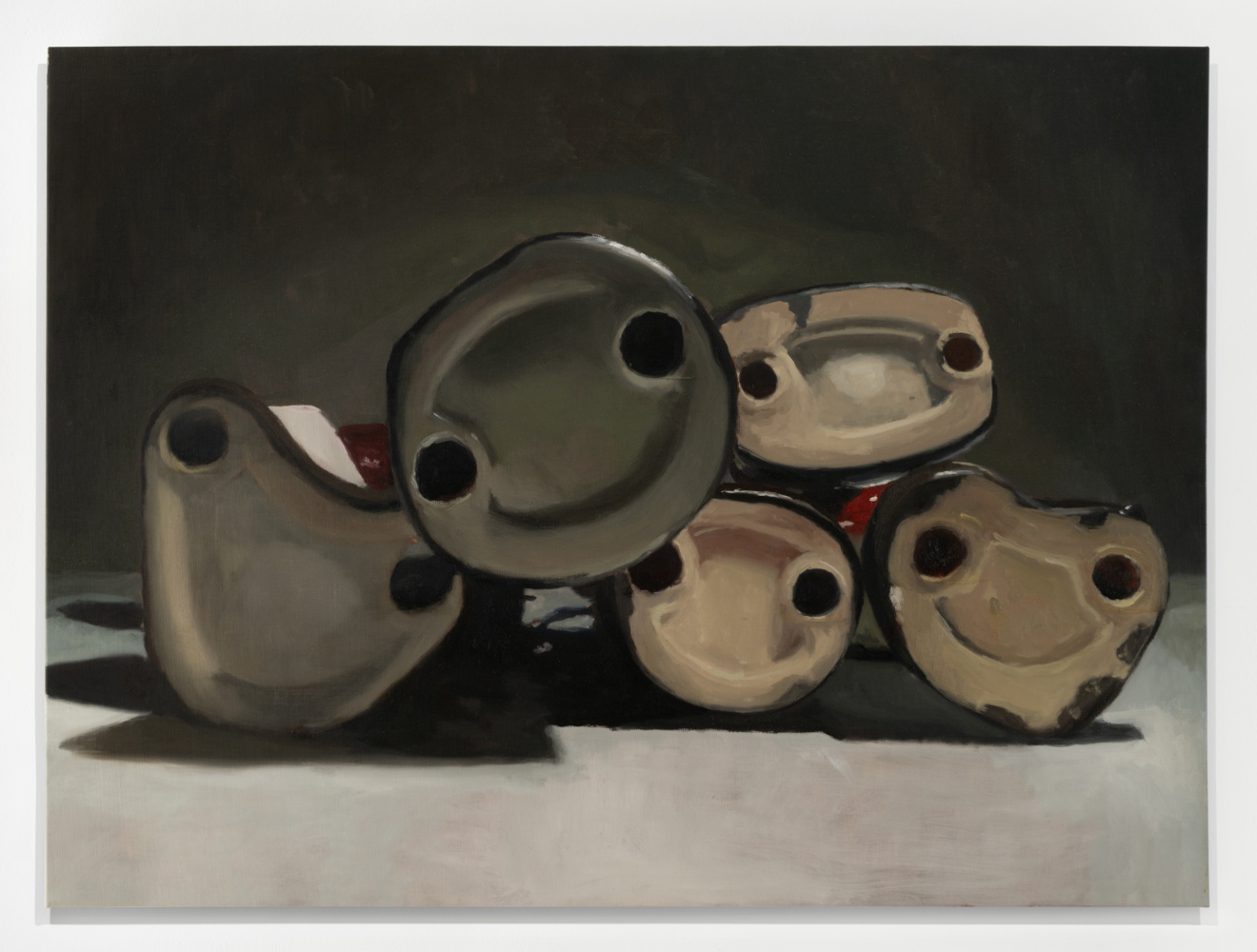
Most of O’Neal’s paintings start as photographs. “We had a lot of photobooks, and I used to look through them all the time. It was just innately what I paid attention to, these stories that I would see in my head based off of looking at old pictures of my family and the neighborhood around me,” he notes. O’Neal’s work across painting, photography, and sculpture tackles the context and history of Overtown. The Performance (2022-2025) drew on the neighborhood’s history as a cultural hub through careful composition and positioning of a series of porcelain figurines of Black jazz musicians that O’Neal found in a New Orleans vintage shop. O’Neal’s paintings like Drum Circle (2024) and Bottom of the Soulless (2024) present the band glossy and frozen in performance, recalling both portraiture and posed toys in play, as well as the long history of caricature-like souvenirs of Black bodies. Shown as disembodied, O’Neal’s zoomed-in compositions of the small figures point at the commodification of Black creativity through an object originally made as a tourist souvenir, once collected and now displayed inanimately on a curio shelf.
Distributed in October 2025 at a Sunday service hosted by Commissioner at the former location of Rainbow Village, O’Neal’s print editions were gifted to dozens of families displaced by the redevelopment, community members who formerly lived in the housing, as well as those who had paid into Commissioner’s 2025 collecting pool. The work asks each recipient to take an active role in stewarding the history of these housing blocks within the personal museums of their homes, wherever those walls now happen to stand.
“Collaborative funding for artist-led projects is truly the hope."

“Commissioner really does a great job of flipping the art ecosystem upside down,” O’Neal shared. “Dejha’s vision is to allow everyone to belong. Art collecting and making and appreciation, and the stories all that holds.”
Dejha Carrington is the founder of Commissioner, a Miami-based arts organization which adapts the membership model to decentralize art advising and make collecting more accessible. Commissioner members pay fees each year, and with a full commitment receive four editioned pieces by an artist Carrington and her team hand select. O’Neal and Carrington hope that this commission will become a kind of collective memory-keeping project, as the prints find new homes on the walls of former residents and engaged Miami collectors alike.
“Reggie is a very commercially successful artist, and I don’t know how many of us would be able to go directly into the gallery and purchase his work outright,” Carrington shared.[3] “There is a point of pride there in knowing that we’re participating in this journey, but also supporting Reggie significantly at this moment in his career, letting him know that his community is behind him. All of a sudden, each one of us owns an original O’Neal. Then when we see his work in a major museum, I hope we think about how we are also participating in this journey with him. It’s also a reframing around what collecting in a domestic space can look like, in following the legacy of house museums.”

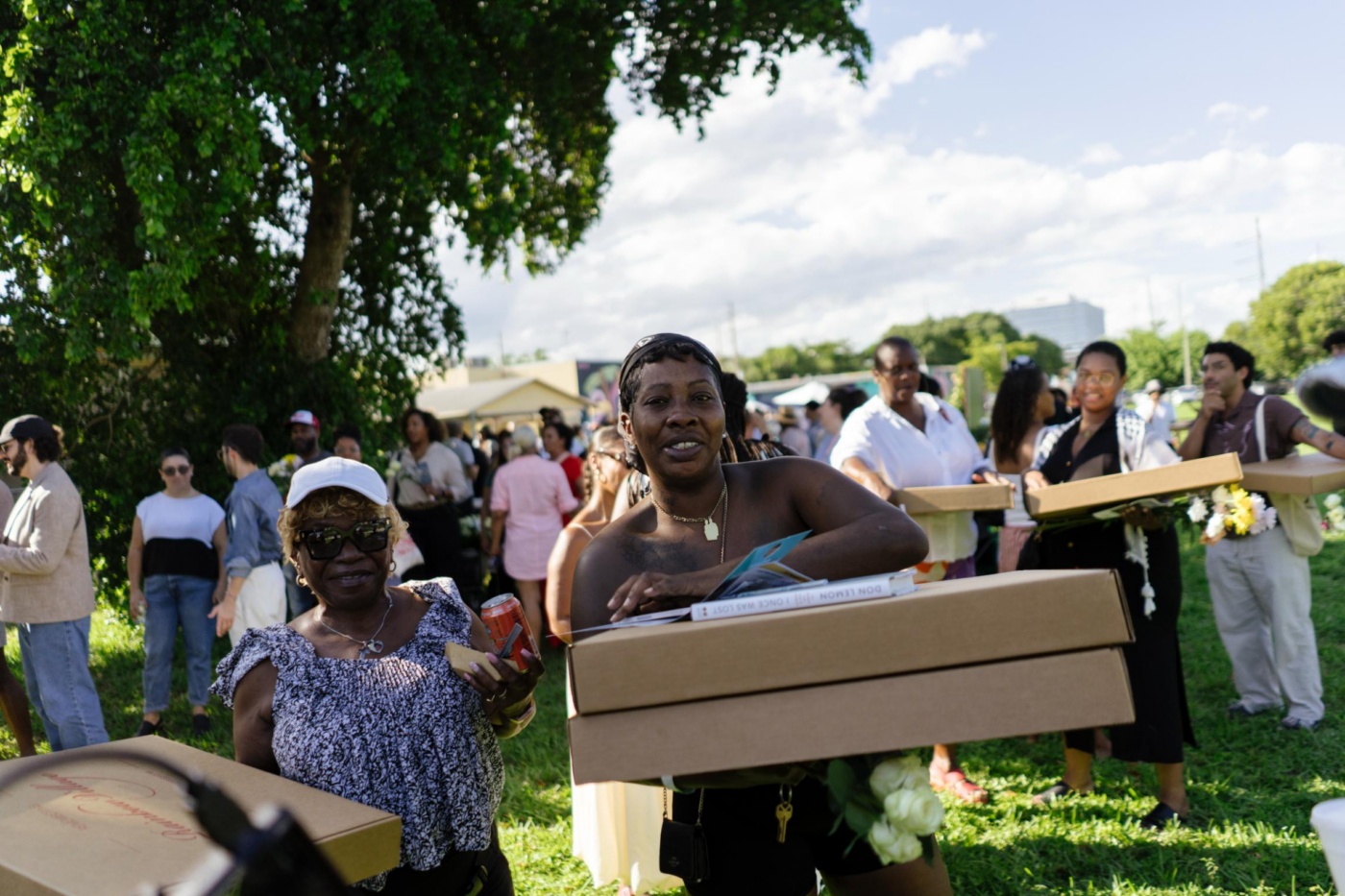
Because the funding operates like a grant but requires no application, selected artists have leeway in deciding what they want to make for the commission. “Collaborative funding for artist-led projects is truly the hope,” said Carrington. “Ideas around mutual aid have always existed. We trust our artists completely; it is a mystery commission because we don’t want them to have to explain everything. We want to give you the resources to make your best work, and opportunities to test in a way that is released from the transactional model.”
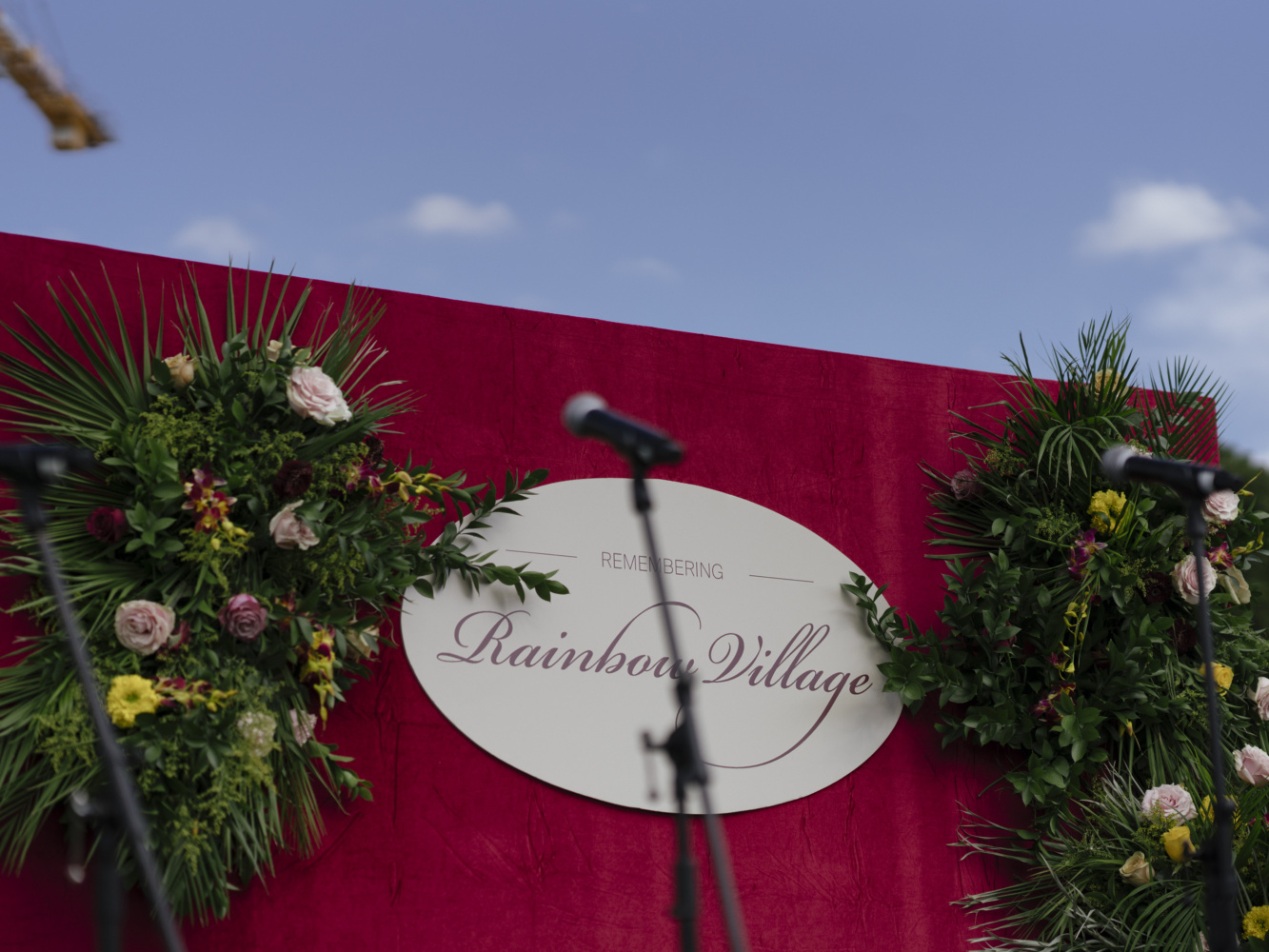
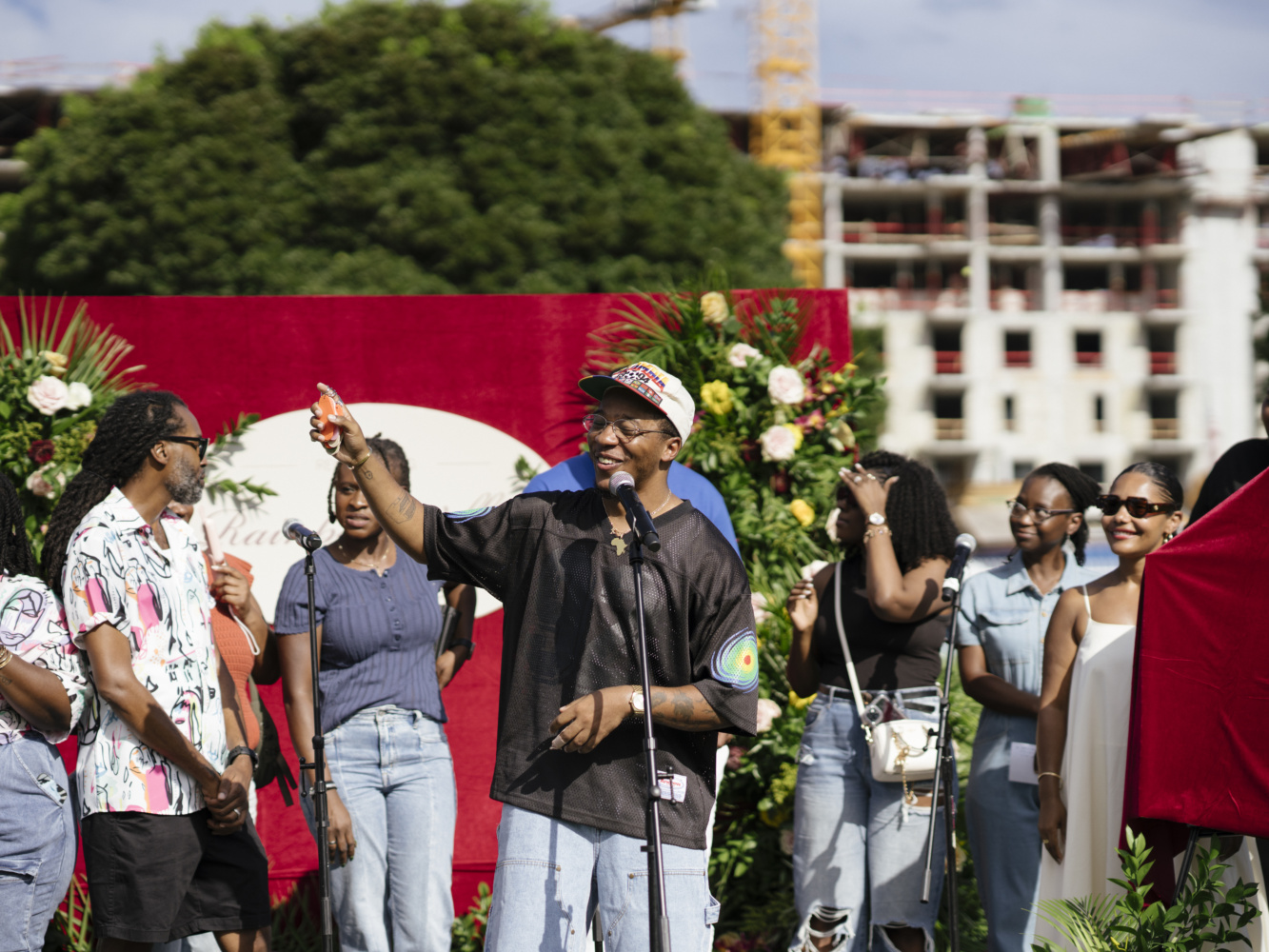
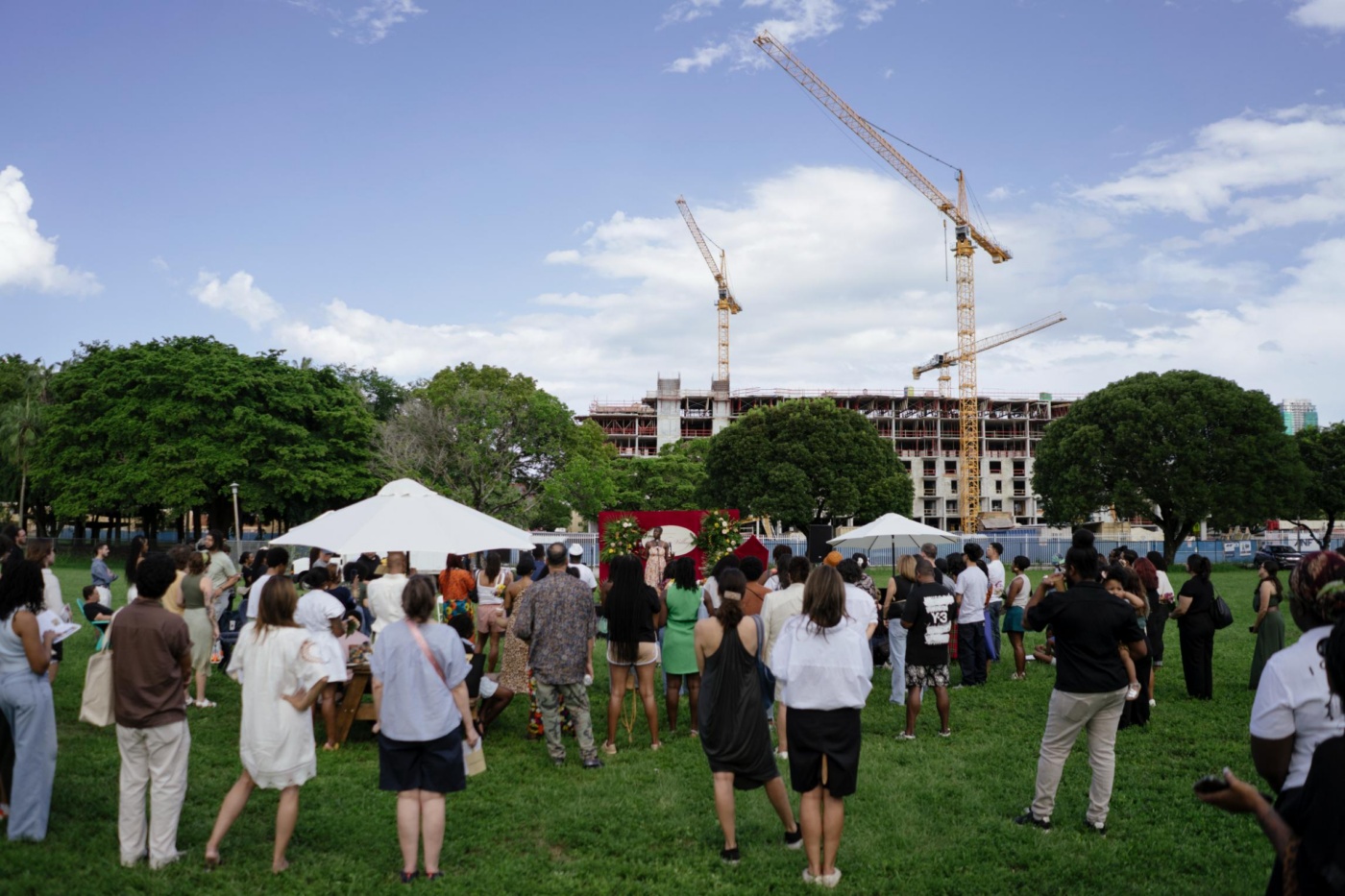
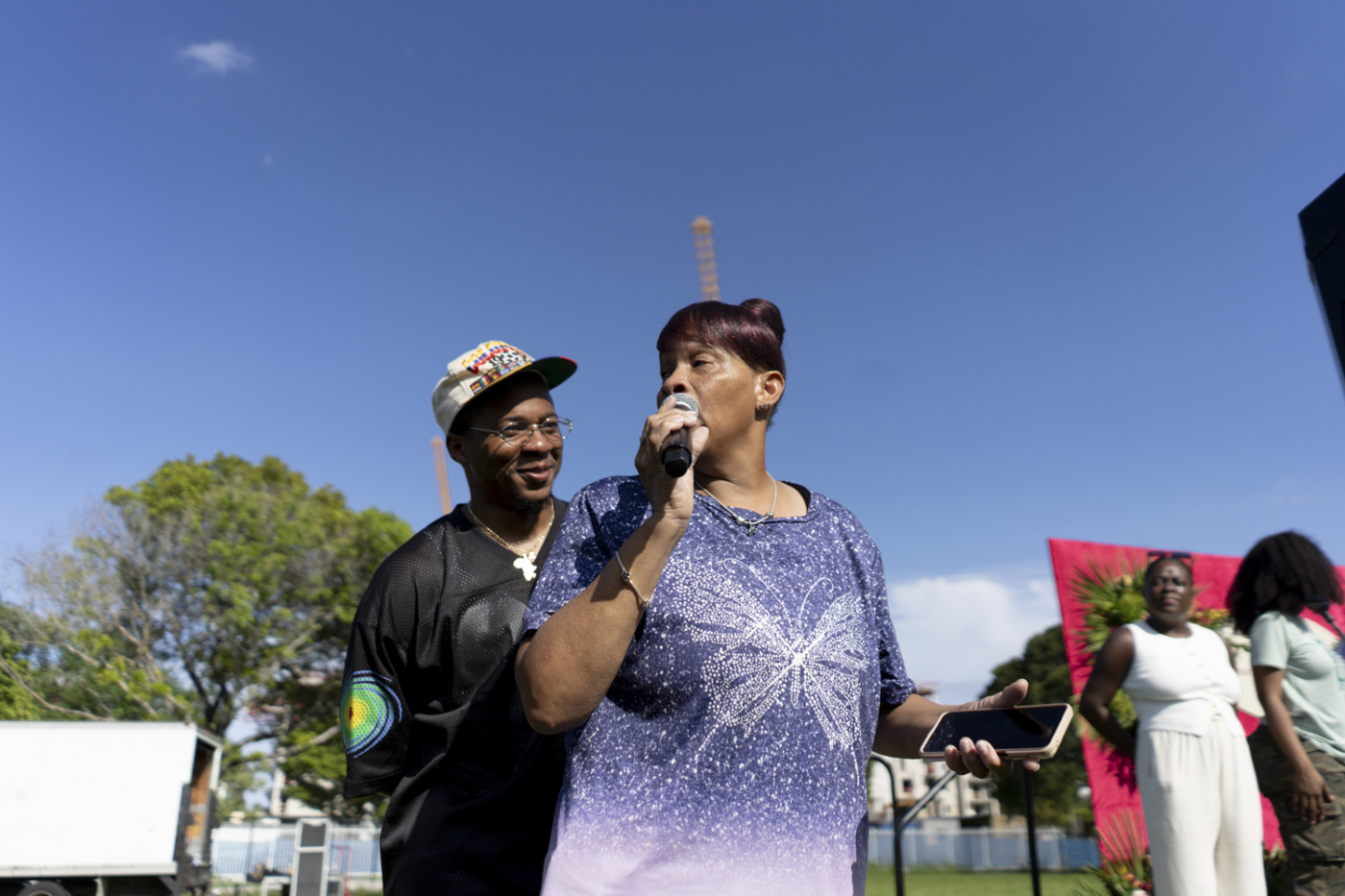
O’Neal faced several personal challenges and delays during the process of creating the edition, and expressed gratitude for Commissioner’s flexibility as he made the deeply personal print. “I looked one day when it was half gone and all these rooms felt so small, exposed to the air like that.” Though the building was demolished before the work was complete, Commissioner opted to host a “memorial service” to the structures as a part of the release. Construction on the new development, which will also be called Rainbow Village and include units designated for residents making less than the median income in the area, stopped as the Community Sounds choir sang gospel music, and writers Nadege Green and Arismmer McCoy offered tributes to the recently razed structures.[4] Like a funeral for a life well lived, Rainbow Village was honored with joy and memory-sharing that softened the blow of its loss, if only for a moment.

[1] Vallières, B. (2025, December 10). Remembering rainbow village: Miami artist honors demolished Overtown Housing Project. The Miami Times. https://www.miamitimesonline.com/lifestyles/remembering-rainbow-village-miami-artist-honors-demolished-overtown-housing-project/article_55b502ad-648b-4e0e-aca0-43442a7494a4.html.
[2] Interview with Burnaway Magazine, January 26, 2026.
[3] Ibid.
[4] Dodd, B. C. (2025, February 13). Affordable Housing Development “Rainbow Village” starts construction at 2000 NW 3rd Ave, Miami FL, 33127. Florida YIMBY. https://floridayimby.com/2025/02/affordable-housing-development-rainbow-village-starts-construction-at-2000-nw-3rd-ave-miami-fl-33127.html.