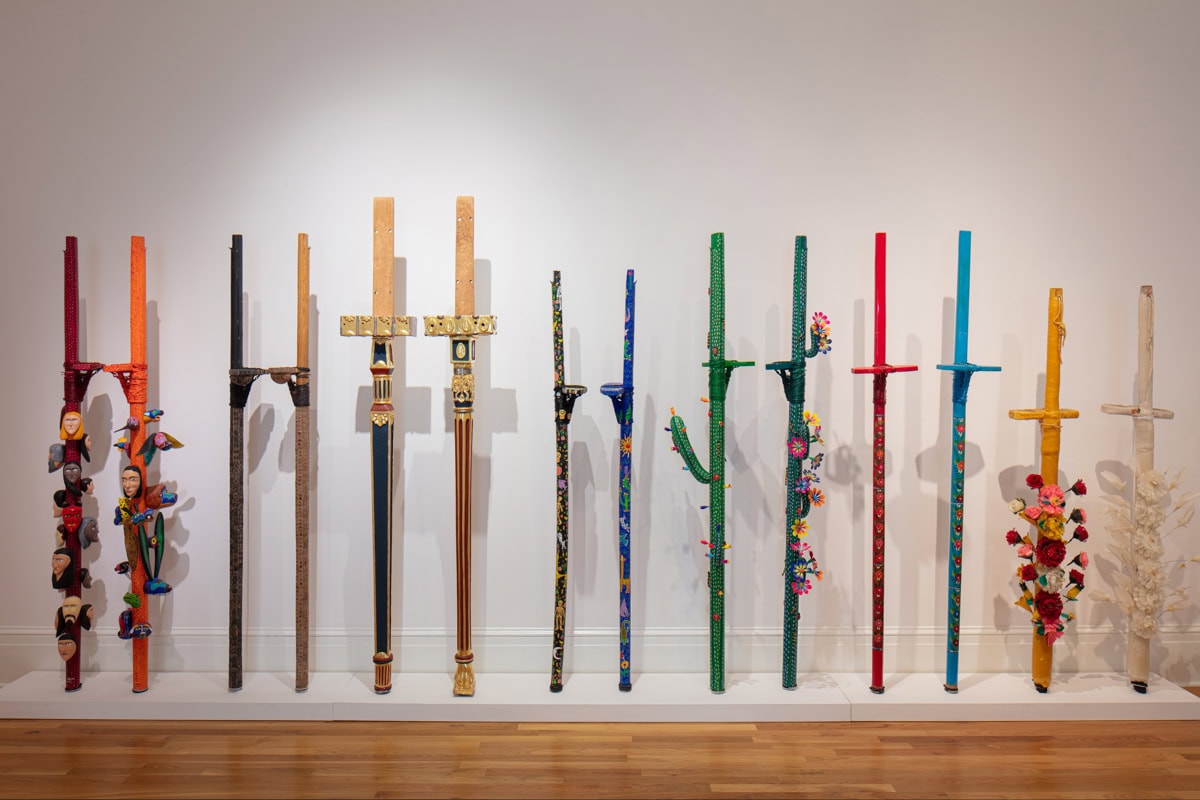
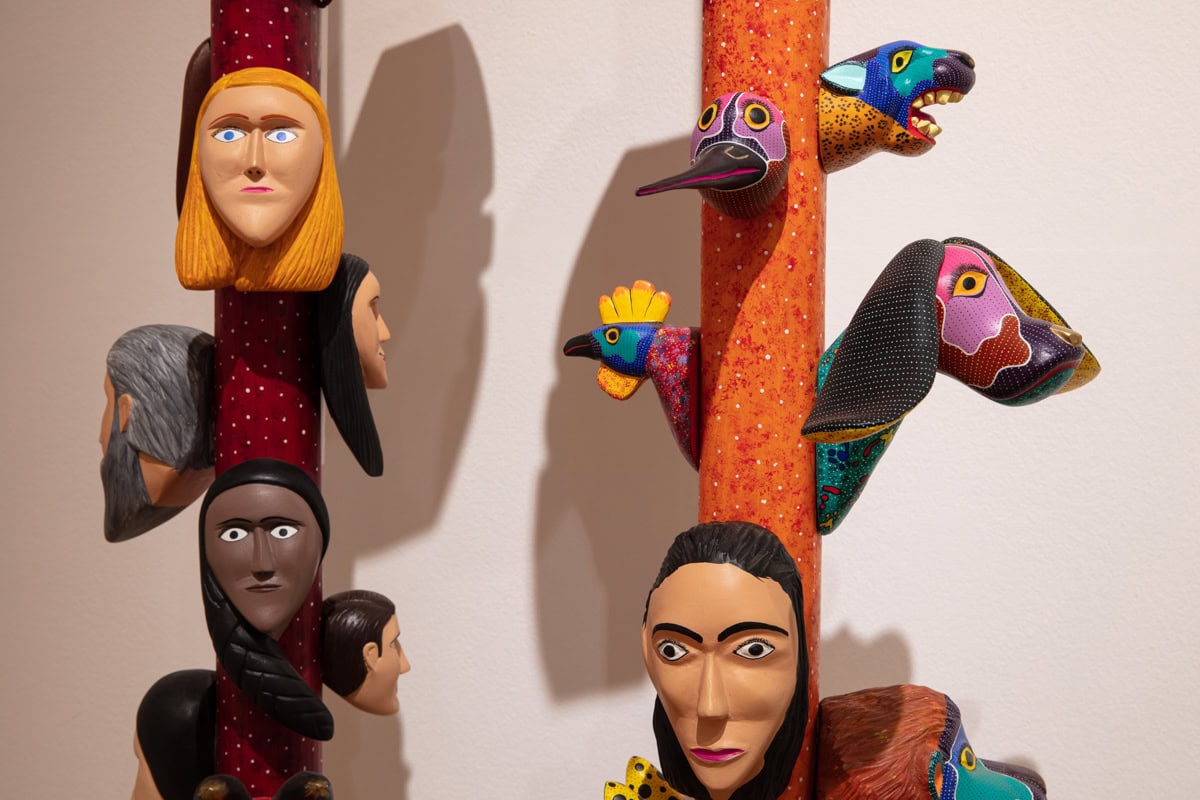
Laura Anderson Barbata with Don José Mendoza (stilts), Jesús Sosa Calvo, and Juana Ortega Fuentes (artisans), Masks / Mascaras, 2012; carved and painted wood; created using the traditional alebrije techniques from San Martín Tilcajete, Oaxaca, dimensions variable. Courtesy the artists.
ADVERTISEMENT
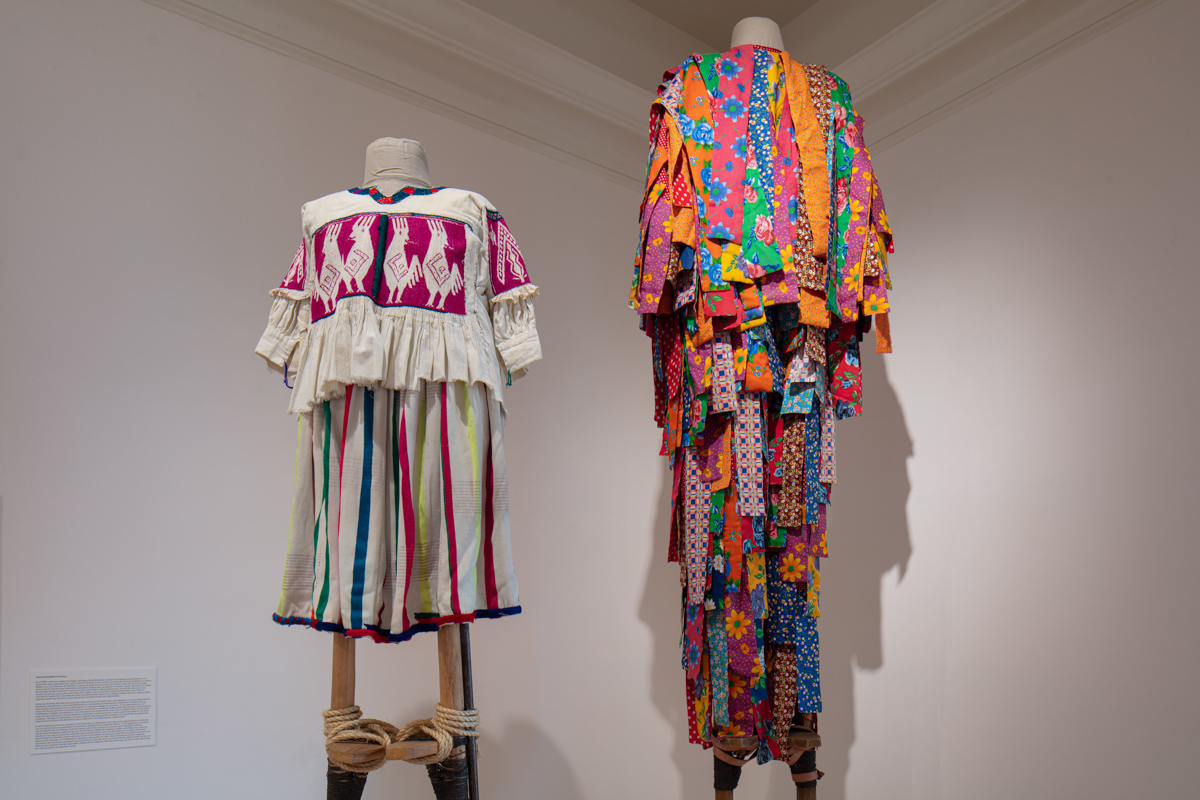
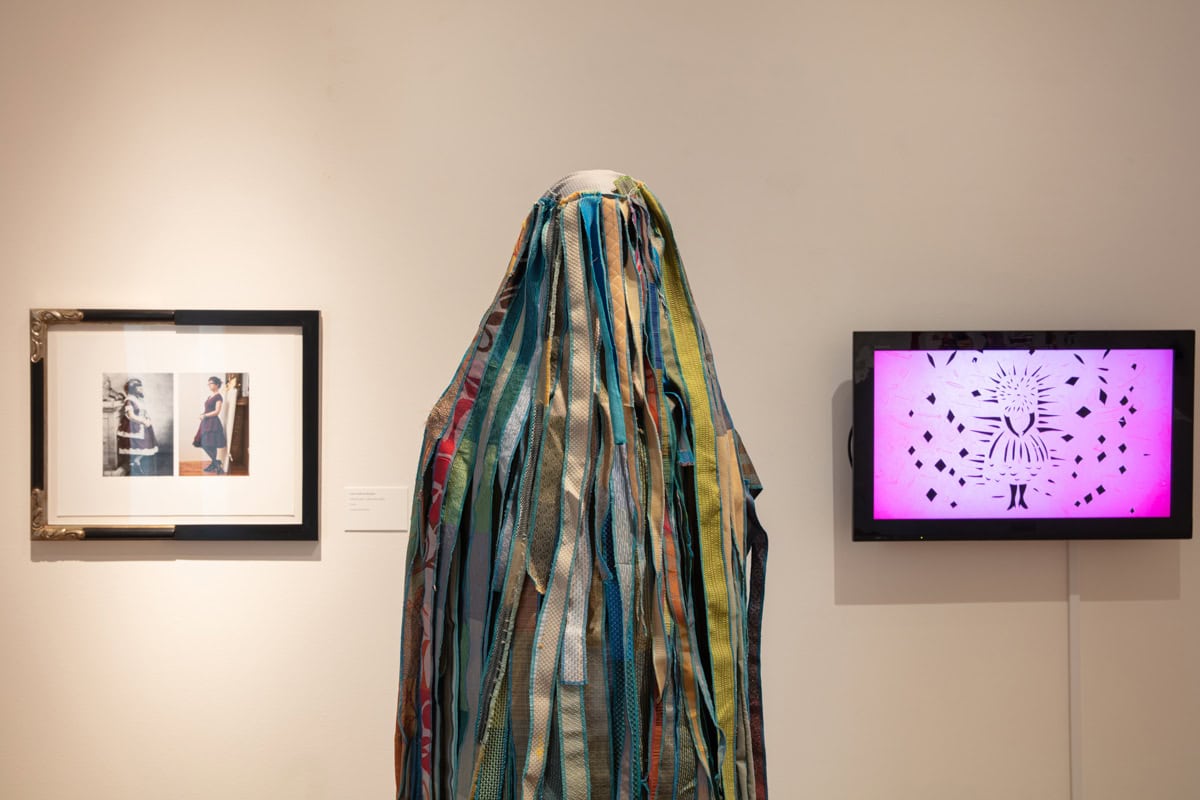
Laura Anderson Barbata with Don José Mendoza (stilts), Beto Ruiz (artisan), and Remigio Mestas (textiles), Exhibition detail of Transcommunality, 2021. Courtesy the artists.
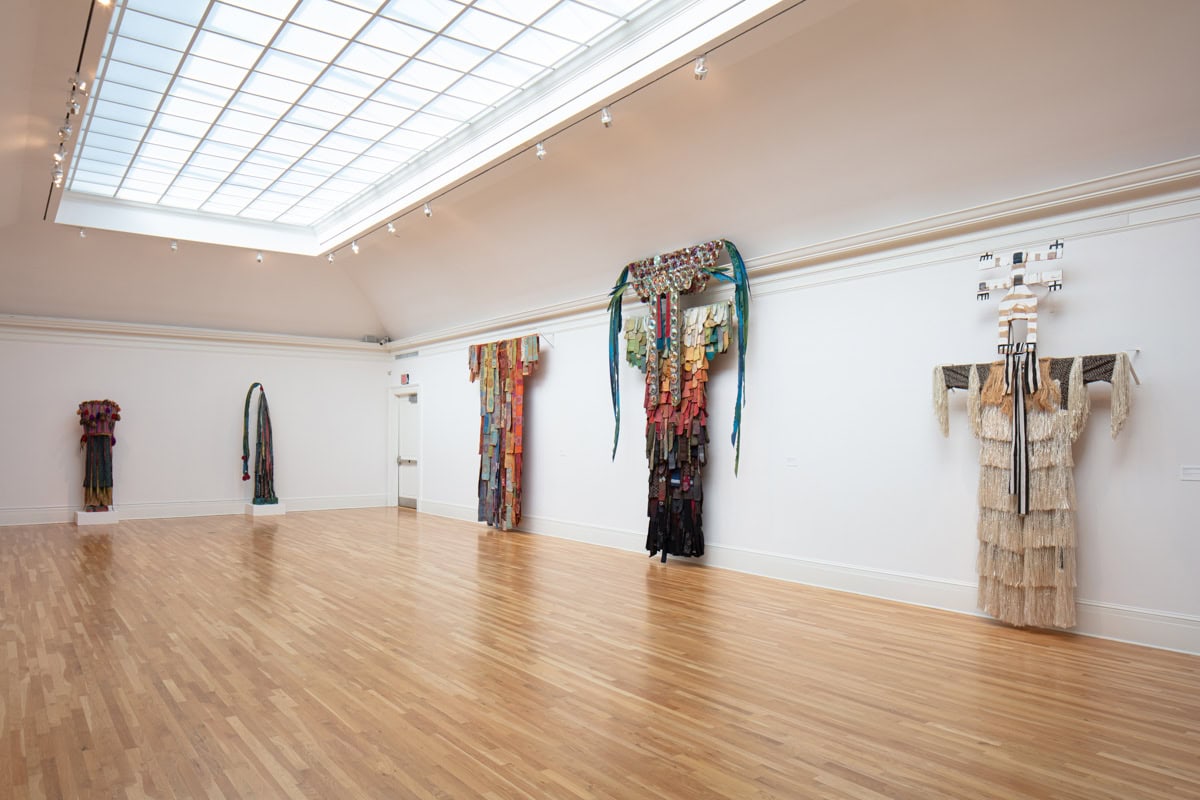
Laura Anderson Barbata et al., Exhibition detail of Transcommunality, 2021. Courtesy the artists.
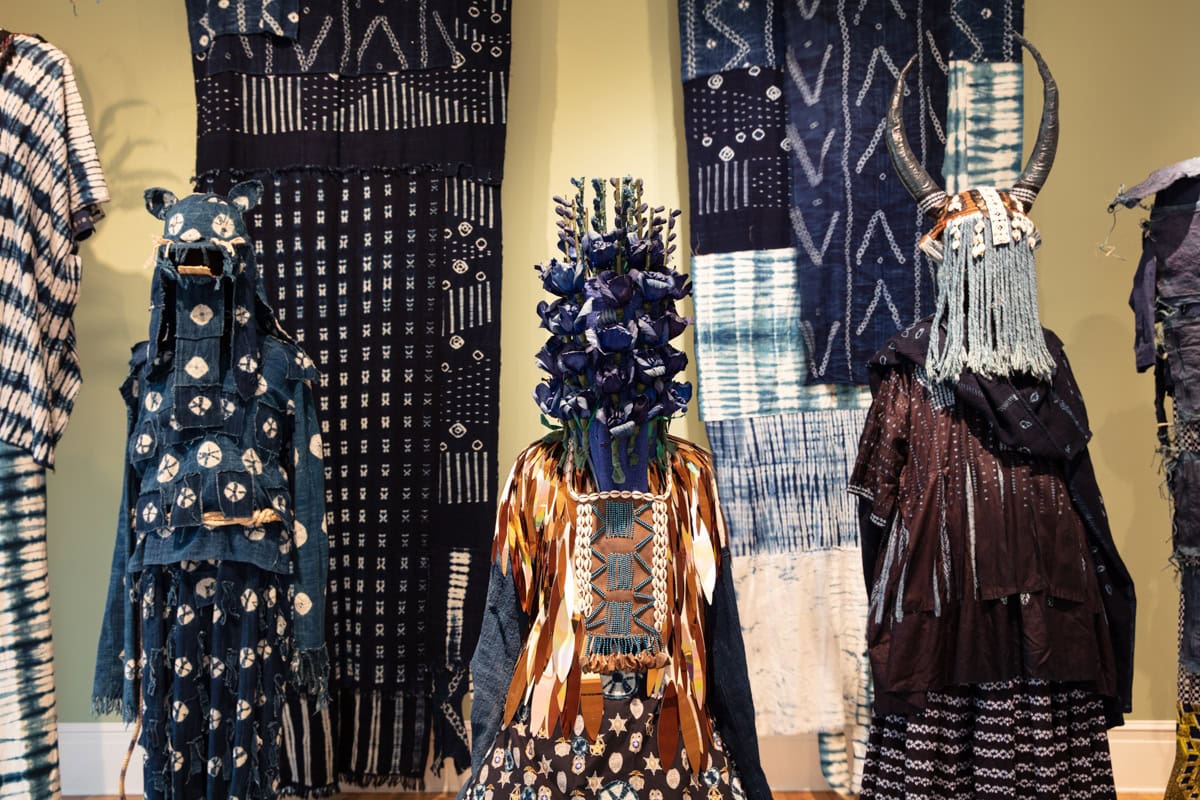
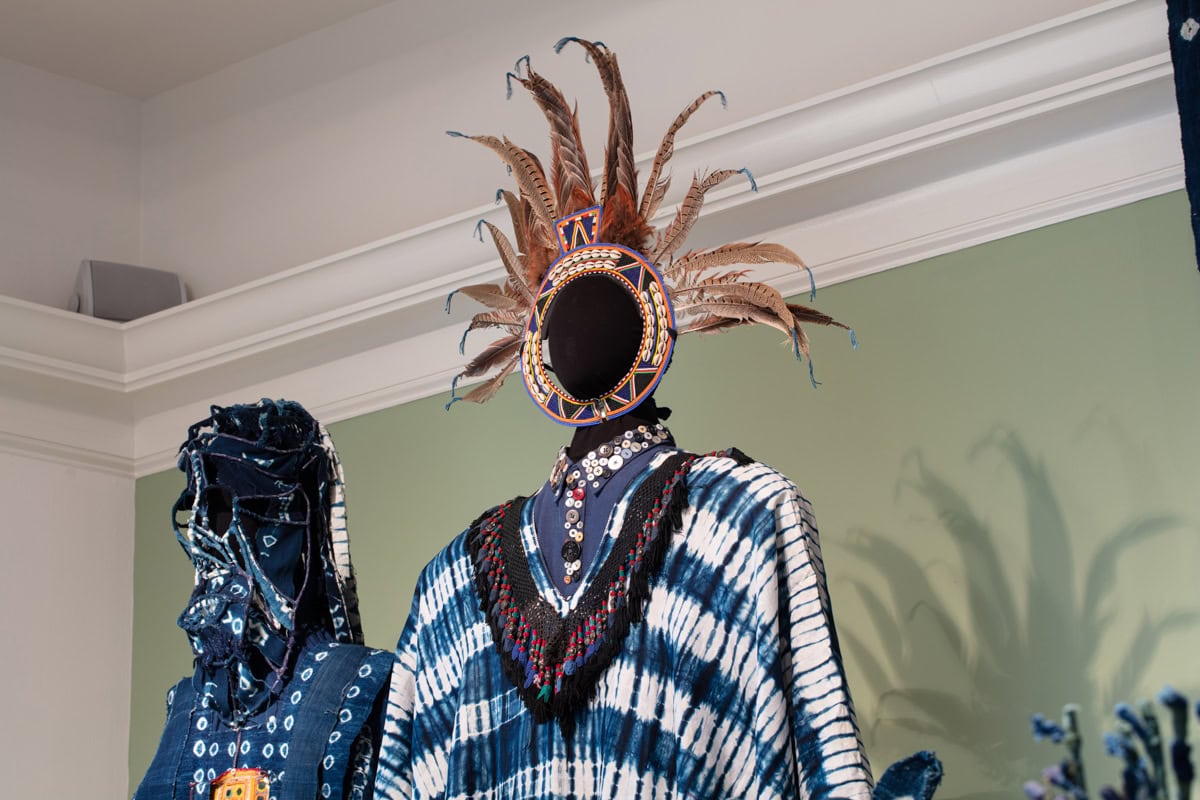
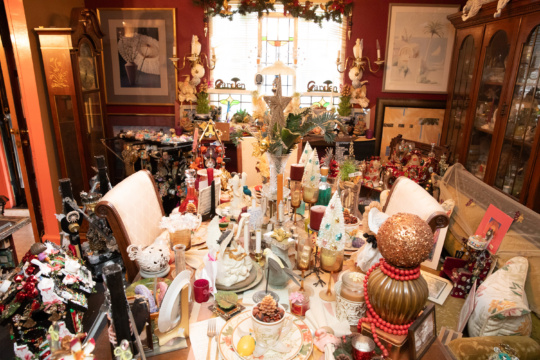
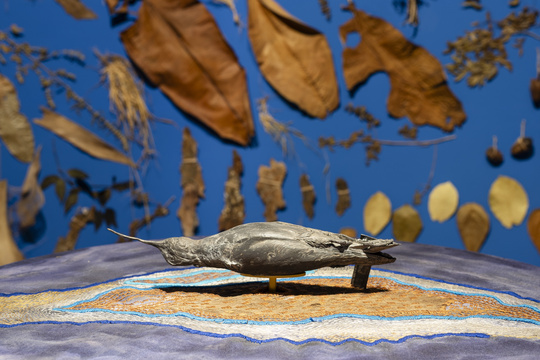
Transcommunality focuses on five collaborations that Laura Anderson Barbata has made across the Americas and presents them together for the first time. Though varying in process, tradition, and message – each of these collaborative projects emphasizes Anderson Barbata’s understanding of art as a system of shared practical actions that has the capacity to increase communication around topics of cultural diversity and to create sites of human connection or belonging.
Transcommunality offers a space to contemplate ritual, folklore and impact of the natural environment on culture. It equally centers oral histories and the interdisciplinary academic thought that shapes Anderson Barbata’s engaging creations.
from the exhibition text
Laura Anderson Barbata et al., Exhibition detail of Transcommunality, 2021. Courtesy the artist.
Laura Anderson Barbata, Little Jaguar, 2015; hand-woven indigo-dyed cotton textile by Habibou Coulibaly, courtesy of L ́Aviva Home; indigo-dyed cotton by Hannah Bennett, courtesy of University of Wisconsin, Madison; plastic, fabric-maché, sisal rope, t-shirt, brass bells and leather, dimensions variable. Courtesy the artist.
Laura Anderson Barbata et al., Exhibition detail of Transcommunality, 2021. Courtesy the artist.
ADVERTISEMENT
Laura Anderson Barbata et al., Exhibition detail of Transcommunality, 2021. Courtesy the artist.
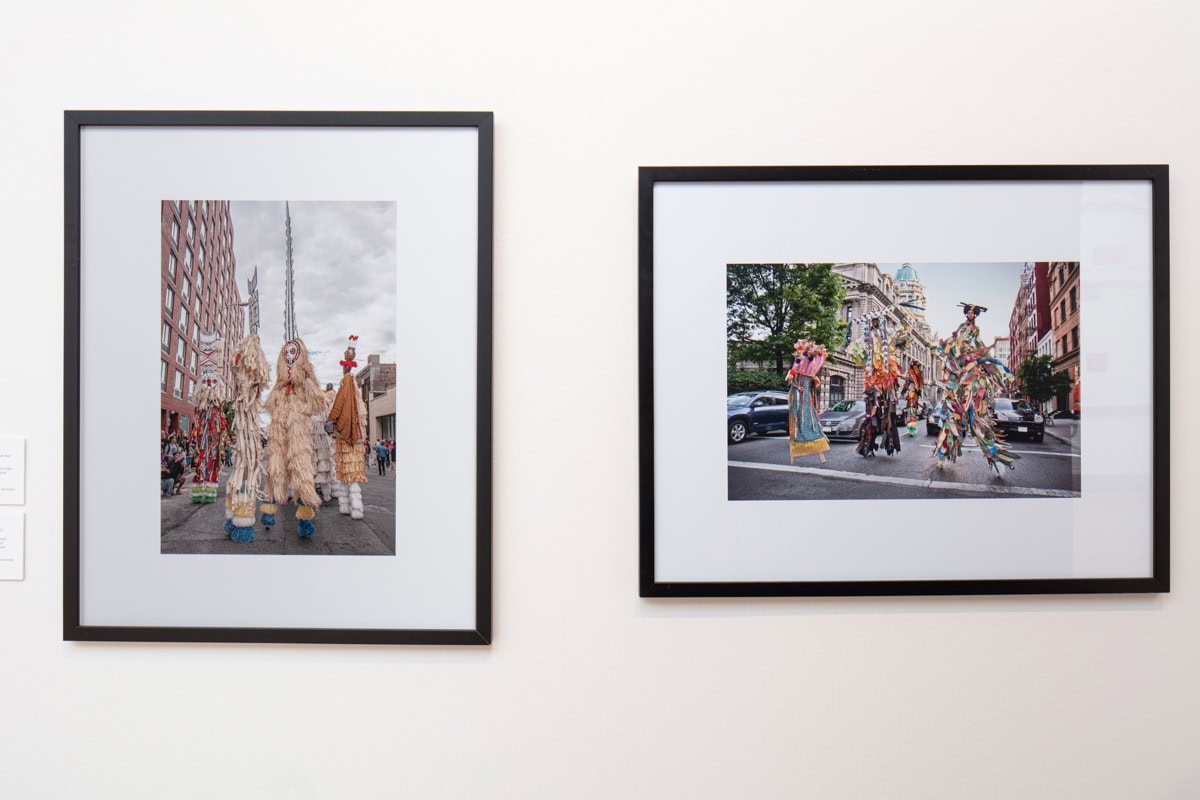
Laura Anderson Barbata et al., Exhibition detail of Transcommunality, 2021. Courtesy Laura Anderson Barbata and Frank Veronsky.
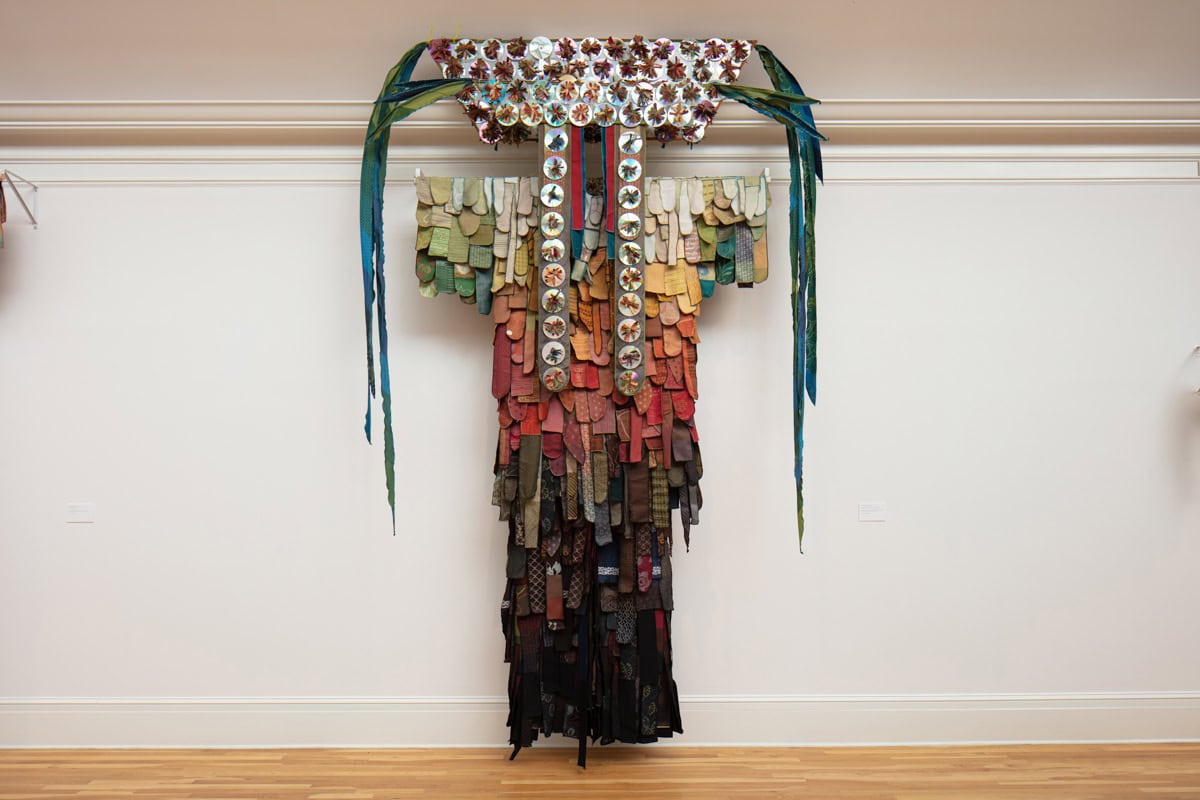
Laura Anderson Barbata, El Señor de Aztlán / The Lord of Aztlán, 2008; recycled textiles courtesy of Victor Group, CDs, thread, yarn, fiberglass, aluminum, polycarbonate, dimensions variable. Courtesy the artist.
Laura Anderson Barbata (concept, sewing and assembly) with Martín Melchor (alebrije), Paula Sánchez, and Florencio Fuentes (puppies), Dog Alebrije / Mama con perritos, 2011 – 2012; carved and painted wood, various cotton fabrics, thread bracelet from San Juan Chamula, dimensions variable. Courtesy the artists.
ADVERTISEMENT
Laura Anderson Barbata et al., Exhibition detail of Transcommunality, 2021. Courtesy the artists.
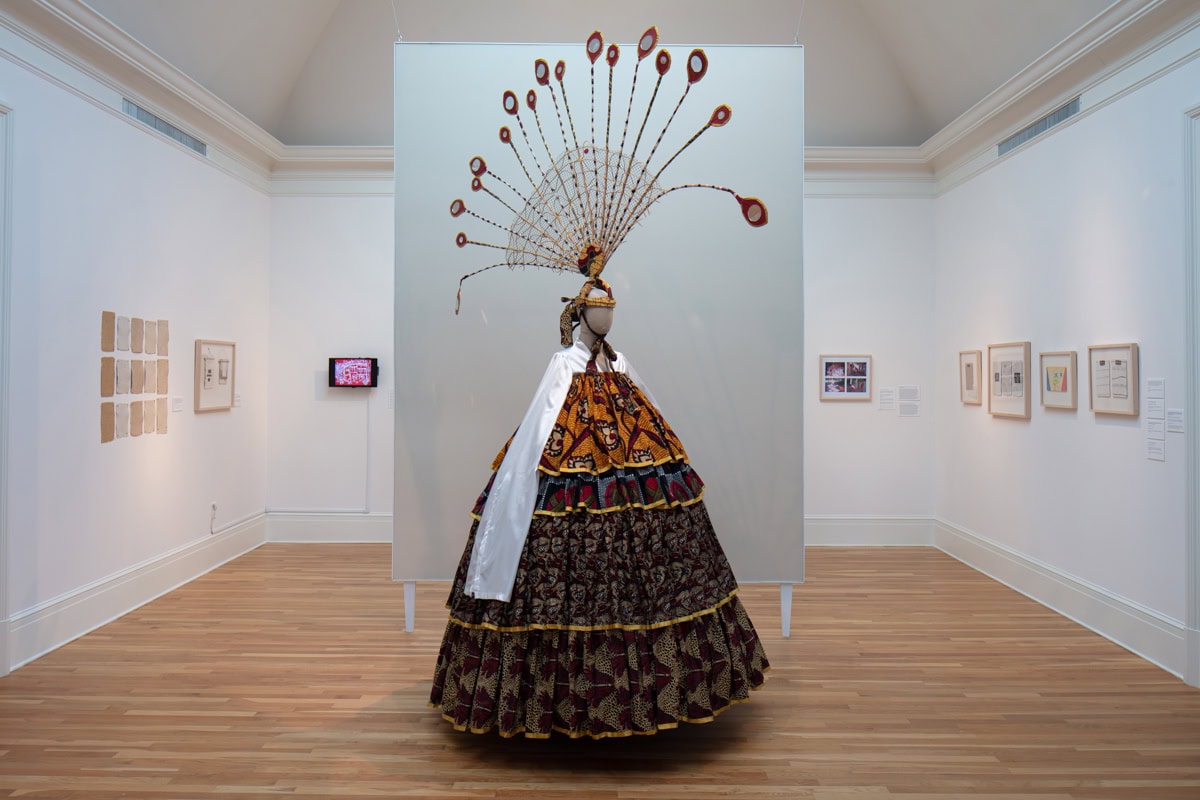
Laura Anderson Barbata with the Moko Jumbie Keylemanjahro School of Arts and Culture and Ronald Guy James, Queen Nyame / Reina Nyame, 2005-2007; various textiles, cotton fabric, wood, cane, fiberglass rods, mesh, decorative trim, mirrors, paper mâché, paint, dimensions variable. Courtesy the artists.
Laura Anderson Barbata, Julia Pastrana thinking of Daphne / Julia Pastrana pensando en Daphne, 2010; recycled textiles courtesy of Victor Group, silk, dimensions variable. Courtesy the artist.
Annie Moye writes about the environmental and communal ethics of artist Yvette Gunn, whose sculptural practice of building birdhouses in her garden honors the natural world.
Bryn Evans joins Marguerite (Margy) Adams and Joslyn Gardner—the cofounders of Emory University’s Black Feminist Working Group—to discuss The Ballad of Suzanne Césaire (2024) and the film's engagement with sound and camouflage.
Daisy Gould considers facsimile and displacement in a Caribbean context, reviewing the work of Barbadian artist Annalee Davis for the 61st Venice Biennale.
Subscribe to BurnawaySign up to recieve the Burnaway newsletter and get notified about upcoming events and opportunities.* required field
 ADVERTISEMENT