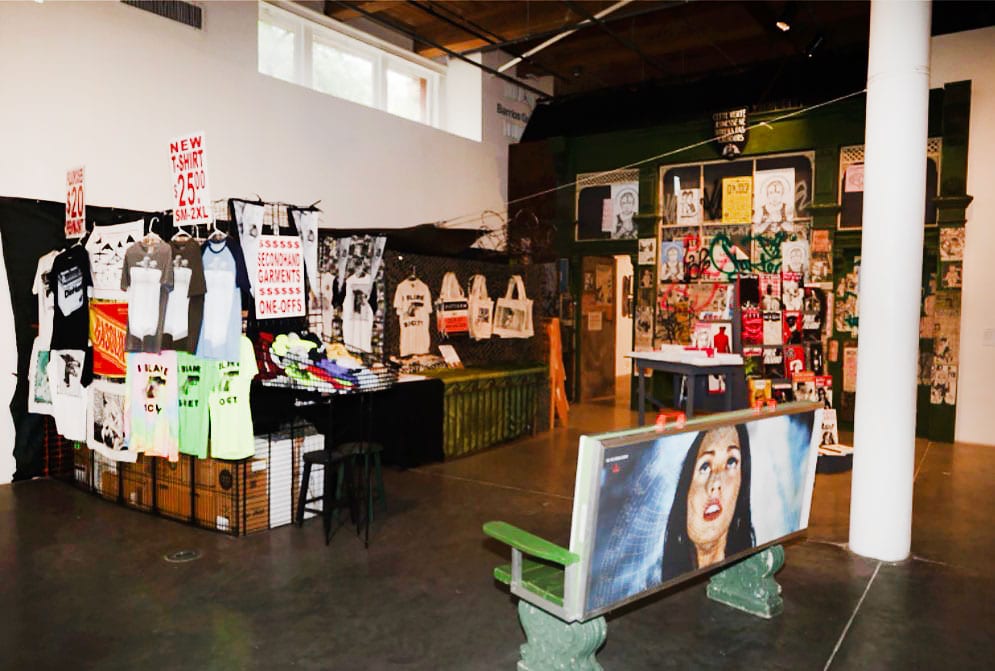
FESTIVAL/NEW/WORKS at the Contemporary Arts Center featured the work of eighteen artists practicing in the state of Louisiana. Established and emerging artists were presented together with their works in conversation with one another and those that surrounded them. Separated into three “stages,” the pieces that made up this freewheeling, but ultimately cohesive and exciting showing varied greatly in form, scope and subject matter. I spoke with curator DiQuan Forcell on his work with the exhibition.
This interview has been edited for length and clarity.
Kristina Kay Robinson: FESTIVAL/NEW/WORKS was conceived around highlighting fifty years of CAC, right?
DiQuan Forcell: Yes, this show celebrates the past fifty years of the CAC while also asking what the next fifty years of artistic experimentation might look like. Throughout its history, the CAC has been a place where artists could take risks, build careers, and introduce new ideas to New Orleans.
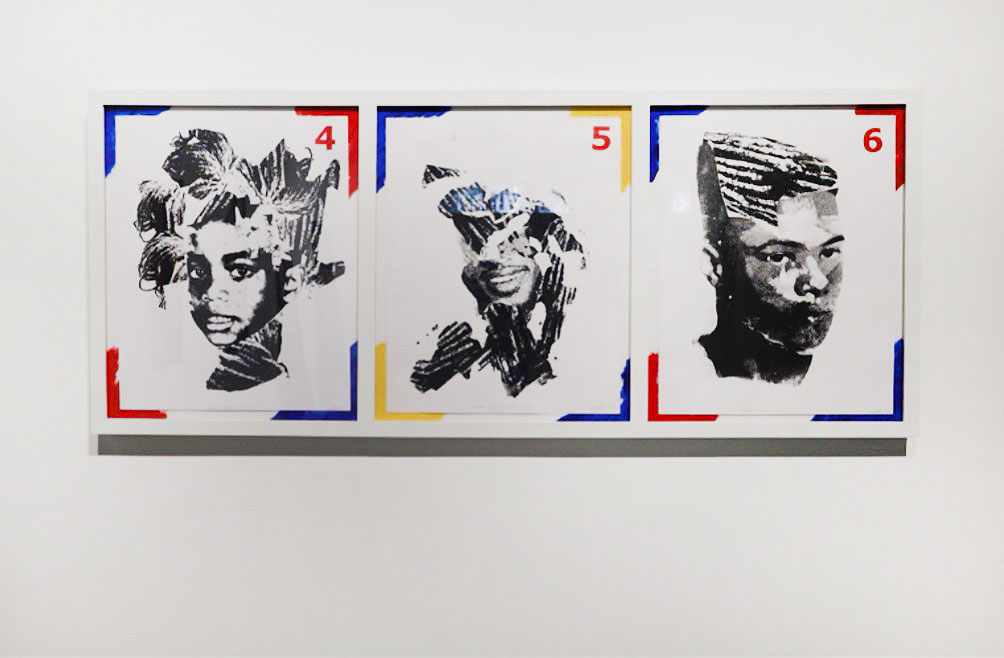
Image courtesy of the artist and The Contemporary Arts Center of New Orleans.
KKR: What was your thinking around the organization as a curator?
DF: As a curator, I wasn’t interested in simply looking backward. I wanted to honor that legacy while presenting artists who continue that spirit of innovation. If you ask people throughout New Orleans about the CAC, almost everyone has a memory connected to this building. That history belongs to the community, and I wanted this exhibition to feel like another chapter in that ongoing story.
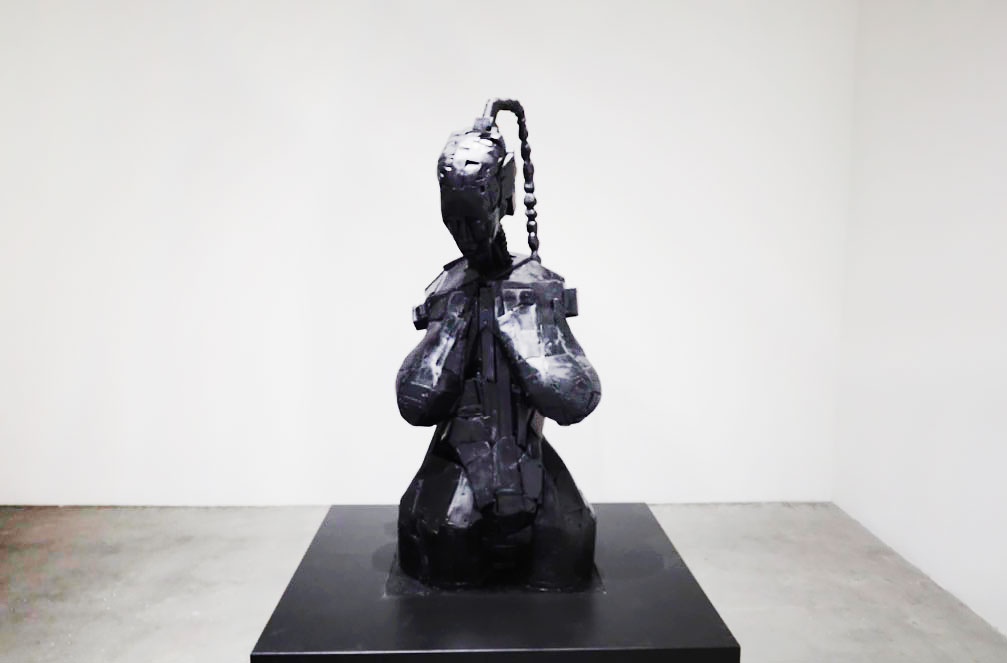
KKR: What were some of the standout artist pairings? Particular works that stood out or spoke to you?
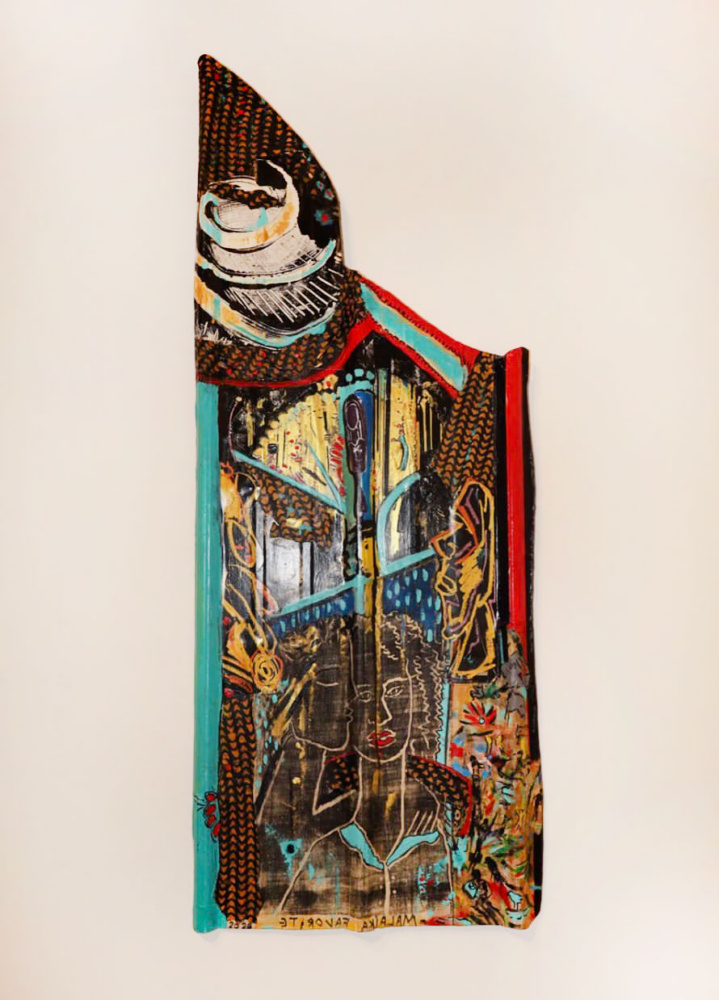
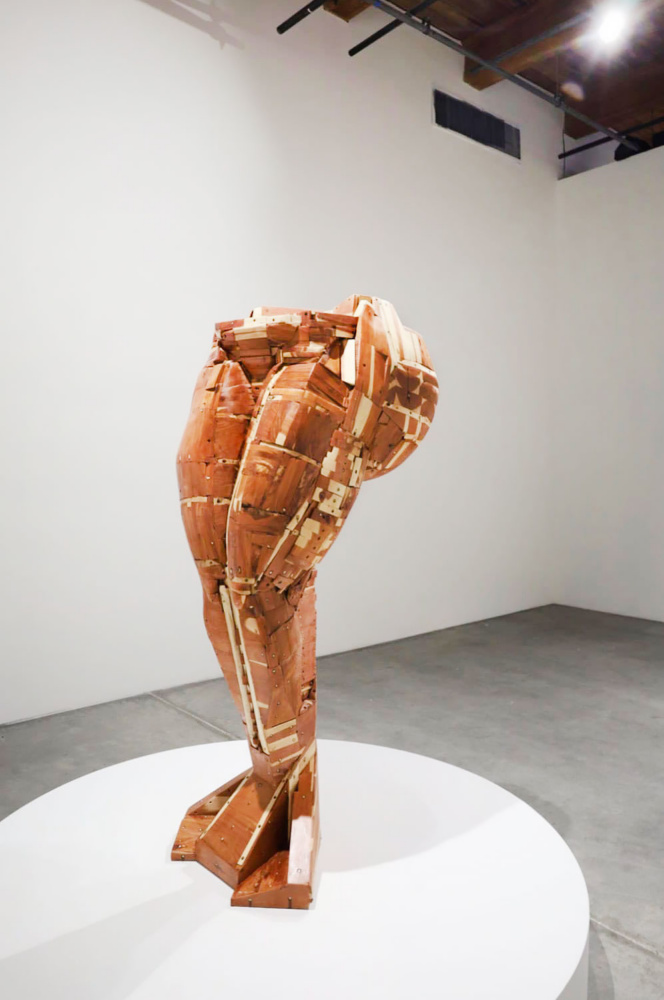
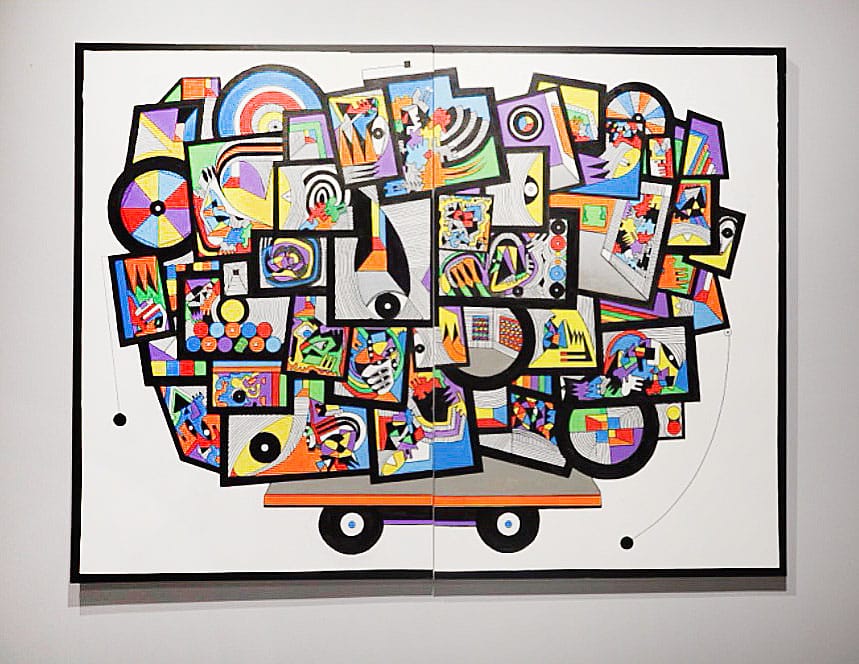
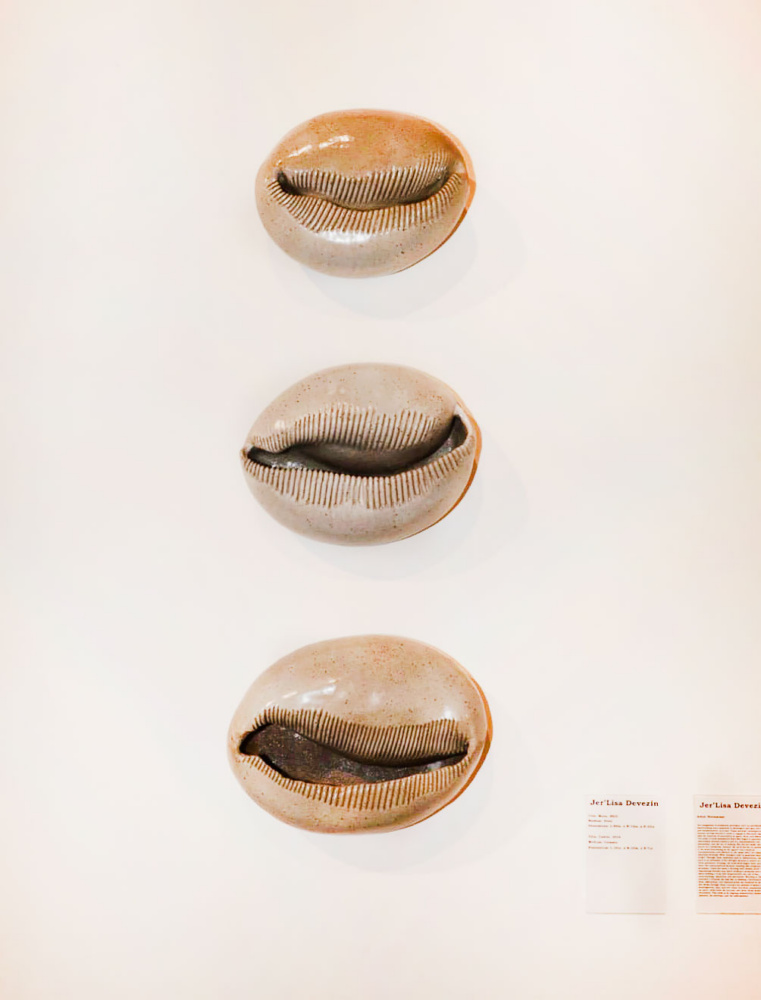
DF: Beyond the intentional pairings that visitors immediately notice, I’m especially fond of the quieter relationships hidden throughout the exhibition. One particular pairing is the pairing between Martin Payton, John Barnes, and Jer’Lisa Devezin. John Barnes was a student of Martin Payton, and Jer’Lisa Devezin was a student of John Barnes. Looking at the works, you can literally see artistic knowledge being passed from one generation to the next. There’s another secret pairing that’s not as obvious. Kerry Punzo and Malaika Favorite share the front and back of a wall. They are the only artists in this iteration of FESTIVAL/NEW/WORKS that were featured in the original Festival of New Works from the 1980s. There’s a piece by Kerry Punzo called The Warrior (1985) that was featured in the 1985 Festival of New Works.
KKR: What did you see as the show’s biggest challenge as a curator and how do you think you met that conceptually?
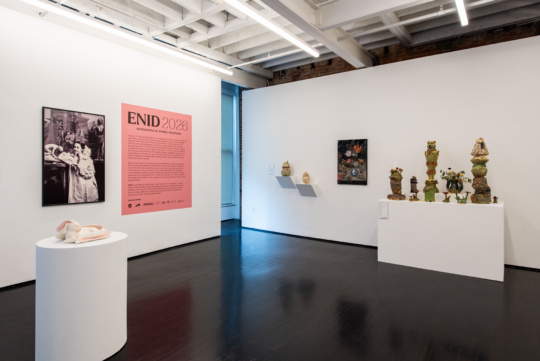
DF: The biggest challenge for this show was telling the stories. Seeing the artwork in photos and seeing the works in person will give you two totally different perspectives. This exhibition went through multiple different orientation changes before I settled on what you see now. I had so many ideas for how the pieces would interact with each other, and things changed once I actually had the physical artwork in front of me. The challenge became reimagining the relationships between the works without losing the stories I wanted them to tell. Something I did that helped to keep the stories intact was looking at the gallery as three separate spaces instead of one full gallery. By splitting the gallery, I was able to tell multiple stories. I wanted this exhibition to feel like its namesake, like a festival. Like Jazz Fest. What I like is how, at Jazz Fest ,there are multiple different stages and you can hear a variety of musicians and conversations. When thinking of how to arrange this exhibition, I decided to separate it into three different stages, allowing for different conversations to be had.
KKR: What about curation and contemporary art compels you right now? In the city and beyond?
DF: What compels me most right now is storytelling. I often say that my job isn’t simply to hang artwork, it’s to build conversations between artists, objects, and audiences. Contemporary art allows us to document who we are right now while also preserving the histories that shaped us. For example, New Orleans, which is where I am from, the West Bank to be specific, is such a rich, diverse, and robust city split by the Mississippi River. I feel like it is my duty to uplift and highlight our voices, the voices of New Orleans. Too often we hear that someone had to leave this city in order to make it or get recognition. I don’t think it has to be that way at all. It’s a give and get, a push and pull. If we give to the city, it will give back to us. As a curator, I love working with the locals, and getting to tell our stories. We carry the history of this place we call home, and it is our duty to tell that history and pass down the culture.
KKR: What are you looking forward to upcoming at CAC?
DF: l am excited to see where the CAC goes within its next fifty years. The CAC continues to strive, be prosperous, and be pivotal to the success of many artists coming out of Louisiana. It’s something I think the CAC does best; the CAC isn’t afraid to show the artists no one else is showing. The CAC doesn’t shy away from being proactive or thought provoking. I’m excited to see how the CAC will continue to push the boundaries with each and every exhibition.