Clare Hu: The Haptic Optics of Overshot Weaving
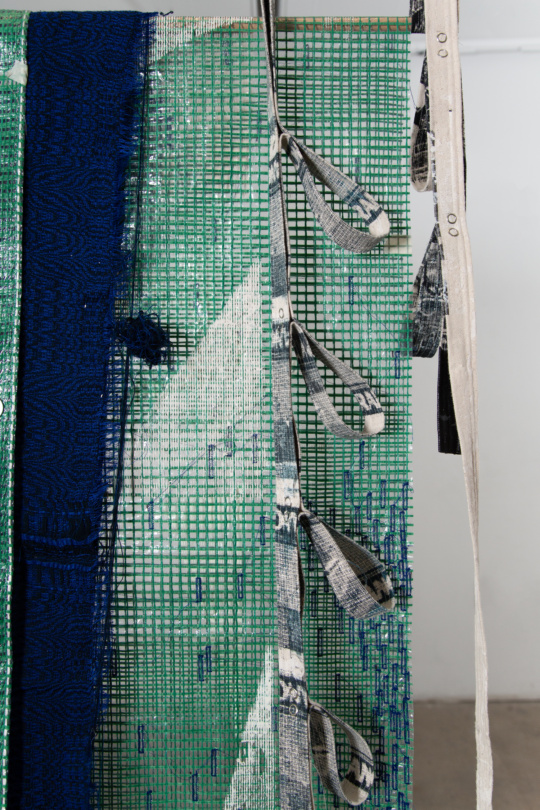
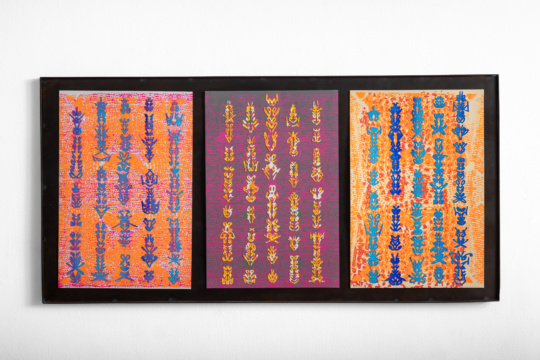
Courtney McClellan examines reproduction, materiality, and legacy in New York-based, Georgia-born artist Clare Hu’s weavings.
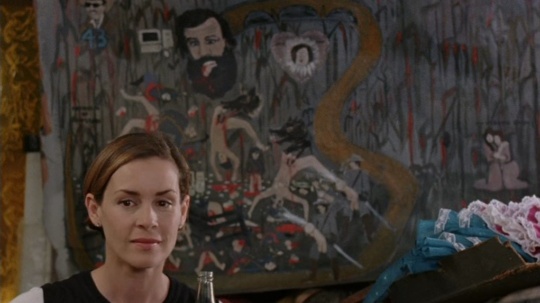
Jackson Markovic examines cultural difference and depictions of archetypal Southern art in the 2005 film Junebug.
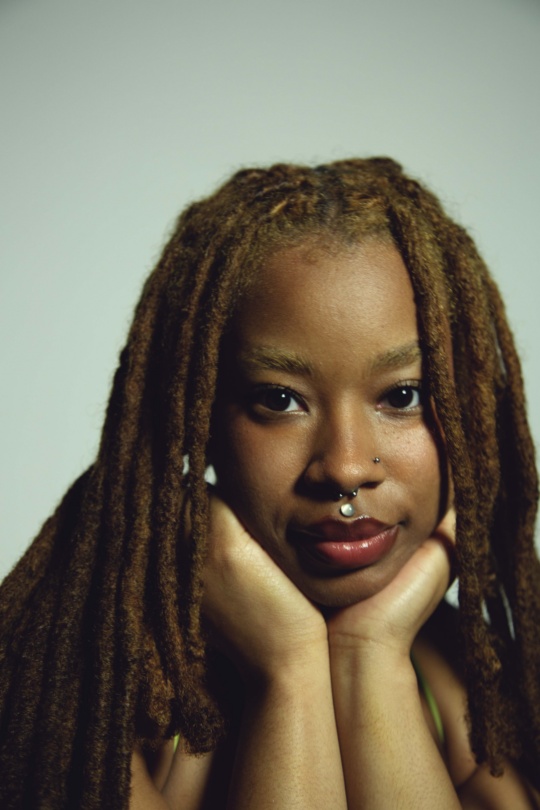
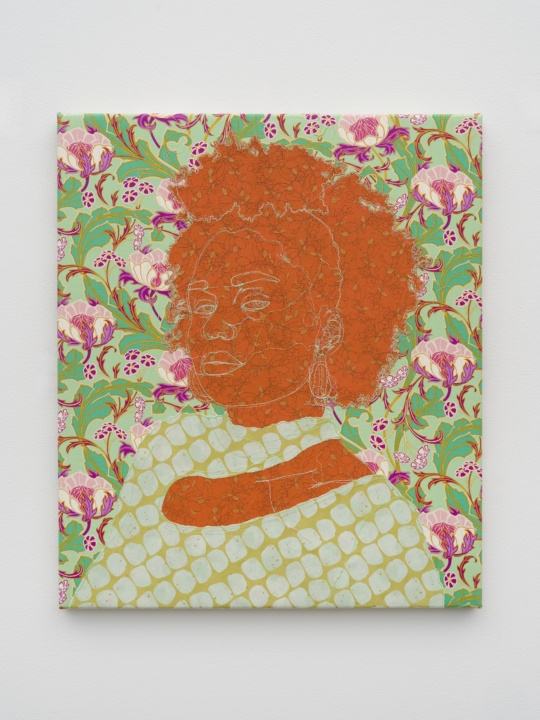
Amina Daugherty covers Columbus-based, Miami-born Akeylah Wellington’s explorations of childhood memories, belonging, and “femme-ing” of politics in her woven artworks.
Natalie Willis Whylly situates diaspora-based textile artist Gio Swaby’s Black feminist portraiture in its original Bahamian context.
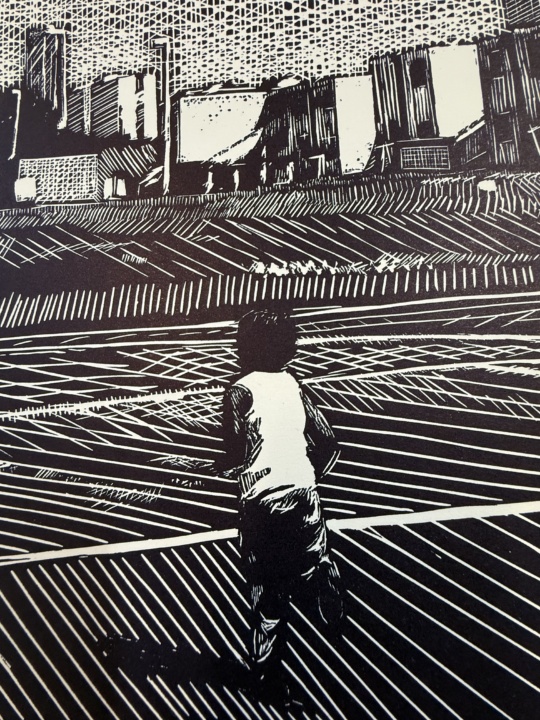
Isabella Marie Garcia analyzes privilege and representation as they relate to depictions of Lucumí and Abakuá spirituality in Cuban art and within Miami museum exhibitions featuring the work of Belkis Ayón and Elliot & Erick Jiménez.
Francess Archer Dunbar writes about Miami-based artist Reginald O’Neal’s homage to Rainbow Village, a now demolished housing development in Overtown, and the work of arts organization Commissioner.
Looking at the work of Carlos Garaicoa, and the architectural exhibition Prefabricating Solidarity at Vanderbilt University’s Engine for Art, Democracy & Justice, Alexandra Martinez traces the lived history of postcolonial Cuban architecture.
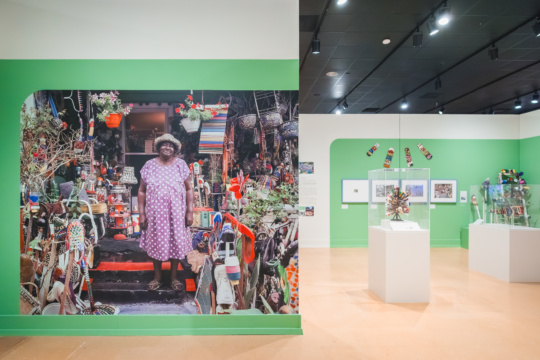
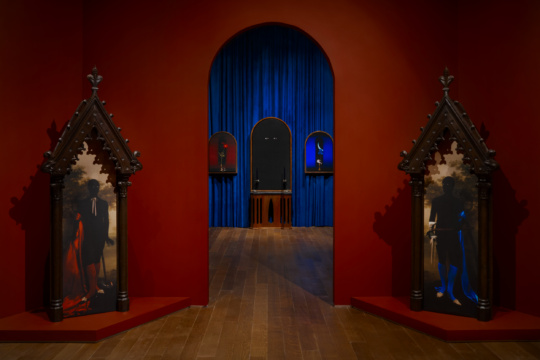
Daniel Fuller reviews Minnie Evans’ lush, mythical compositions on view in The Lost World: The Art of Minnie Evans at the High Museum of Art, Atlanta.
Alexandra Martinez highlights See It Like a Native, a home-based exhibition in the Spring Garden neighborhood of Miami that models itself as an alternative infrastructure for artists.