Location/Address: 1107 South Street, Greensboro, AL, 36744
Hours: by appointment, during events
Website: www.sumaccottage.com
Founded by: Aaron Sanders Head and Tim Higgins
Operated by: Aaron Sanders Head and Tim Higgins
Opened: 2024
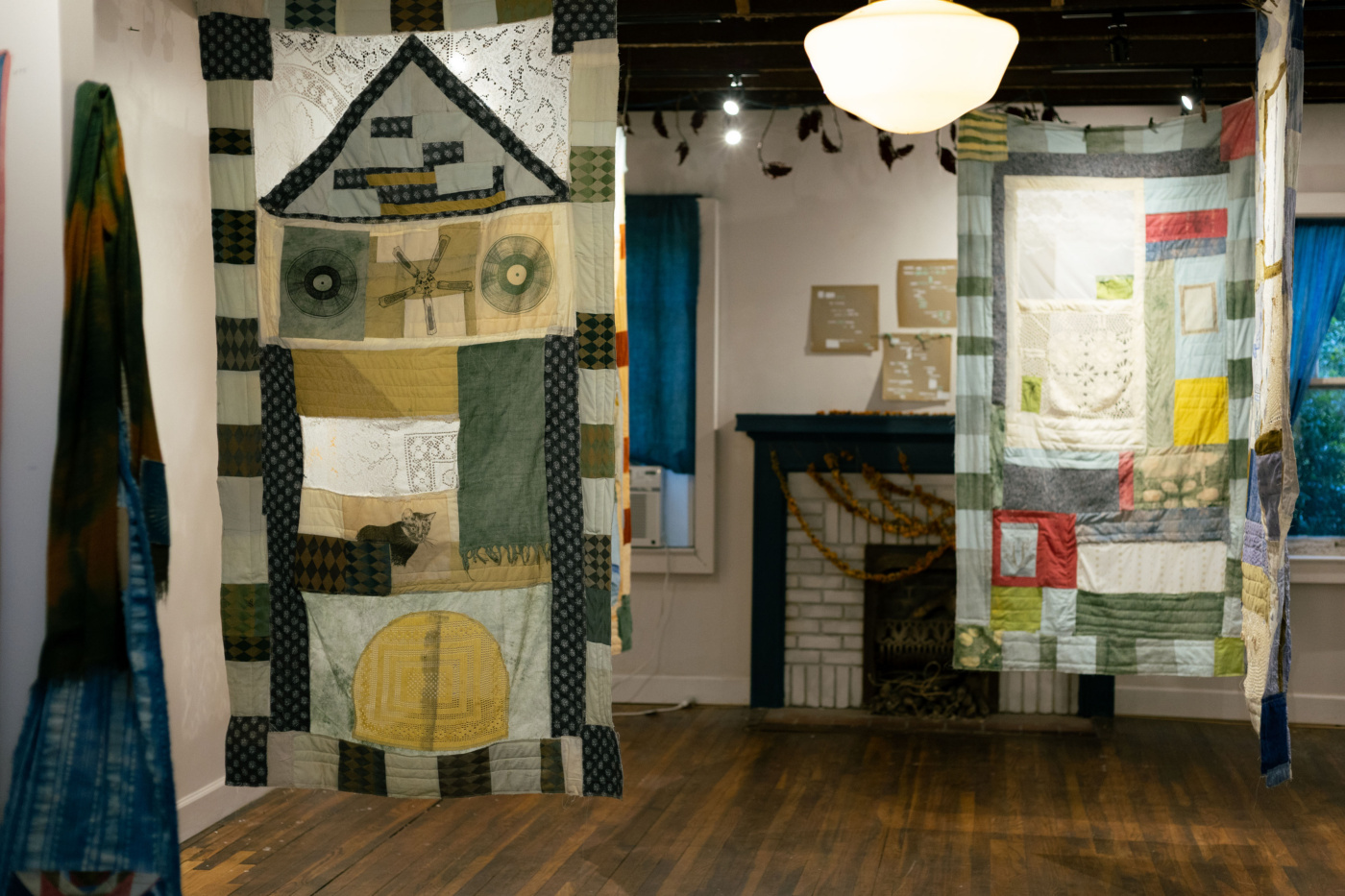
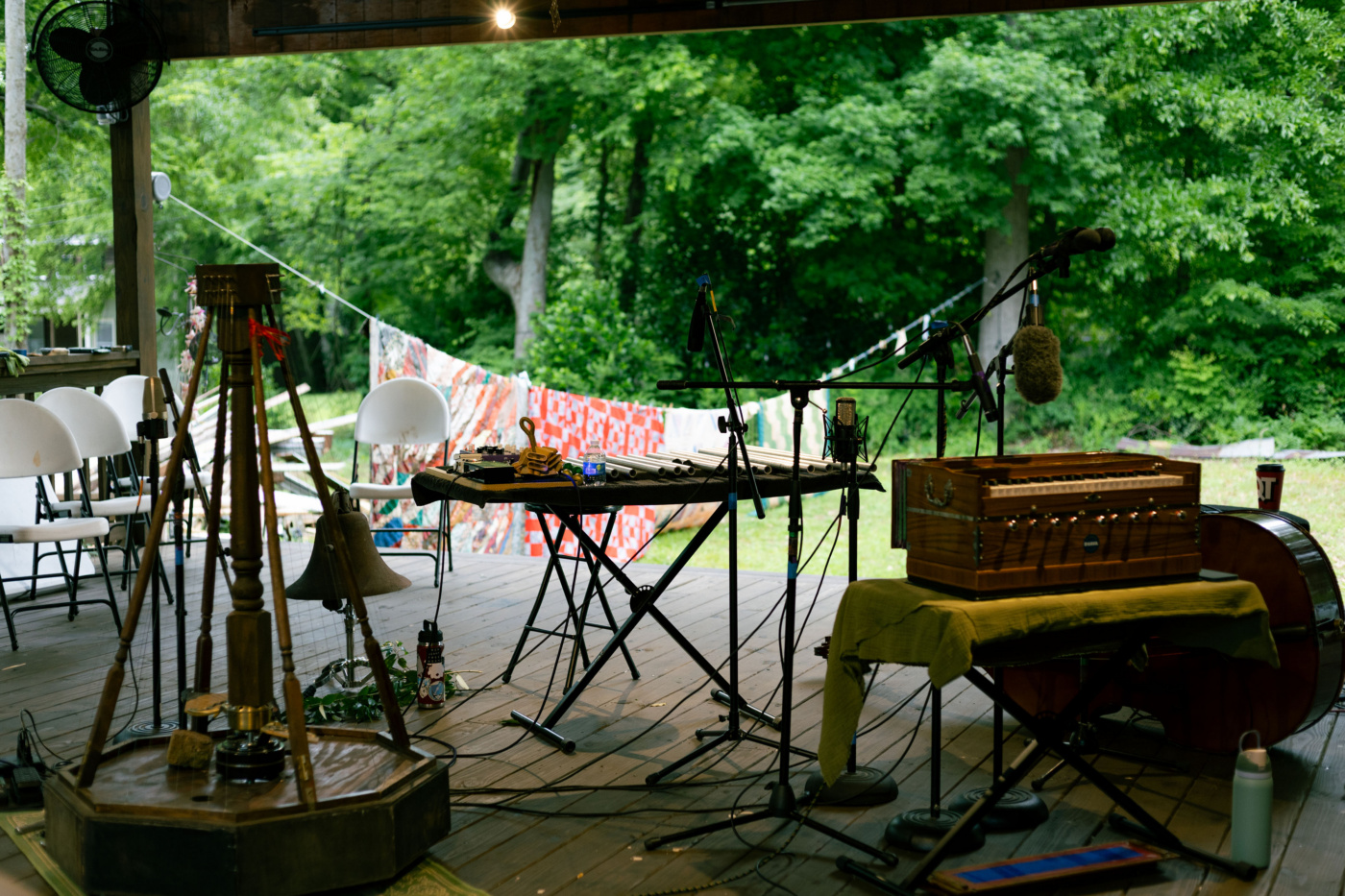
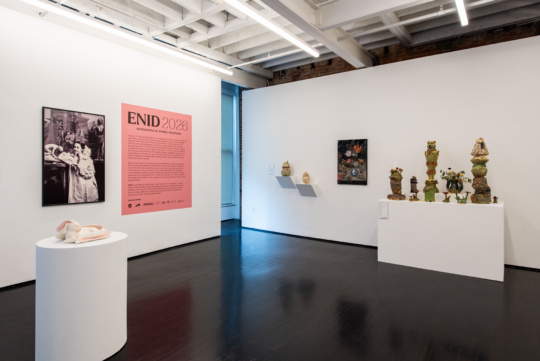
Most Recent Exhibitions: “Home Once,” a visual installation by Jenna Clark featuring a performance by Jenna Clark, Jasper Lee, Sam Herman and Ryan Brown
Isabella Marie Garcia: I’ve been actively renovating my late paternal grandfather’s home from 1952 and am fascinated by how buildings in the South are built, found, abandoned, and reinvigorated throughout generations of time and individuals. Can you speak more on the architectural history of Sumac Cottage, how you heard about it in the first place, saving it from demolition, and the renovation process to how it stands today?
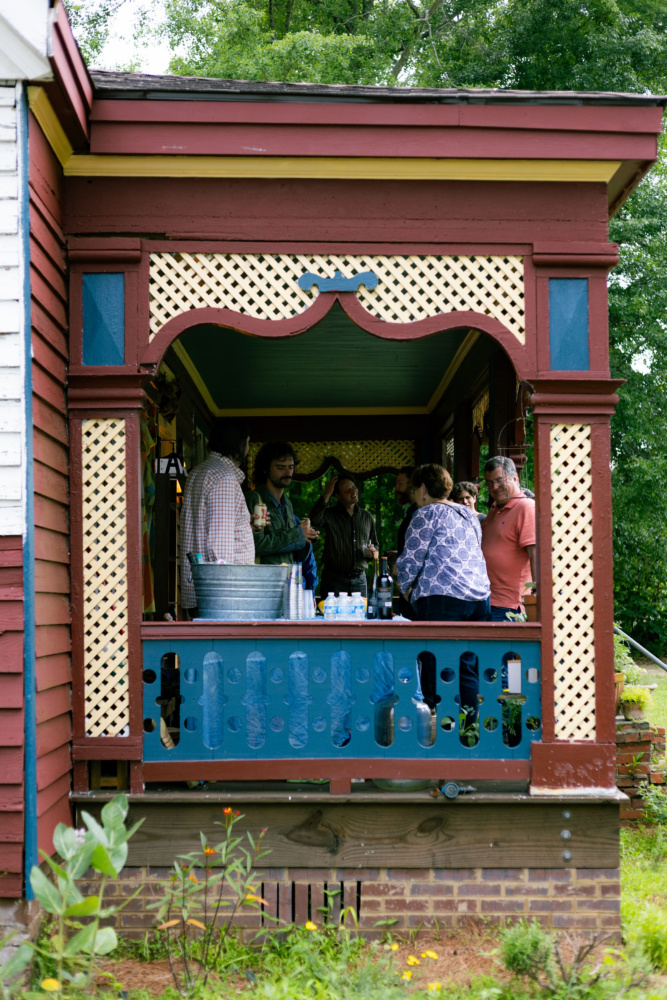
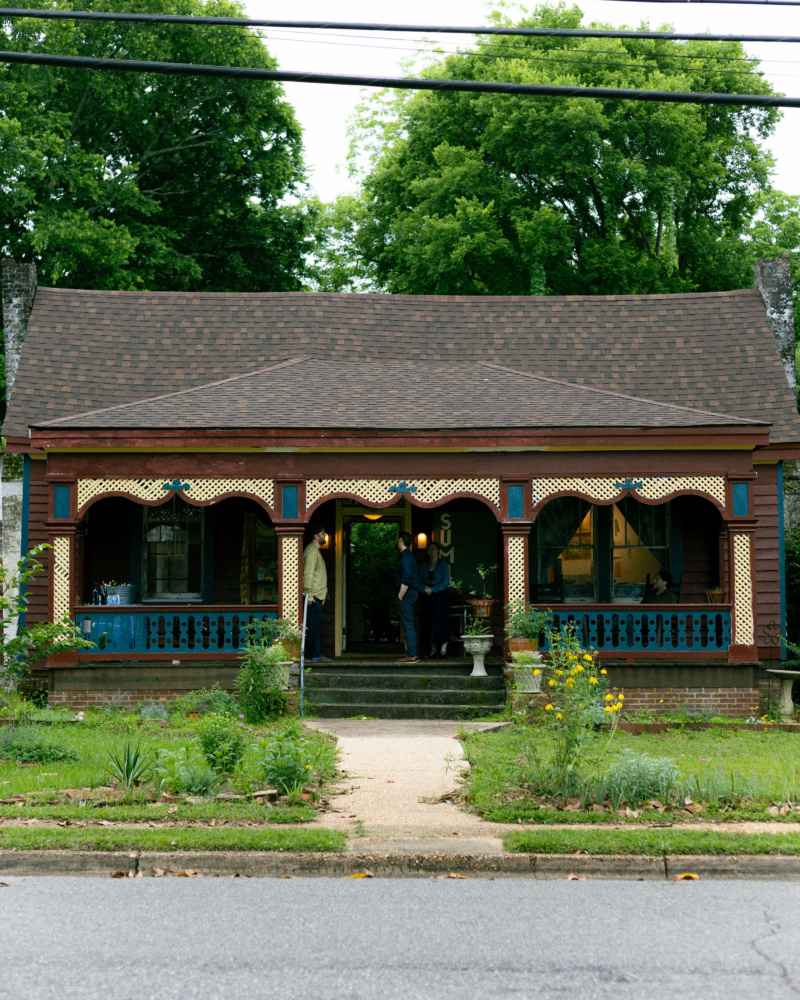
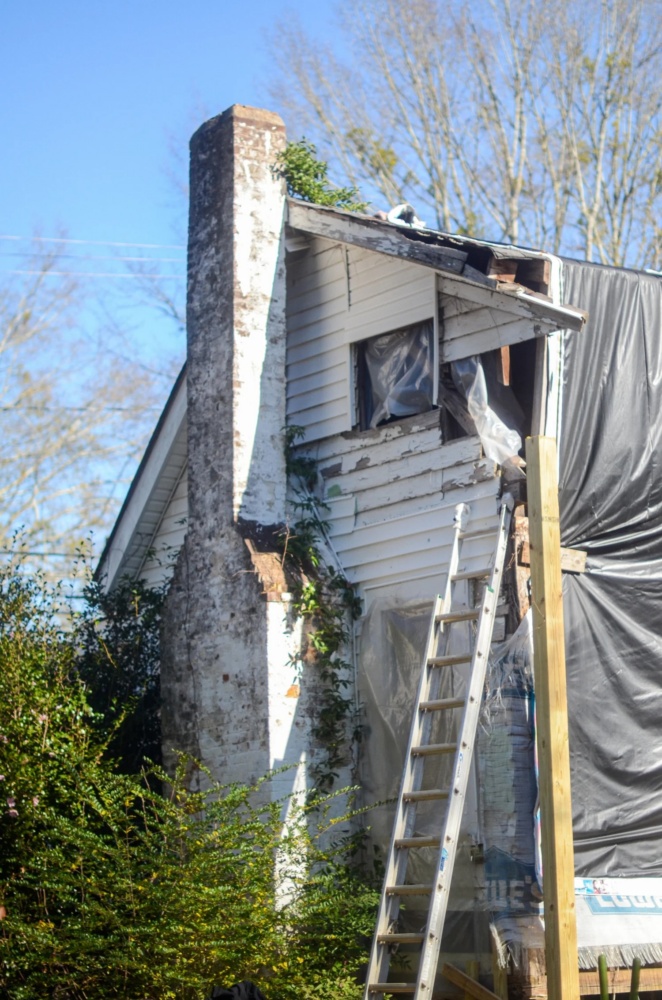
Aaron Sanders Head: The cottage dates back possibly as early as the late 1820s, initially as a one-room outbuilding to a nearby home. Over time, the structure was enlarged, and the ornate front porch was added in the 1840s. In the 1860s, it was occupied by a British gemologist named Caleb Jones, who owned a jewelry store in Greensboro and was an amateur astronomer. He even installed a (sadly no-longer existent) skylight for his telescope to observe the stars and planets more easily. The house was only lived in by a few other families since, before eventually being abandoned and purchased by a friend to save it from demolition. The structure only had three walls, with no back wall, and felt like a dollhouse—you could peer into the back and see all of the rooms opened up. Many of us had outlandish schemes and dreams for the cottage, but one night, lying in bed, it occurred to me that it would actually be a great space for community arts in our town. My partner Tim Higgins and I bought it, then spent a year finding someone brave enough to do structural work on a three-walled early 1800s structure, and then have spent our time since then coaxing the cottage back to life. Structural work has been completed, and we’ve now re-enclosed the core of the house, added a 1000 square-foot covered deck for workshops and planted dye garden.
I love the idea that the people who were in the cottage before me were creators and seekers, looking for ways to understand the world around them and to make it into something they could engage with. I can see that through line so clearly in the work that we do at the cottage now. I feel that places (houses, buildings, land) can often have a predestined meaning, and I really like the idea that our acre on South Street is meant for wonder. We carry on that tradition by hosting workshops, exhibitions, performances and community events in downtown Greensboro, Alabama.
IMG: From my understanding, Sumac Cottage is organized as a partnership between an artist and a musician. How did this partnership come about and how do you navigate the cross-discipline approach in running Sumac Cottage? Are there any benefits or challenges in the partnership you’d like to speak on since starting Sumac Cottage?
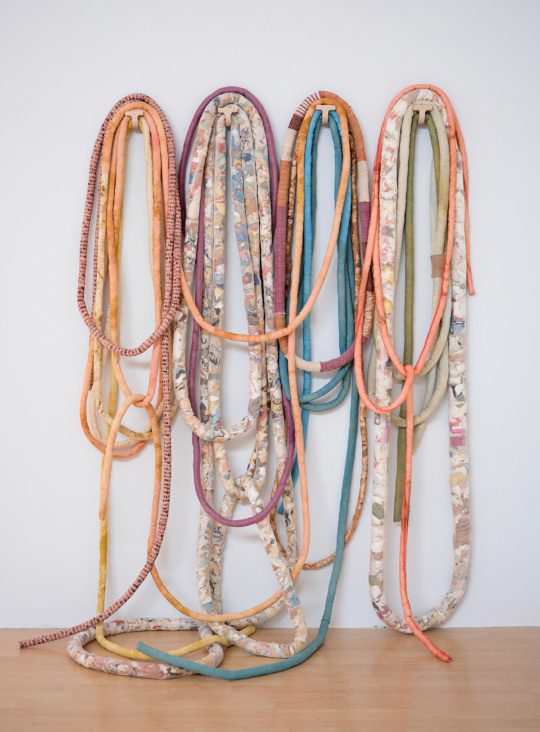
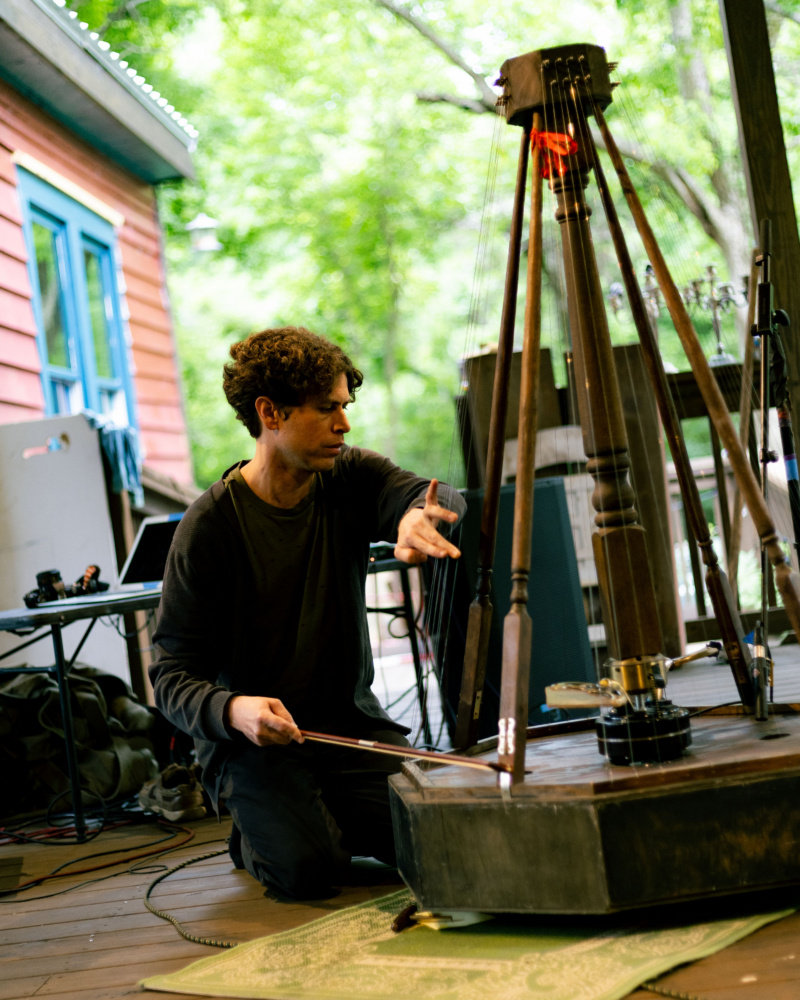
ASH: I am a visual artist, focused mostly on textiles and sculpture, and my partner, Tim Higgins, is a singer-songwriter. Our practices have always overlapped and aligned, even with us combining tours early on—me teaching natural dye and indigo workshops during the day and him playing gigs at night, traveling across the southeast. When we envisioned what Sumac Cottage would be, it only felt natural for both performing arts and visual arts to be of equal importance. We have really tried to embrace the differences between media, hosting an ekphrastic series of exhibitions and performances where the visual work on display spoke to and collaborated with the musical performance element. We tend to let our community and audience lead our programs, and those not from here are often surprised by the openness that exists for innovative arts programming in rural communities in the South.
IMG: A dye garden on the property sounds like a dream, and especially in thinking about the land and regional specificity of the space. Can you elaborate more on this dye garden and heighten my understanding of it through the five senses?
ASH: The reason I came to start using natural dyes in my work was a desire to create work that truly felt endemic to the place it was made. I knew, from the beginning, that creating a beautiful, useful garden would be one of the priorities at Sumac Cottage. The gardens are ever-evolving, with lots of space for seasonal fascination and experimentation to occur. We have three varieties of Japanese indigo, with its deep, forest green leaves and pink blooms, along with the earthy pungency of 4 varieties of marigolds and 6 types of coreopsis. This season, I got really into niche varieties of yarrow, some of which can be used for dye, so that’s a good example of how a seasonal whimsy can take over. I love that workshop materials can often be sourced from the garden, and there is an immense feeling of gratitude that comes from feeling like you are always in collaboration, never competition, with the land surrounding you. The gardens are still in their early stages, and feel like a life-long project.
IMG: There’s opportunities to teach at Sumac Cottage and I’m curious to know more about how artists have approached this opportunity, or if you also have a hand in selecting teaching artists and workshops. How does Sumac Cottage exist as an educational space and what offerings have occurred or are in the works for this component of the space?
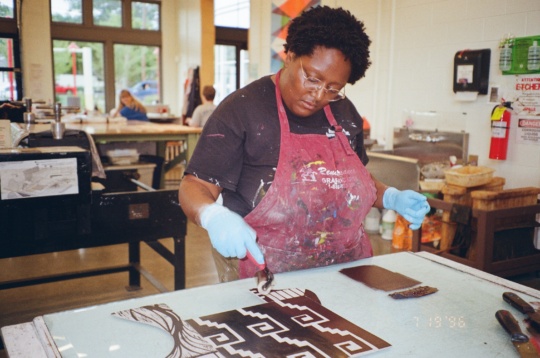
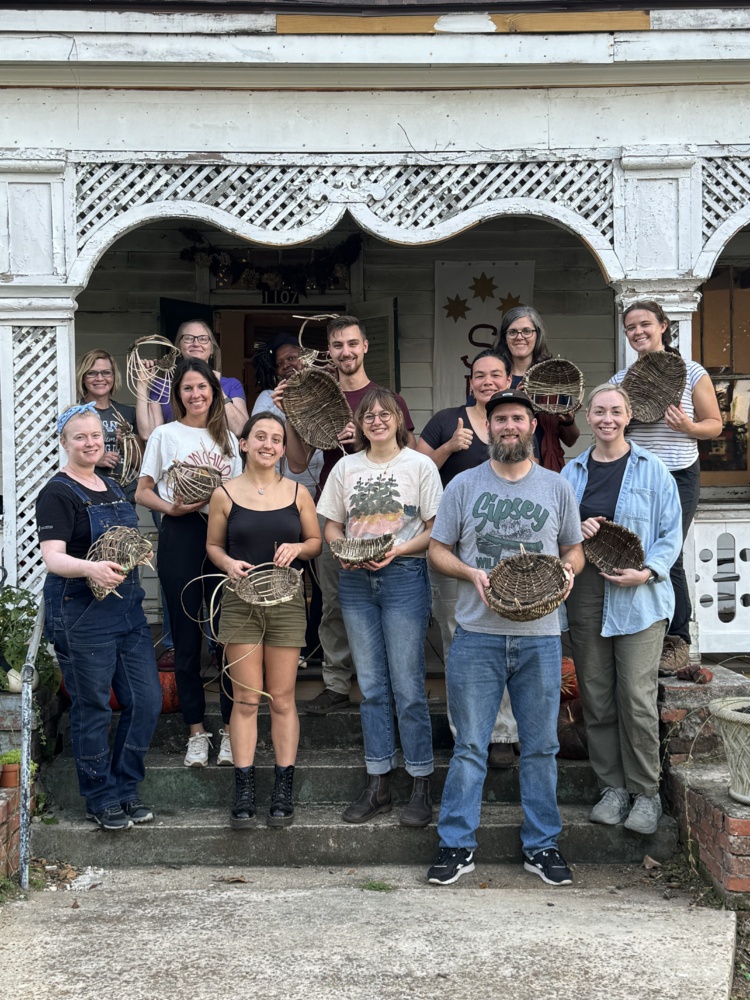
ASH: Initially workshop offerings primarily consisted of classes being led by me, mostly covering natural dyes and textile techniques, but we’ve gradually added in additions from artist friends as well. I have a background in teaching textile techniques nationwide, and was really interested in having a homebase where I could teach instead of constantly packing up and traveling to share techniques. At the cottage, I’ve taught workshops in indigo dyeing, natural dyes and mordant painting, Pine Burr quilt making (the state quilt of Alabama), cyanotypes and mending. Offerings from others have included kudzu basket weaving with Birmingham artist Sarah Bell, where we trekked out and harvested kudzu, brought it back to the cottage for processing, and then used it to weave egg baskets. Other offerings have included cameraless photography with Will Jacks, memory jugs with Kerry Leasure and anthotypes with Doug Baulos. We have slowly opened up to folks from other places to propose workshop offerings, and we are excited to offer more of those in the future. The first thing we consider when planning a workshop—or really any event—at the cottage is how it engages with the environment, and how it helps us to sink into our surroundings a bit more and to think expansively. If I feel like it meets those parameters, I’m usually willing to give it a try, and people tend to support that.
IMG: What are you excited about in supporting artists, either from and based in Greensboro, Alabama, or regionally-based, at Sumac Cottage and is there anything coming up in programming that you’d like to share?
ASH: I often tell artists that Sumac Cottage is a great place to try something that you feel passionate about but haven’t found a home for, whether it’s a body of work, a workshop or a performance. I always want there to be an air of approachable experimentation. I appreciate the flexibility of the cottage, and how it can pivot from a hand-stitched quilting workshop to an experimental music performance in a span of a few days, with me weeding the dye garden in-between. One event we’re excited about is the 6th annual Black Belt Birding Festival from July 31—August 2, hosted by Alabama Audubon and based in our small town. Sumac Cottage collaborates with Alabama Audubon each year to present arts components, including a market, a juried show, performances and more. It’s always a really beautiful weekend highlighting the ecological and creative diversity of an often overlooked area.