Location/Address: 1710 2nd Ave North, Room 412, Birmingham, AL, 35203
Hours: By appointment
Website: instagram.com/room412__
Founded by: Chandler Jones
Operated by: Chandler Jones
Opened: March 2022
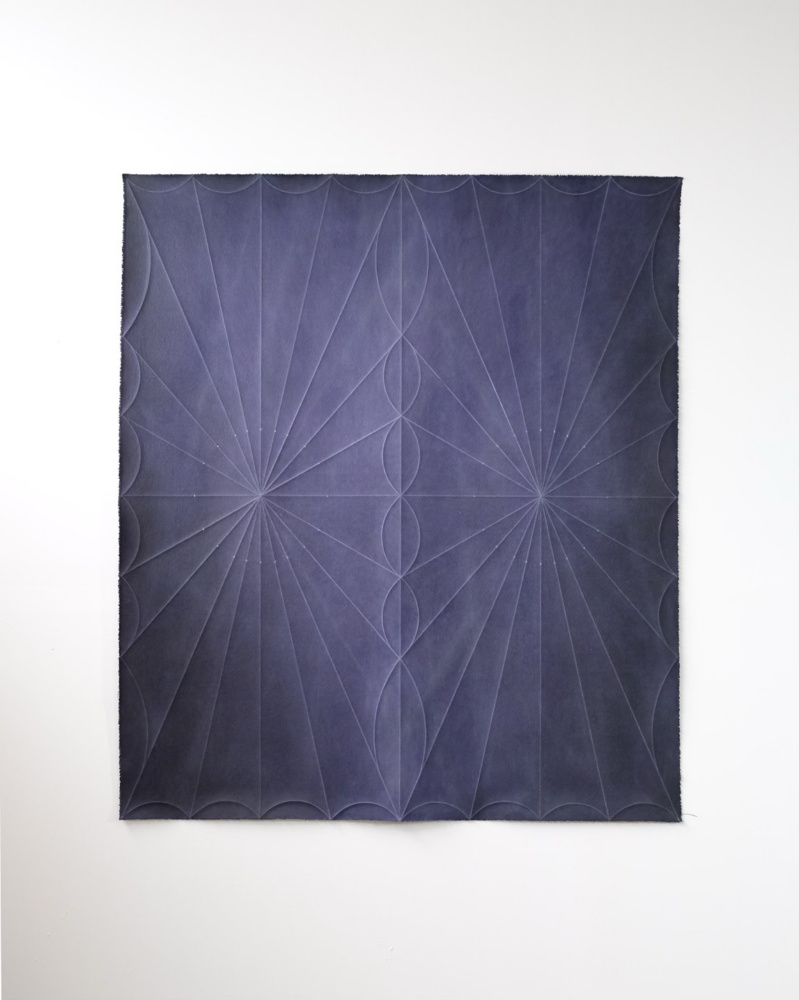
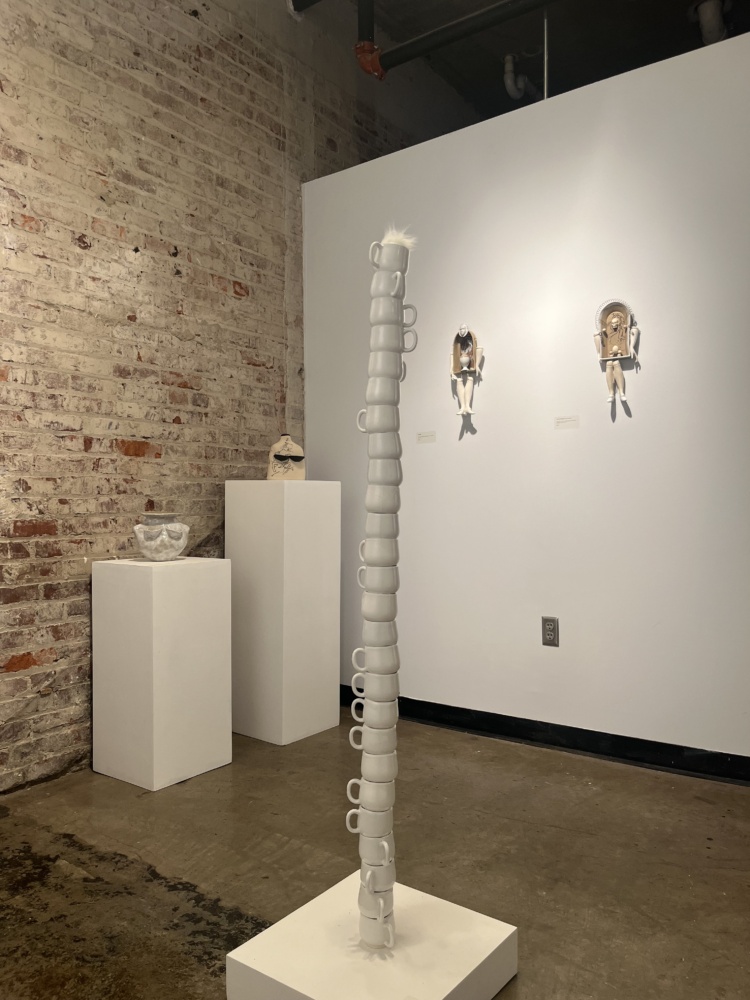
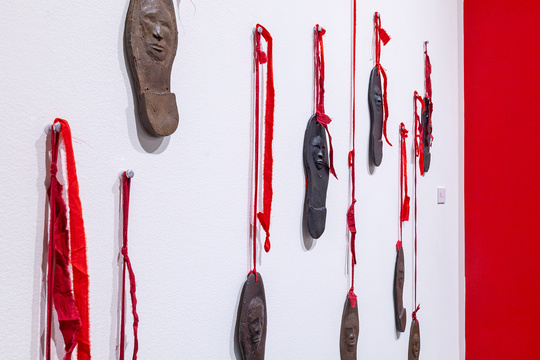
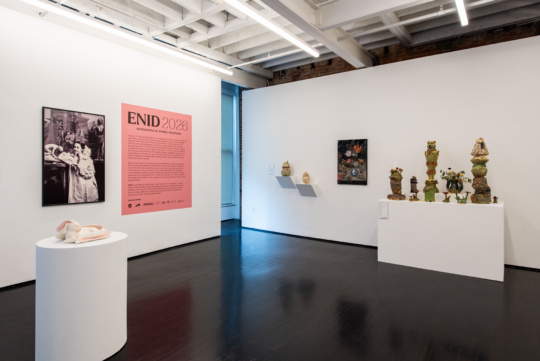
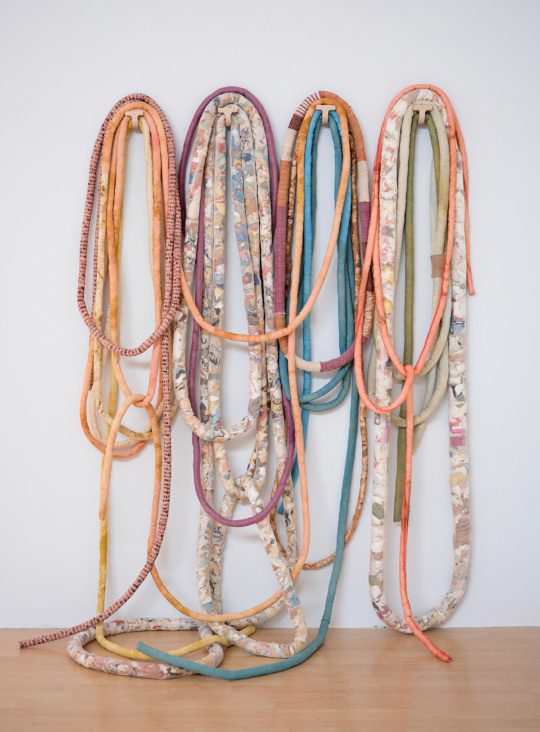
Most Recent Exhibitions: Laura Benson: The Three Faces of the Silver Moon, Kole Nichols: Sunburn, Derriann Pharr: Water of the Womb.
Upcoming Exhibitions: Darien Malone, Sydney A. Foster, Annieo Klaas
Isabella Marie Garcia: I’d love to learn more about your interest in starting Room 412 in 2022 and your respective practice then and into 2026. What is your practice about and what motivated you to start Room 412 in Birmingham?
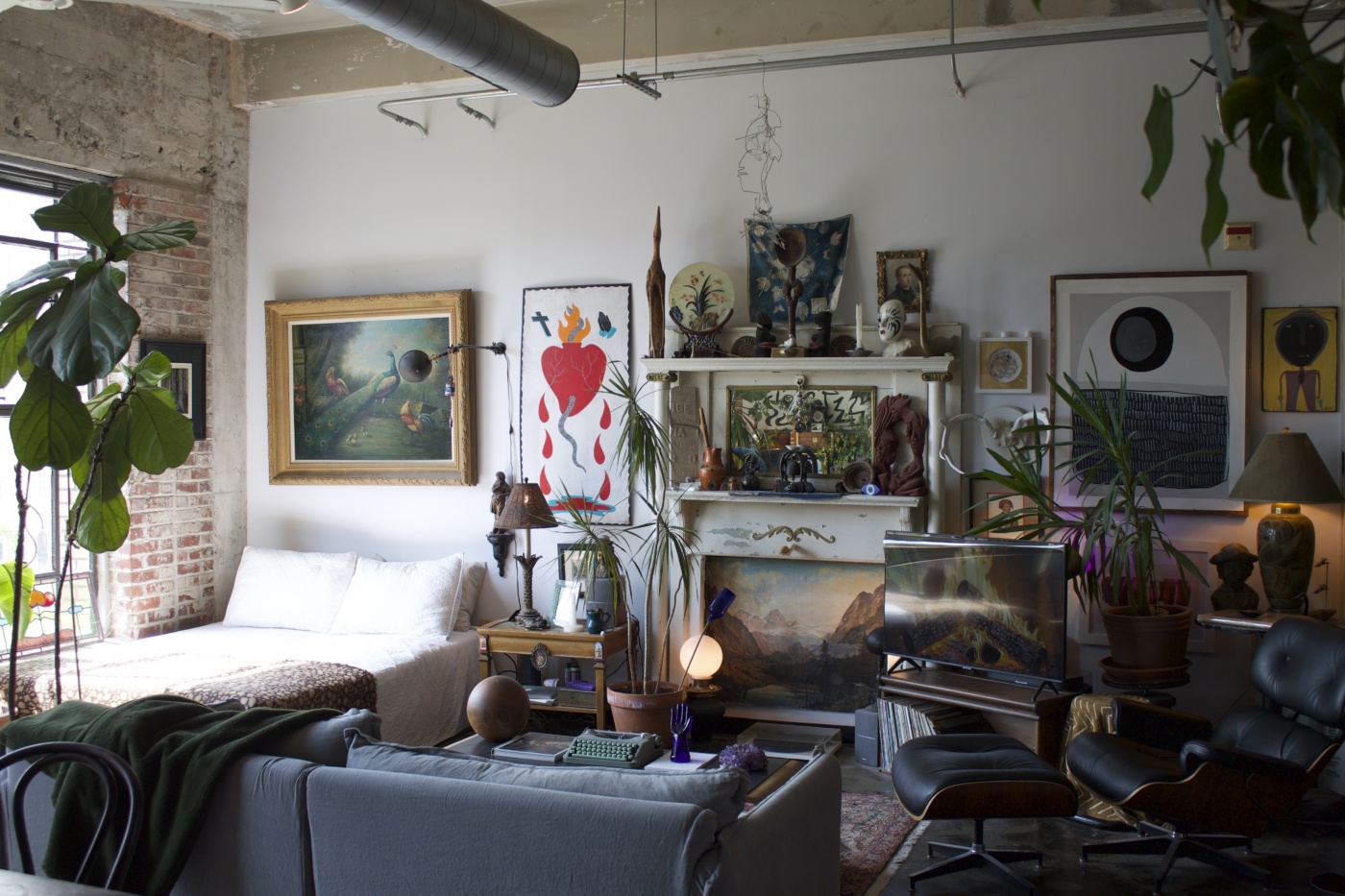
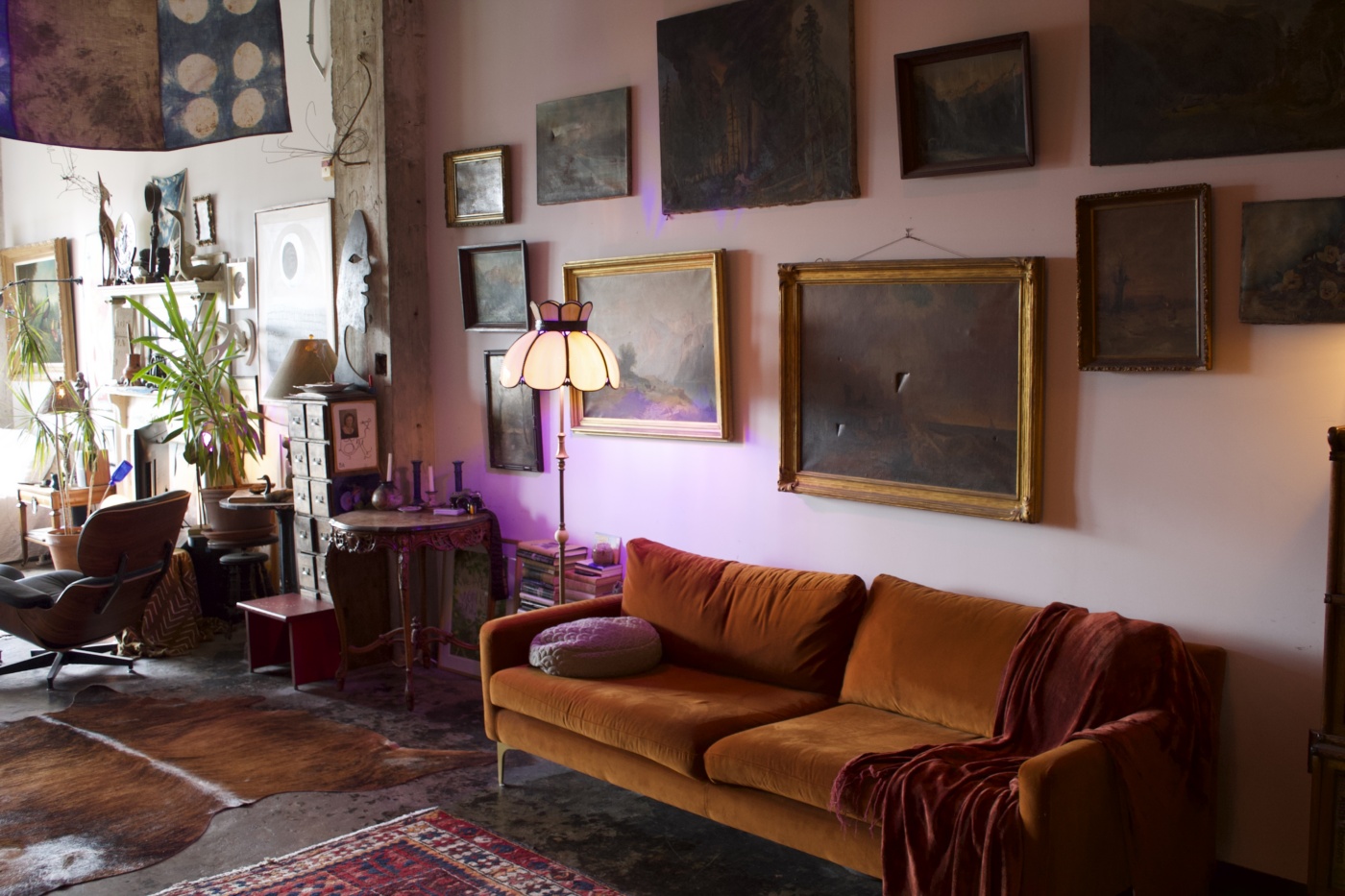
Chandler Jones: I’ve always felt the need to create spaces that are both visually compelling and energetically alive. Places where people can step in and feel something shift. When I moved into the loft in the summer of 2021, I felt that this space had that potential. There was an extra room that was the perfect size for a small intimate gallery. I decided I’d like to use this space to help showcase Alabama’s range of artists while also creating a gathering place for the community. Around that same time, I had taken a trip to New York and visited the newly renovated Chelsea Hotel. The history and soul of the place left a strong impression on me. I became interested in the idea of a space that felt immersive. Almost like stepping into some kind of mystical hotel room, somewhere between exhibition and experience.
My own practice as a musician is deeply tied to environment and collaboration. I’m most inspired when I’m around other artists and when there’s a sense of shared momentum. Room 412 grew out of that need for connection. I started by hosting small opening parties and over time it evolved into something more intentional.
IMG: How does Birmingham as a city and community of artists feel to you in running Room 412? How would you describe the arts ecosystem of Birmingham to an individual who has never visited and how have you experienced working with artists since beginning Room 412?
CJ: Birmingham feels like a magical place to me. There’s a tangible depth here. It has a vibrant and complicated history that artists are constantly responding to. The past gives the work being made here a kind of weight and resonance. There’s a real sense of place. There’s also no shortage of incredibly talented people making thoughtful work in Birmingham and in smaller communities across Alabama. It feels like there’s a momentum to the arts ecosystem here that is supportive and interconnected. Working with artists has been one of the most rewarding parts of it. They seem to value the intimacy of the space. Because it’s not a traditional gallery, the conversations around the work can feel more personal. It’s laid back and invites a different kind of engagement.
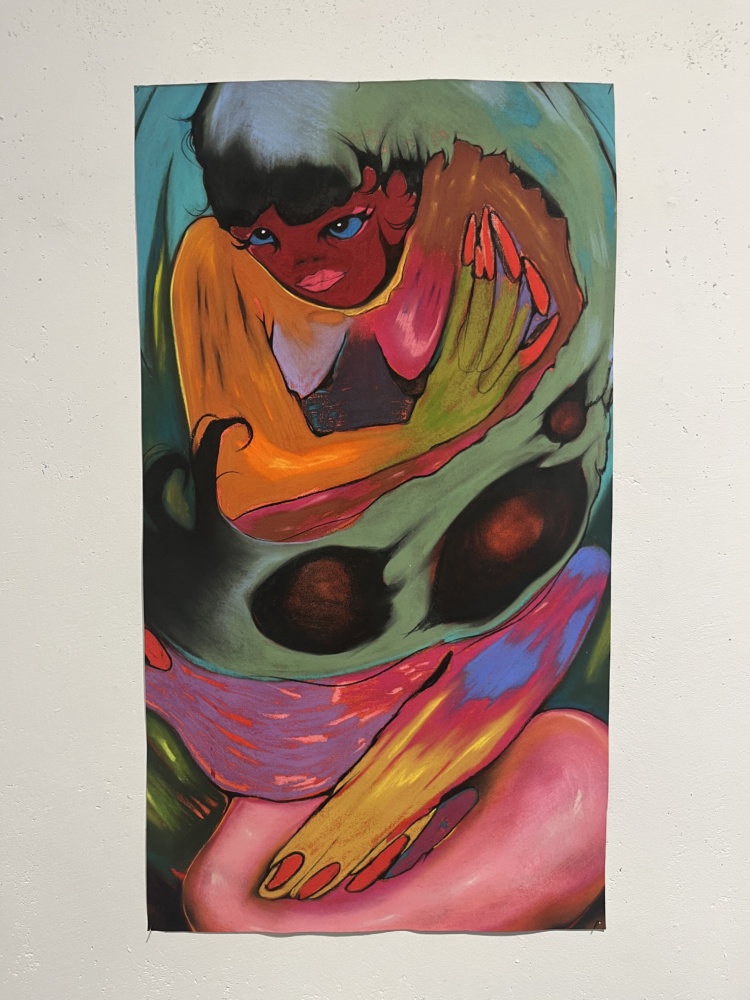
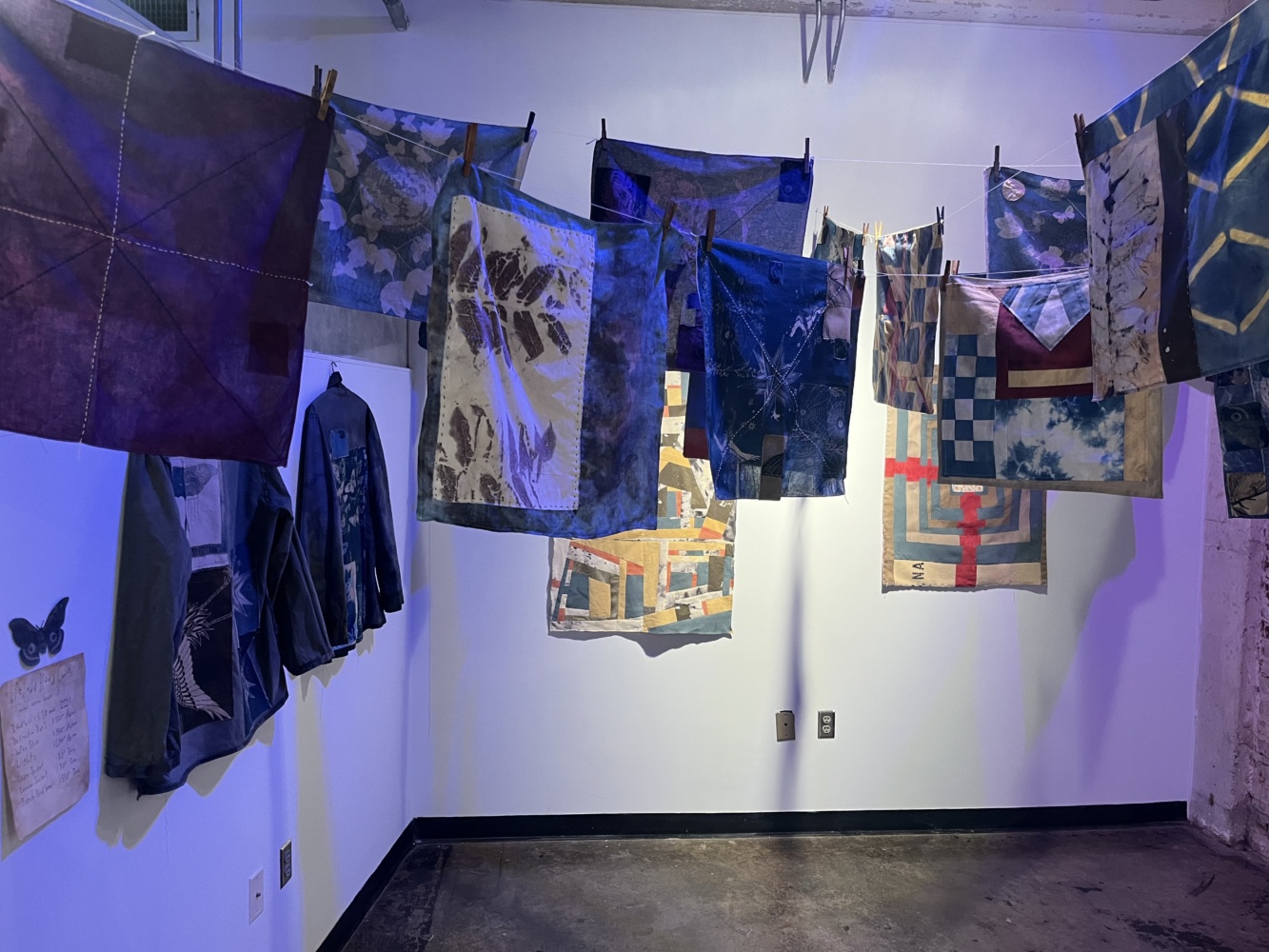
IMG: Talk to me about the previous exhibitions and programming. How does Room 412 go about selecting what artists to feature in the space?
CJ: When it comes to programming, I’m drawn to artists whose work genuinely moves me and in some way, reflects the contemporary visual landscape of living in Alabama. I’m interested in how artists here work with the sense of place. Its history, tensions, and beauty. I also think a lot about lineage. The work of artists like Mose Tolliver, Thornton Dial, Lonnie Holley, and the Gee’s Bend Quilters has had a lasting impact on the cultural fabric of the state. I’m interested in how that tradition can continue to inspire a newer generation of artists. Spirituality is another throughline I find myself being drawn to in people’s work. The South has such a distinct spiritual texture, and I’m curious about how different forms of belief, ritual, and mysticism shape the work being made here. Because I live with the artwork during each exhibition, the selection process is also personal. These pieces become part of my daily environment.
I typically host four to five exhibitions a year. Each one opens with a gathering and closes with an artist talk and conversation. I really love the artist talk. It lets the artist really flesh out the context from where the work was created and it gives people a chance to engage more deeply.
IMG: Are there any fond memories or challenges you can speak on in having run Room 412 for four years now? Any specific artists, works, or exhibitions that you want to highlight or share as especially poignant or impactful for you as founder and curator?
CJ: In November 2025, artists Renee Hanan Plata and William Dooley took over the space with an exhibition that celebrated a kind of new-era Dada. Alongside their colorful abstract paintings and sculptures, professional tango dancers moved through the crowd and into the hallways. People showed up in tutus and bright colored suits. There was a special energy that night. Toward the end of the evening, artist Amy Pleasant projected a list of words and phrases that had been deemed “inappropriate” or “banned” in political discourse by the current administration. Words like “queer,” “multicultural,” and “Native American.” Everyone in attendance said the words aloud together. It was a night celebrating our community, art, and using joy as an act of resistance against hatred.
Another exhibition that stays with me was by Tara Lee Stallworth, which celebrated the work of local jazz trumpet icon Daniel José Carr. Birmingham has such a rich jazz history, and José has been instrumental in carrying that tradition forward. The show featured photographs of him performing, and he closed the exhibition with an intimate live set with trumpet, piano, and upright bass. Everyone was so present in the audience. It was wonderful.
IMG: What plans or future programming are you excited to share and speak more about, and are there any long-term goals you have for Room 412?
CJ: I’m really excited about the possibility of expanding what Room 412 can be. In the next few years, I’d love to transition out of living in the loft and dedicate the entire space to the gallery. I’m especially interested in incorporating more musical performances, dance, and interdisciplinary work that activates the space in different ways. Larger-scale installations are also something I’d like to explore. I’d like to give artists the opportunity to really transform the whole environment and allow them the space to really experiment and take risks.